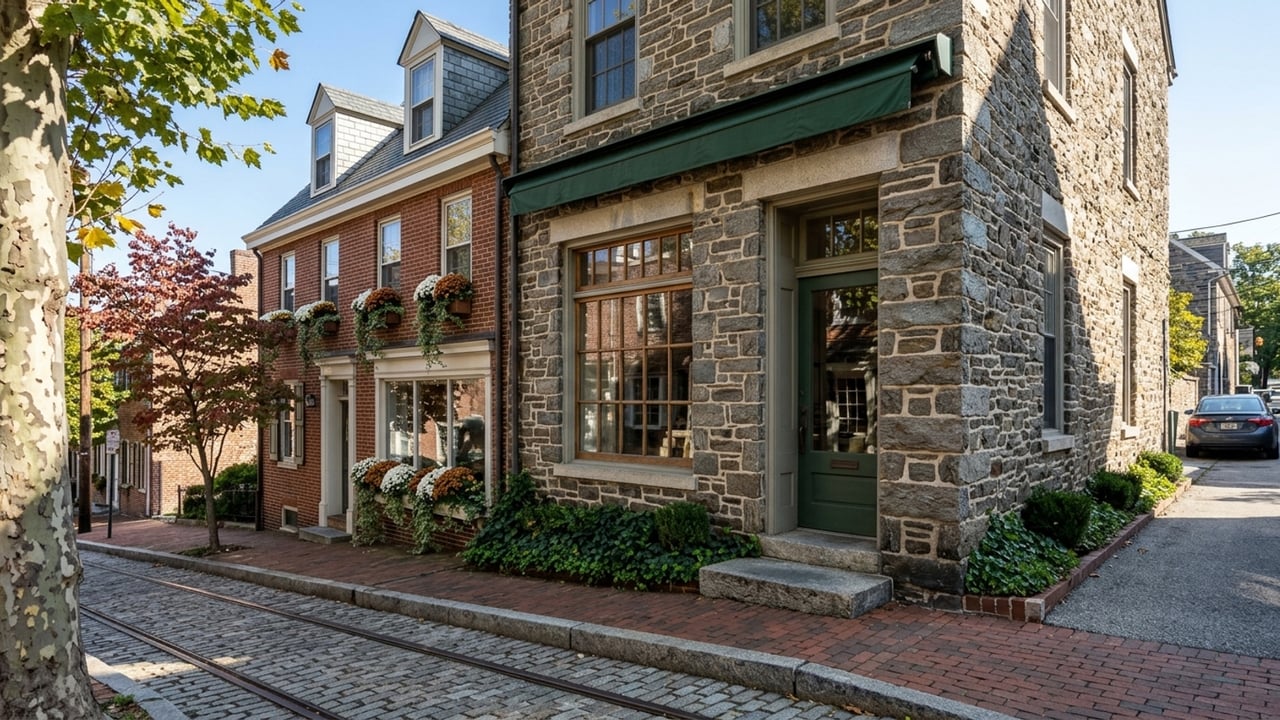
Chestnut Hill sits in the northwest corner of Philadelphia, with historic stone architecture, a walkable commercial strip, and deep woods all within reach of each other. Most visitors come to walk, whether that means browsing storefronts on the Avenue or putting in miles on the trails.
A trip here comes down to two decisions: how you want to spend your time, and how much you want to spend. You can fill a whole weekend without buying a single admission ticket, or you can pay for planned gardens and museums if that's more your style.
Key Takeaway
Start with a walk down Germantown Avenue, Chestnut Hill's main street, and a stretch of Forbidden Drive in Wissahickon Valley Park. Both cost nothing, and together they show you the neighborhood's two sides: shops and woods. If you'd rather pay for a planned garden visit, swap the trail for Morris Arboretum & Gardens. If the visit is a trial run for moving here, townhouses are the lower-cost way in, at a median $539,984 over the 90 days ending Oct. 31, 2026 (based on 21 sales).
Who This Guide Is For
This guide is for anyone planning a day or weekend in Chestnut Hill and deciding how to build it around the Avenue, the trails, or the gardens, and possibly whether the neighborhood is worth a move.
How Chestnut Hill's Things to Do Are Laid Out
Chestnut Hill's best things to do cost little or nothing, so the real price of enjoying them is often just living within reach. Most of the best stops sit along two lines: the Germantown Avenue commercial strip and the Wissahickon woods. Paid stops like Morris Arboretum & Gardens and Woodmere Art Museum are the upgrades.
Before you plan the day, ask yourself a few questions. Is it built around browsing and eating, or around a long walk outdoors? Browsing and eating points to the Avenue; a long walk points to Wissahickon Valley Park and Forbidden Drive. Do you want to keep things free, or will you pay admission for a ticketed stop? Free means the Avenue, Forbidden Drive, and Pastorius Park. Paid means Morris Arboretum & Gardens or Woodmere Art Museum.
Then consider how you are arriving, by train or by car, and if you are here to test a potential move. If you are, it's worth knowing that living near these places costs far less in a townhouse. Townhouses sell for roughly half the $1,111,125 single-family median (based on 14 sales over the 90 days ending Oct. 31, 2026). Per square foot, the two are close, $370 versus $400, so the saving mostly comes from buying less space. You can review the pros and cons of living in Chestnut Hill to see if the broader area fits your needs.
Things to Do on Germantown Avenue
Germantown Avenue is the main street and the commercial center of Chestnut Hill. This long stretch gives you a walkable half-day of shopping, eating, and looking at art without moving a car once.
You can organize your Avenue stops by what you want to trade: browsing for free versus paying for a museum. The street itself provides the backdrop, and you can move easily from a morning coffee walk to an afternoon indoors.
Shops and Galleries on Germantown Avenue
Germantown Avenue through Chestnut Hill is still paved in Belgian block, which visitors often mistake for cobblestone. The street retains an old trolley-era character, lined with independent shops and galleries along the hill. You can spend hours walking up and down the blocks without paying a dollar in admission.
One practical note: independent shops set their own hours, and some close early or on certain weekdays. If there's a specific shop you're making the trip for, check its hours before you go.
Restaurants and Evenings on Germantown Avenue
The Avenue in the evening shifts into dinner and a walk territory. There are plenty of sit-down restaurants and casual spots, so it's a natural place to end your day.
What you don't get is a late-night scene. Evenings here center on dinner rather than anything that runs past it, so confirm kitchen closing times if you're planning to eat late.
Woodmere Art Museum
Woodmere Art Museum focuses on Philadelphia-area art and is a solid rainy-day option. It sits on Germantown Avenue itself at 9201 and 9001 Germantown Ave, so it slots right between shopping stops without requiring a car. Hours are Wednesday through Sunday, 10 am to 5 pm, and admission is free on Sundays.
It's not open every day, so check the museum's current schedule before you build a morning around it.
Outdoor Things to Do in Chestnut Hill
Chestnut Hill gives you immediate access to deep woods, a ticketed garden, and a small neighborhood green. These spaces let you trade the pavement for dirt paths or maintained garden walkways.
If you're ordering your outdoor stops by cost, start with the free trails, move to the paid garden, and finish at the neighborhood park. Each offers a different level of maintenance and a different crowd.
Wissahickon Valley Park and Forbidden Drive
Wissahickon Valley Park covers over 2,000 acres with more than 50 miles of trails. The headline free activity is Forbidden Drive, a gravel road stretching over 5 miles through the center of the park. It got its name because cars were banned from it in 1921 after a decades-long protest by park users.
Today, walkers, runners, cyclists, and horseback riders share the wide path. Partway along sits Valley Green Inn, a historic mid-19th-century inn serving lunch, dinner, and Sunday brunch.
The paths down from the Hill are steep and can be muddy, and lots near popular access points fill on weekends. Arrive early, or walk in from the Avenue.
Morris Arboretum & Gardens
Morris Arboretum & Gardens is the official arboretum of the Commonwealth of Pennsylvania, run by the University of Pennsylvania. It offers a planned garden day with a tree collection, a canopy walk, and seasonal displays. The gardens are open daily, with seasonal hours: 10 am to 4 pm from November through March, and longer hours from April through October.
During the January and February winter discount period, on-site general admission is $14 for adults, $13 for seniors, and $8 for youth, with online tickets costing $2 less. It sits at the neighborhood's edge, not on the Avenue, so check the distance on a map before assuming you can walk it between other stops.
Pastorius Park
Pastorius Park is a quiet neighborhood green that earns its destination status on summer concert evenings. The Chestnut Hill Community Association hosts a free summer concert series here, which for 2026 runs on Wednesdays from June 17 through July 29, generally starting at 7:30 pm.
Outside concert season, it's a small local park. Worth a stop, not worth the trip on its own.
Architecture and History in Chestnut Hill
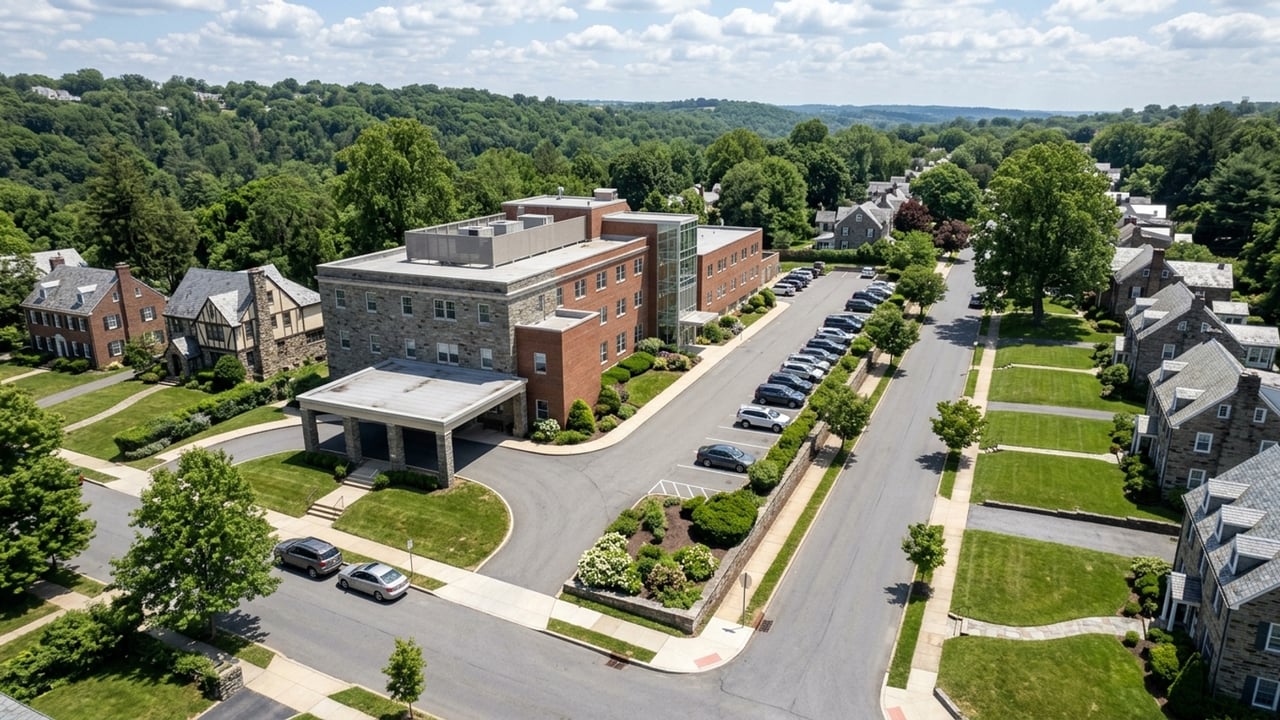
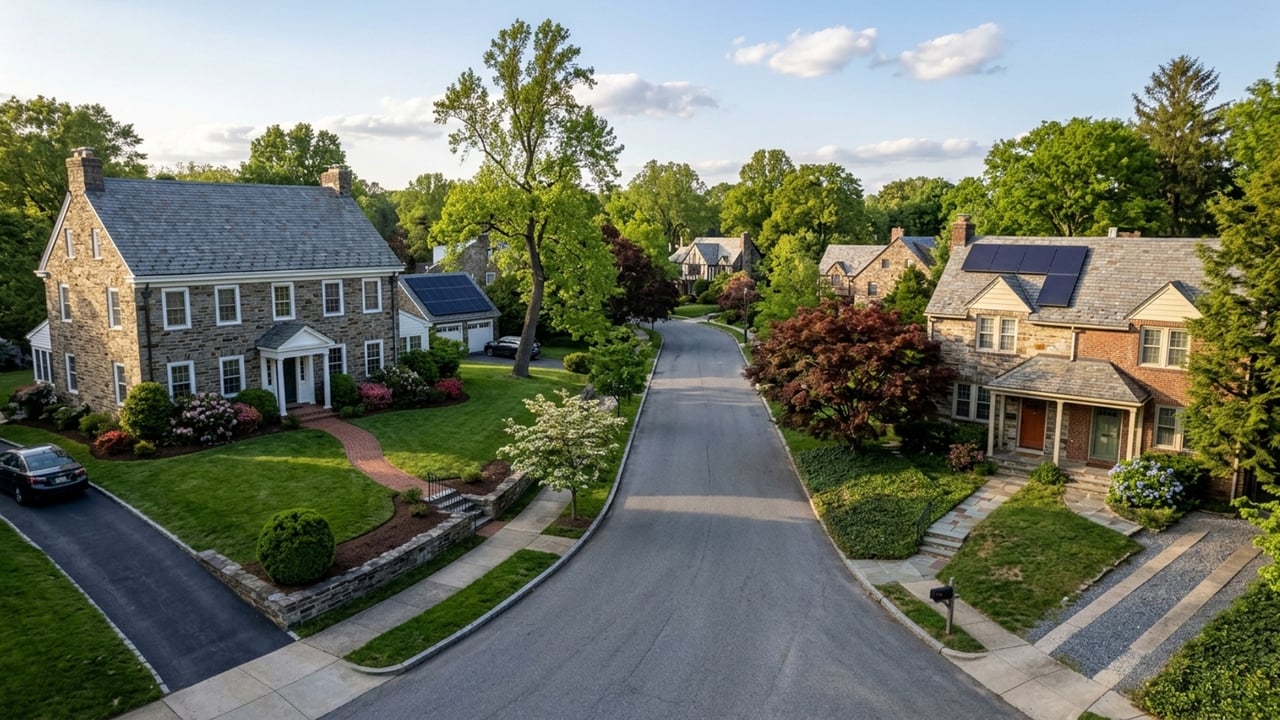
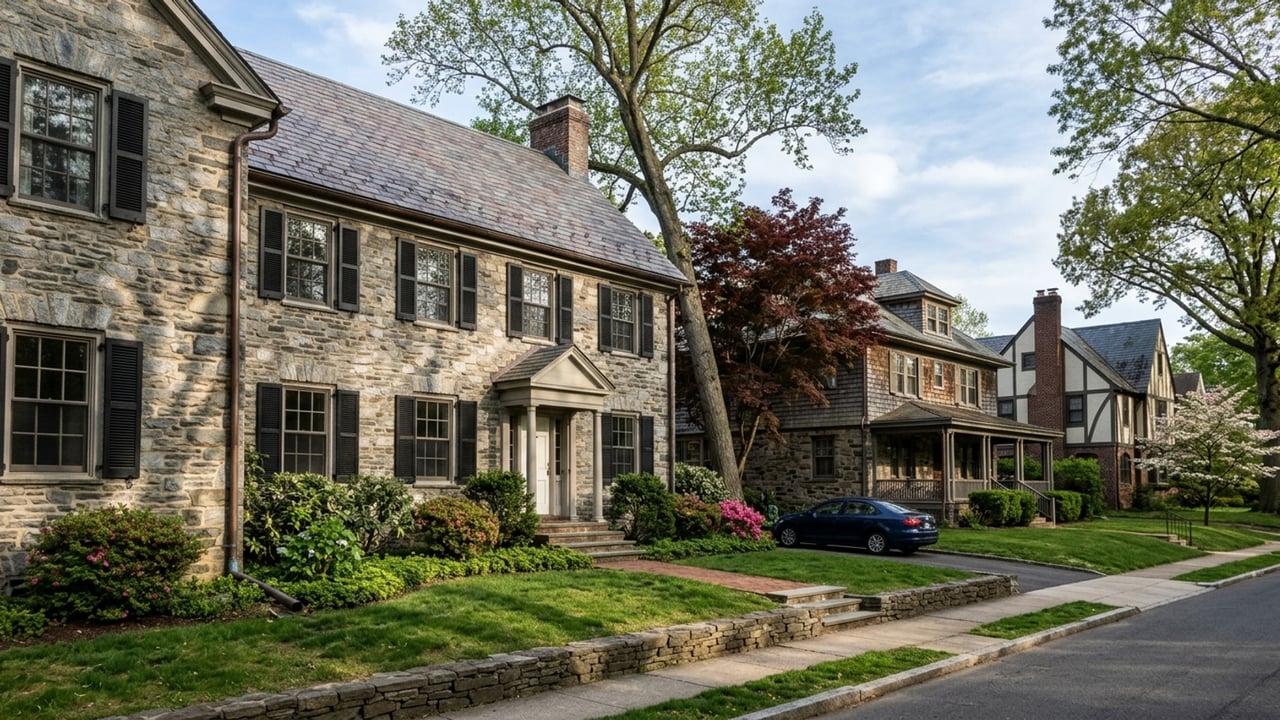
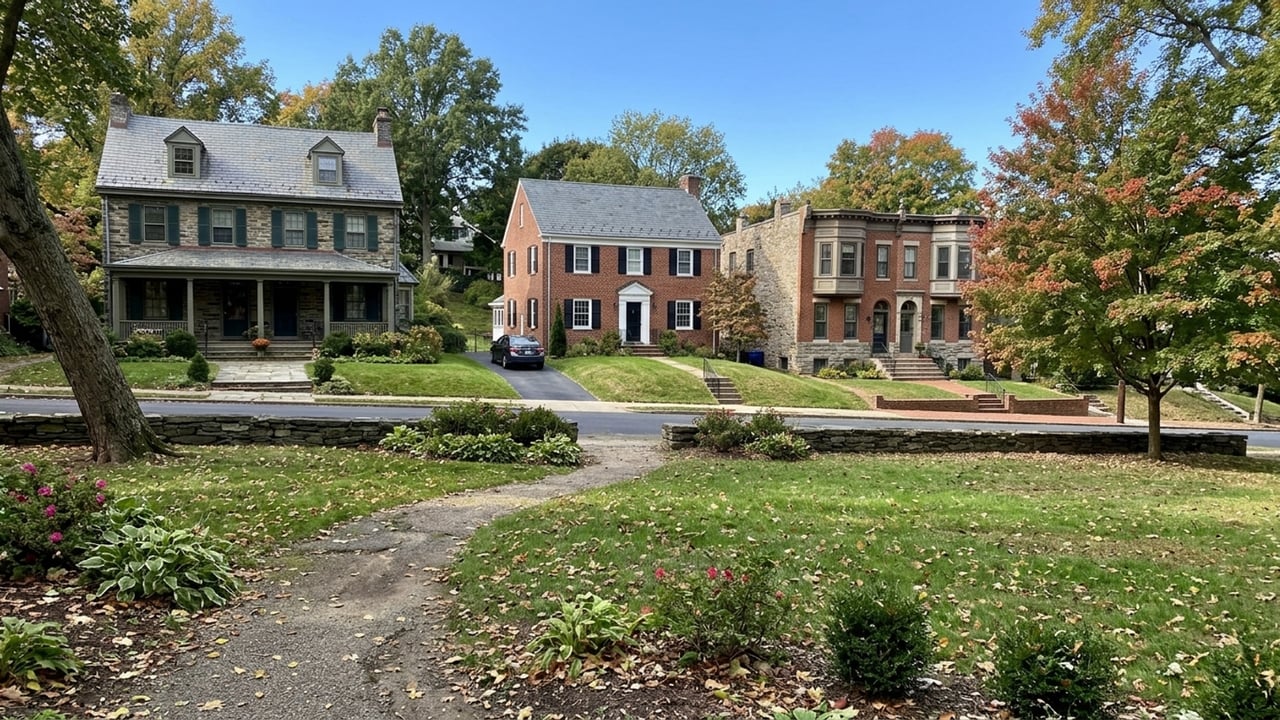
Chestnut Hill is known for its architecture: blocks of historic stone houses and mid-century landmarks that you can read like a timeline of how the area developed from a summer retreat into a permanent neighborhood.
You can view most of the notable buildings from the public sidewalks for free. If you're thinking about owning one of these properties, review the historic district rules to understand what that ownership entails.
Historic Architecture Walks
Chestnut Hill's historic district was placed on the National Register of Historic Places on June 20, 1985. You can take self-guided walks through the stone houses, or join Conservancy-led tours. The Chestnut Hill Conservancy offers guided walks like the April 11, 2026 "Discovering: Chestnut Hill's Victorian District" tour.
Nearly everything worth seeing is a private home, viewed from the sidewalk only, and the routes are hilly. That's the tradeoff.
The Vanna Venturi House
Architect Robert Venturi designed the Vanna Venturi House for his mother, and it was completed in 1964. It's widely regarded as one of the first prominent works of postmodern architecture, which is why architecture students still make the trip. It's also a private residence, so you view it from the public street only: no trespassing, no photos from the property. You can consult a historic home buying guide if you're drawn to the neighborhood's mid-century and older stock.
Annual Events in Chestnut Hill
The best time to visit often depends on the event calendar. The Chestnut Hill Business District's 2026 calendar includes the Home & Garden Festival on Sunday, May 3, featuring over 300 vendors along Germantown Avenue. Later in the year, the "Holidays on the Hill" season culminates in Small Business Saturday on November 28, complete with Victorian carolers and Santa visits, plus Stag & Doe Nights on Wednesdays in December. A year-round Farmers Market runs every Saturday morning.
Confirm event dates on the business district's calendar before you travel. Event weekends bring the heaviest crowds and the hardest parking, so plan your arrival accordingly. Weekdays offer a quieter experience if that's what you're after.
How to Spend a Day in Chestnut Hill
A full day here works best when you mix the commercial strip with the outdoors. Arrive on the Chestnut Hill East or Chestnut Hill West Regional Rail, as both lines end right in the neighborhood. From the station, walk to a Wissahickon access point for a morning on Forbidden Drive. After your hike, head back up the hill and have lunch on the Avenue.
In the afternoon, choose between free browsing along the Belgian block or a paid stop at Woodmere Art Museum or Morris Arboretum, then stay for dinner. If you're driving instead of taking the train, check the parking rules and lots before you arrive.
If you're testing a move, time the walk from the train station to the Avenue and to a trailhead. Those two walks are the daily reality of living here, and feeling the hills firsthand will tell you more than any listing description.
Living in Chestnut Hill: What Homes Cost
Anyone buying a home near the Avenue or the trails must first understand the local market. The Chestnut Hill housing market data shows exactly what it takes to buy a property near these stops.
You can browse neighborhoods by home type to see how the housing stock splits. Townhouses and single-family homes offer very different entry points and move at different speeds. You can also check the cost of living in Chestnut Hill.
Townhouses in Chestnut Hill
Townhouses are the lower-cost way to live near the things on this page. A 19.4% drop in the median sale price year over year looks like a buyer's discount, but nearly 3 in 10 still sold above list (based on 21 sales over the 90 days ending Oct. 31, 2026). The likely explanation is a different mix of homes selling, not sellers giving ground, so you should come with pre-approval and a fast decision process rather than a lowball strategy.
With only 21 sales behind these numbers, one or two unusual sales can move the median. For any specific home, ask the listing agent for recent comparable sales on that block rather than relying on neighborhood medians. Kristin McFeely can set up showings when you're ready to look.
Single-Family Homes in Chestnut Hill
Single-family homes offer more space and often older or architecturally notable houses, but very few hit the market at once. You can review a historic home buying guide if you want to target the older properties. These homes take about twice as long to sell as townhouses here, with a median 48 days on market.
Supply is so thin, at 1.6 months, that the right house may not be listed when you're ready. Set alerts early. The figures rest on only 14 sales, so the shortlist of available homes stays small.
At a Glance
- All homes: median sale price $757,138, down 16.6% year over year; 35 sales; median 43 days on market; 99.3% sale-to-list; 29.3% sold above list; 2.3 months of supply; 27 active listings; $382 median price per sq ft (90 days ending Oct. 31, 2026)
- Single-family homes: median sale price $1,111,125, down 9.3% year over year; median 48 days on market; 99.2% sale-to-list; 28.5% sold above list; 1.6 months of supply; 8 active listings; $400 median price per sq ft. Based on only 14 sales, so treat as a rough guide (90 days ending Oct. 31, 2026)
- Townhouses: median sale price $539,984, down 19.4% year over year; median 25 days on market; 99.4% sale-to-list; 29.7% sold above list; 2.7 months of supply; 18 active listings; $370 median price per sq ft. Based on only 21 sales, so treat as a rough guide (90 days ending Oct. 31, 2026)
Chestnut Hill, Philadelphia FAQs
What Is Chestnut Hill, Philadelphia Known For?
It's known for its historic-village character, Germantown Avenue, the Wissahickon, and its stone architecture. The earliest recorded mention of the name "Chestnut Hill" appears on a 1704 deed, with the settlement forming around two colonial roads used by German settlers. It was incorporated into the City of Philadelphia in 1854, the same year the Chestnut Hill Railroad opened, spurring its growth into a streetcar and railroad suburb.
What Is the Main Street in Chestnut Hill, PA?
Germantown Avenue is the main street. It runs through the neighborhood's commercial district, giving you a long stretch of independent shops and galleries. Check a map to see the exact block span of the business district before you start walking the Belgian block paving.
Is Chestnut Hill Considered Part of Philadelphia?
Yes. Chestnut Hill is a neighborhood inside the City of Philadelphia, which shares its boundaries with Philadelphia County, in the city's northwest. Its main ZIP code is 19118, so you can check the ZIP code and boundaries to see exactly where it stops.
How Far Is Chestnut Hill From Downtown Philadelphia?
It depends on how you travel. The Chestnut Hill East and West Regional Rail lines run directly into Center City, but you should check the SEPTA schedule for weekend service travel times. Check a mapping app for the exact driving distance to City Hall, as traffic changes the trip duration.
Is There Parking in Chestnut Hill?
Yes. The commercial district is served by six parking lots (Yellow, Blue, Green, Orange, Turquoise, and Purple) administered by the nonprofit Chestnut Hill Parking Foundation. Hourly lot rates are $3 per hour with a maximum of $48 for 24 hours, though you should check posted signs to confirm current rates. Event weekends and trailheads fill first.
Is Chestnut Hill a Good Area in Philadelphia?
The walkable shopping, direct park access, and two Regional Rail lines suit some buyers well, while others may prefer a different setup. All homes had 2.3 months of supply over the 90 days ending October 31, 2026, meaning listings are limited, so spend a weekday and a weekend there before deciding.
Is Chestnut Hill a Wealthy Area?
The all-homes median sale price was $757,138, down 16.6% year over year based on 35 sales over the 90 days ending October 31, 2026. Prices vary widely by home type, with single-family homes selling for roughly double the price of townhouses. Review the housing market data to see the exact spread.
What Is the Crime Rate in Chestnut Hill, PA?
Chestnut Hill is covered by the Philadelphia Police Department's 14th District, headquartered at Haines Street and Germantown Avenue. Citywide crime data for the district is published in OpenDataPhilly's "Crime Incidents" dataset, which covers Part I and Part II crimes from 2006 to the present. Compare the same time window across areas and check a specific block rather than a neighborhood label.
Sources
- Redfin: Data Center
- Friends of the Wissahickon: From the Director's Notebook
- Friends of the Wissahickon: Welcome to the Wissahickon
- AAA: Valley Green Inn
- Morris Arboretum & Gardens: Hours & Pricing
- Woodmere Art Museum: Visit
- Chestnut Hill, PA: Events Calendar
- Chestnut Hill Community Association: Pastorius Park Summer Concerts
- Wikipedia: Vanna Venturi House
- Chestnut Hill Conservancy: Calendar
- Chestnut Hill, PA: Parking
- OpenDataPhilly: Crime Incidents
- Chestnut Hill Conservancy: Library