The median home price in Chestnut Hill sits around $939,737, but that single number hides the real story. Prices per square foot are nearly identical whether you buy a detached house or a rowhouse. Those buying a home in Chestnut Hill, Philadelphia, PA can find additional context on these property types in our neighborhood overview.
The headline swings you see in the data are about the size of the homes changing hands, not sudden spikes in property values. With under three months of supply across the board, buyers are working in a competitive market where preparation matters more than timing.
Key takeaway
Chestnut Hill is still a seller-leaning market, but the whole-market median rose only modestly over the past year. The dramatic single-family jump says more about which large houses happened to sell than about rising prices. If you want the most accessible entry point, start with townhouses. If you need time to inspect and negotiate, detached houses have been sitting longer, though they still tended to close above list.
Who this guide is for
You're weighing a townhouse against a detached house in Chestnut Hill and trying to judge how hard to bid and what the purchase will cost beyond the price.
Current prices and conditions in Chestnut Hill
The headline swings here are a size story, not a price story. Detached houses and townhouses trade at nearly the same median price per square foot: roughly $400 versus $389 for the 90 days ending September 30, 2026. The single-family segment jumped sharply based on just 11 sales, while the all-homes median rose a modest 2.5% (29 sales).
The decision comes down to how much house you need. Townhouses present a tighter, faster fight, with about 2.1 months of supply. Detached houses give you more time, sitting for a median of 35 days on market, but they don't offer a discount.
Across all property types, Chestnut Hill has about 2.9 months of supply, and nearly half of homes recently sold above their list price. Sellers hold the edge here, and this neighborhood sits entirely within the City of Philadelphia. Plan for a competitive offer rather than expecting major concessions. That said, treat these figures as a direction rather than precision: they're based on just 29 total sales reported by Redfin.
Comparing townhouses and single-family homes
Townhouses and detached homes attract different buyers and move at different speeds in Chestnut Hill. Buyers looking for an entry point gravitate toward attached homes; those with larger budgets look to the historic detached properties. Both segments require different tactics.
Because per-foot pricing is so similar, your budget determines your square footage, not the format of the house. You'll pay for the space you get, but the pace of the transaction changes considerably depending on which side of the market you're shopping.
Townhouses
Townhouses are the most accessible entry point and the most competitive segment in the neighborhood. The median sale price sits around $750,000, based on 17 recent sales. With barely two months of supply available, you need pre-approval and an offer strategy ready before you start touring.
Townhouses here range from row and twin homes to newer attached properties. The per-foot price lines up with detached homes, so you're not paying a premium for the format. You're simply buying less space. The neighborhood also serves commuters well, sitting at the end of the line for two separate SEPTA Regional Rail lines: Chestnut Hill East and Chestnut Hill West.
The downside is the lack of slack in this segment. A well-priced townhouse may not wait for you to sell another home first. If an attached home has a homeowner association or shared-wall maintenance agreement, ask for the documents and current dues before you commit.
Single-family homes
Single-family homes offer more space and more time to make a decision. The median sale price recently came in at roughly $1,999,668, but with only 11 sales, a few large historic houses can push that number up quickly. Judge a specific house by its price per square foot rather than the headline median to see whether it aligns with the market.
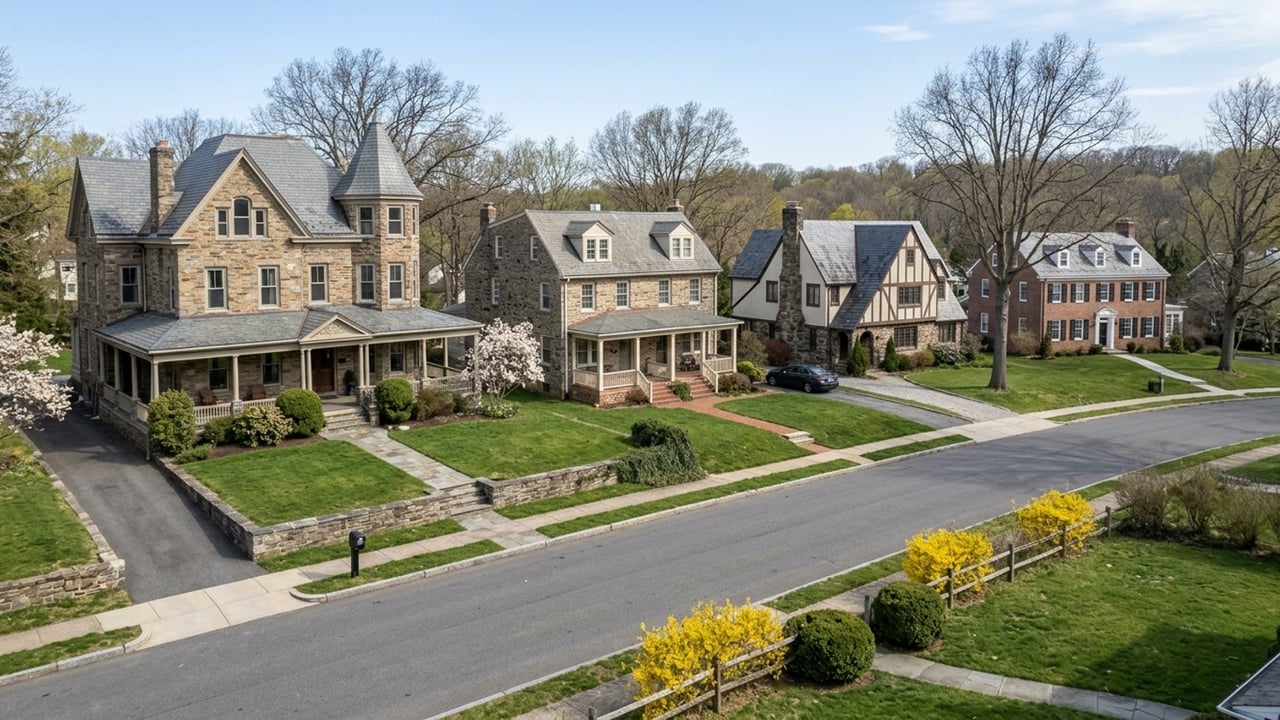
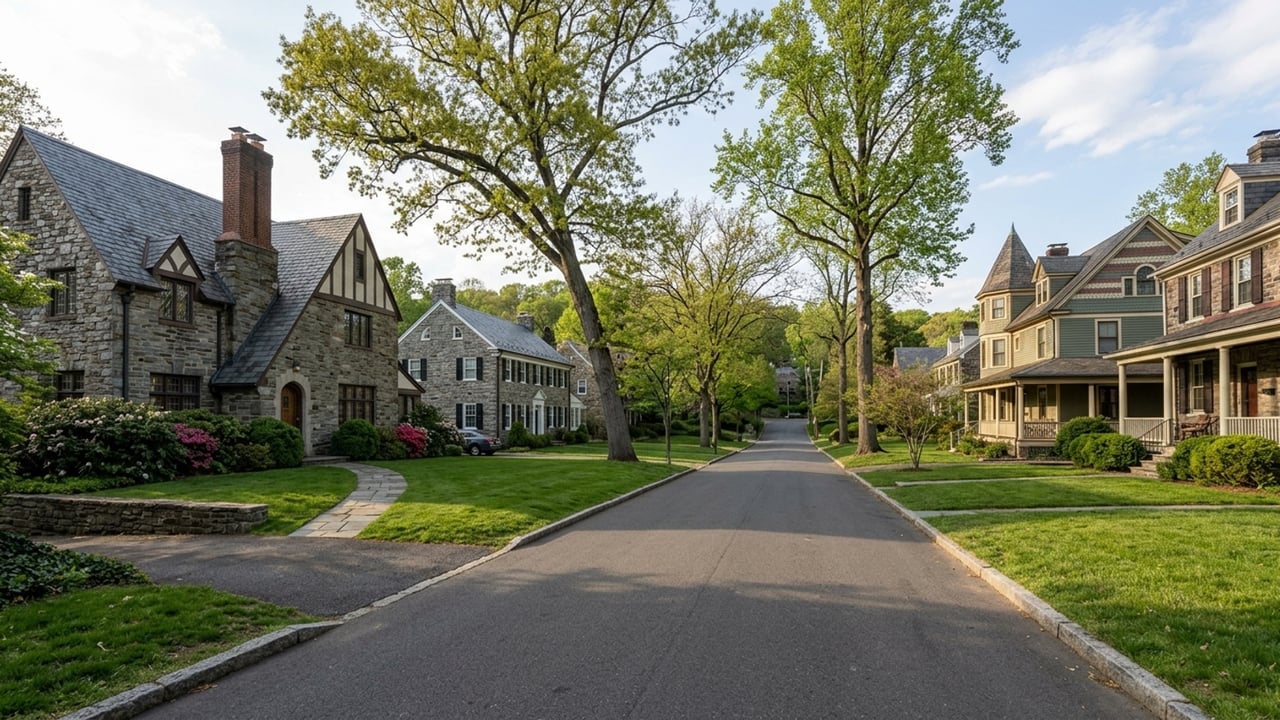
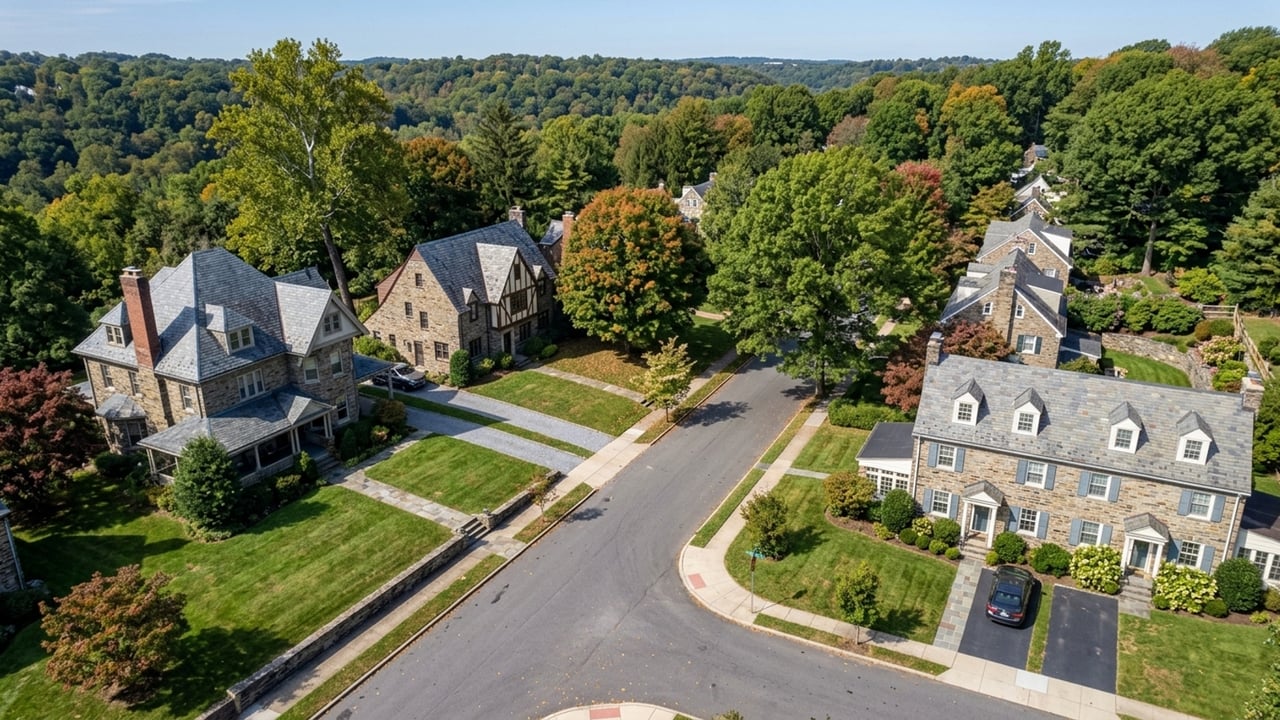
Detached houses have taken a median of 35 days to sell, which gives you room to schedule inspections and arrange a second visit. Much of the area sits within the Chestnut Hill Historic District, listed on the National Register of Historic Places and including buildings dating back to 1744.
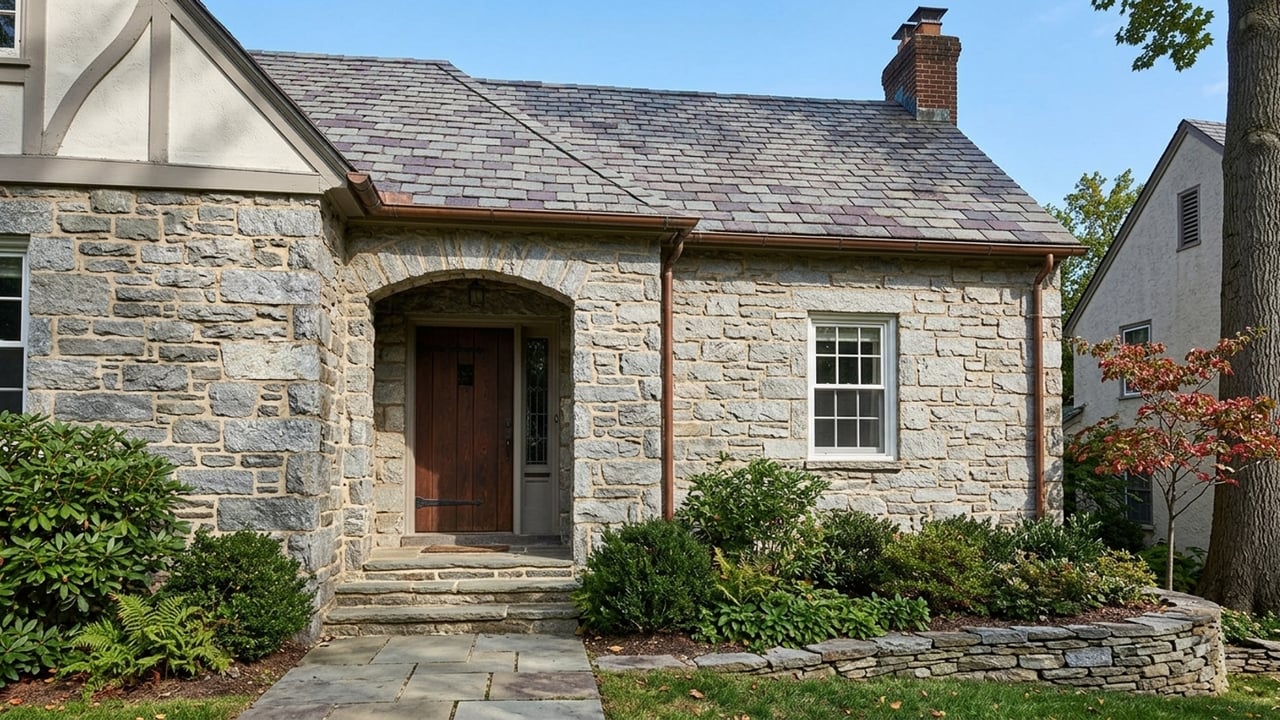
What you give up is any expectation of a discount. Extra time on market hasn't translated into price cuts, and detached houses still closed above list on average over the same window. Older, larger houses also carry upkeep costs that don't appear in the price, so budget for specialist inspections on roofs, masonry, and mechanicals.
Are home prices rising in the neighborhood?
That median is barely changed from a year ago. The single-family segment shows a 63.9% increase based on 11 sales, and townhouses show a 24.5% increase based on 17 sales. Those swings are the result of a mix effect.
If three large estates close this quarter and none did a year ago, the median leaps even if no individual house got more valuable. The near-identical per-foot prices across the market show that underlying values are relatively stable.
Don't price an offer or a listing off that single-family jump. Use recent comparable sales of similar size and type to find the right number.
How to decide what to buy
Buyers in Chestnut Hill are choosing between two distinct property types with different timelines. Narrowing your search comes down to your budget, your pace, and your appetite for maintenance. School assignment also depends on the exact address, so check any potential home in the School District of Philadelphia's school finder.
- How much space do you need? Detached houses and townhouses cost about the same per square foot here. If you want the lowest entry price without paying more per square foot, start with townhouses.
- How fast can you act? If you want time to inspect, revisit, and negotiate terms, start with single-family homes. If you can't make a clean, pre-approved offer quickly, the townhouse segment will be the hardest.
- Does the home you're eyeing sit in a historic district or carry a façade easement, and do you plan exterior changes?
- Have you budgeted the cash costs that don't show up in the list price? If you want to judge whether a specific listing is priced fairly, start with the price per square foot against similar recent sales rather than the overall median.
Philadelphia costs to plan for beyond the price
Buying in Chestnut Hill means buying in the City of Philadelphia, which brings specific local taxes and maintenance responsibilities that buyers from the surrounding suburbs often miss. These expenses change the real cost of your purchase.
Factor these items into your upfront cash reserves and your monthly carrying costs. The list price is only the starting point for your budget.
Philadelphia realty transfer tax
Chestnut Hill buyers face the combined City of Philadelphia and Pennsylvania transfer tax, which is high by national standards. The total rate is 4.578%, combining the city's 3.578% portion and the state's 1% portion.
The customary split between buyer and seller is an even divide, but this is a local custom, not a law. For a hypothetical $800,000 purchase, the total tax would be $36,624, meaning a buyer splitting the cost would need $18,312 in cash at the closing table.
This is a large cash cost due at closing, and who pays what is negotiable in the agreement of sale. Ask your lender and settlement company for a written estimate early so it doesn't eat into your down payment.
Real estate taxes and the homestead exemption
City real estate tax is based on the Office of Property Assessment's market value, not your sale price. For tax year 2025, the combined city and school district rate is 1.3998% of the assessed value.
Owner-occupants can apply for the Homestead Exemption, which reduces a primary residence's taxable assessed value by $100,000. This saves homeowners up to $1,399 a year, with no income or age requirement. You apply through the Philadelphia Tax Center. The final deadline is December 1 each year, though applying by October 1 ensures you see the benefit on that year's bill.
The assessed value on a house you're buying may lag what you pay, and the city reassesses periodically. Look up the property's current assessed value in the Office of Property Assessment search and estimate your own tax bill from it, rather than assuming the seller's bill will be yours.
Historic preservation review
Being in a historic district or under a façade easement can restrict exterior changes. Much of the neighborhood is on the National Register of Historic Places, and individual properties within Chestnut Hill are also separately listed on the Philadelphia Register of Historic Places.
That local list is administered by the Philadelphia Historical Commission. Designation means alterations to the exterior require review and approval from the commission.
A local designation or a recorded easement can limit changes to windows, siding, additions, or demolition, and it binds future owners. Ask your title company to flag any recorded façade or preservation easement, and check the property's historic-designation status with the Philadelphia Historical Commission before planning any exterior work.
Sewer and water line responsibility
In Philadelphia, the water department owns and maintains the mains in the street, but homeowners are responsible for the water service line and sewer lateral, including the portion running under the street and sidewalk to the curb trap.
On older Chestnut Hill homes, this is a major inspection item. If a defect is found, eligible owner-occupants can apply for the city's Homeowner's Emergency Loan Program, a zero-interest loan to cover repairs to the service line or sewer lateral.
A failed lateral under a long front lawn or a stone wall can be an expensive surprise. Schedule a sewer-line camera scope during the inspection period on older homes, and ask the seller for any repair records.
What to watch in the coming months
The neighborhood recently had just 27 active listings across all property types. In a market this small, a few new listings or a few big sales can swing every median, so always check the date on market data.
Watch whether months of supply climbs toward a balanced level of five to six months, which would signal a shift in negotiating position. Pay attention to whether detached houses keep stretching their days on market, and whether townhouse supply stays tight.
If you're selling, pricing to comparable sales of similar size matters more than the headline median. If you'd like comparable sales for a specific street or home, Kristin McFeely can pull them for you.
At a glance
- Median sale price: $939,737 all homes (29 sales); $1,999,668 single family (11 sales); $750,000 townhouse (17 sales). Redfin, 90 days ending Sept 30, 2026
- Year-over-year change in median sale price: +2.5% all homes; +63.9% single family (based on 11 sales); +24.5% townhouse (based on 17 sales). 90 days ending Sept 30, 2026
- Median price per square foot: $391 all homes; $400 single family; $389 townhouse. 90 days ending Sept 30, 2026
- Median days on market: 24 all homes; 35 single family; 22 townhouse. 90 days ending Sept 30, 2026
- Sale-to-list price: 102.9% all homes; 104.6% single family; 101.7% townhouse. 90 days ending Sept 30, 2026
- Share of homes sold above list: 46.3% all homes; 45.3% single family; 46.8% townhouse. 90 days ending Sept 30, 2026
- Months of supply: 2.9 all homes; 3.5 single family; 2.1 townhouse. 90 days ending Sept 30, 2026
- Active inventory: 27 all homes; 13 single family; 12 townhouse. 90 days ending Sept 30, 2026
- Homes sold: 29 all homes; 11 single family; 17 townhouse. 90 days ending Sept 30, 2026. Every figure on this page rests on fewer than 30 sales, so treat them as direction, not precision.
Common questions about Chestnut Hill
Is Chestnut Hill a neighborhood in Philadelphia?
Yes. It's located in Northwest Philadelphia within city limits, sharing the 19118 ZIP code. Because it's in the city, buyers pay the city real estate tax and the city portion of the transfer tax, unlike in the neighboring Montgomery County suburbs.
Is it a good time to buy a house in Chestnut Hill?
It depends on your readiness to compete in a seller-leaning market. Detached houses offer more time to negotiate, while townhouses move much faster. You should decide based on your own timeline and finances rather than trying to time the market.
Is Chestnut Hill a good investment?
It depends on your financial goals and timeline. The single-family price jump rests on just 11 sales and reflects a mix effect, not a return you should expect. If you plan to rent out the home, Philadelphia requires a rental license, and short-term rentals under 30 days require a limited lodging operator license and a zoning permit.
Is it expensive to live in Chestnut Hill?
Yes, home values are high, with detached houses frequently approaching $2 million. You also face ongoing ownership costs, including city real estate taxes and the upkeep required for older historic properties.
Sources
- Redfin: Data Center
- Philadelphia Department of Revenue: Realty Transfer Tax
- City of Philadelphia: Real Estate Tax
- City of Philadelphia: Homestead Exemption
- Philadelphia Historical Commission: Nomination Example
- Chestnut Hill Conservancy: Historic District
- Philadelphia Water Department: HELP Loan
- Wikipedia: Chestnut Hill East Station
- Philadelphia City Planning Commission: Districts
- City of Philadelphia: Short-Term Rentals
- School District of Philadelphia: School Finder