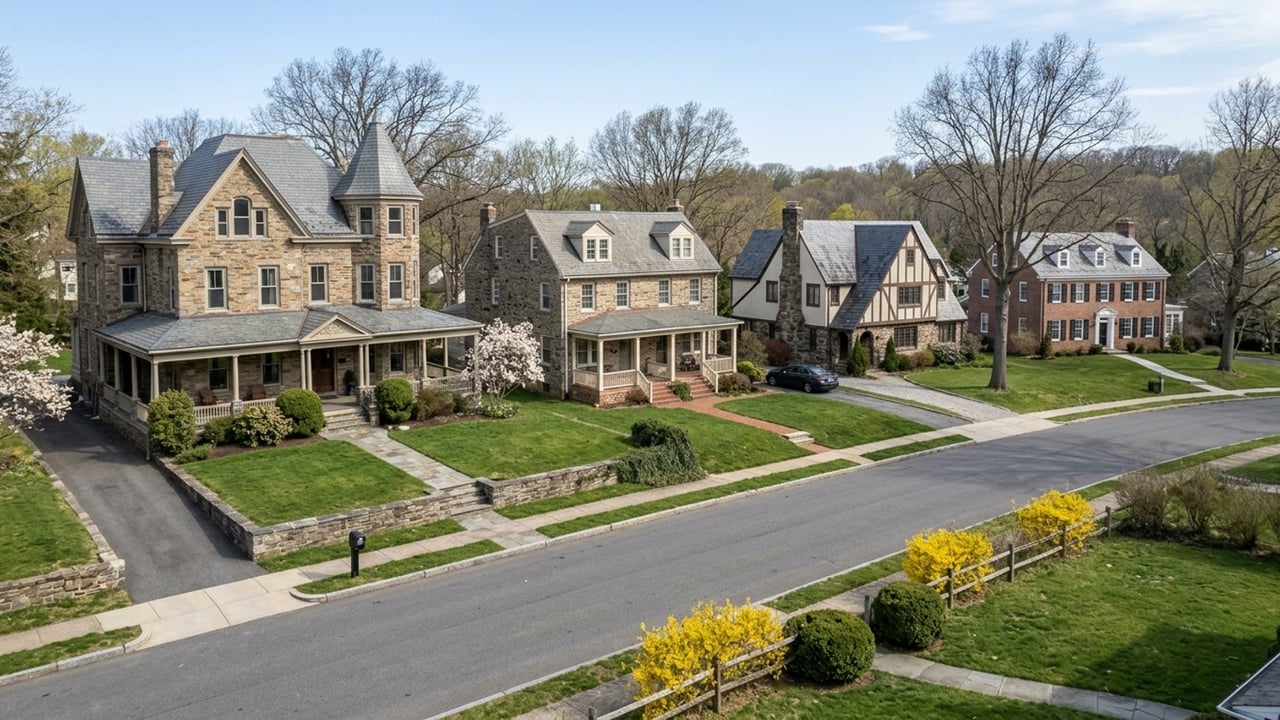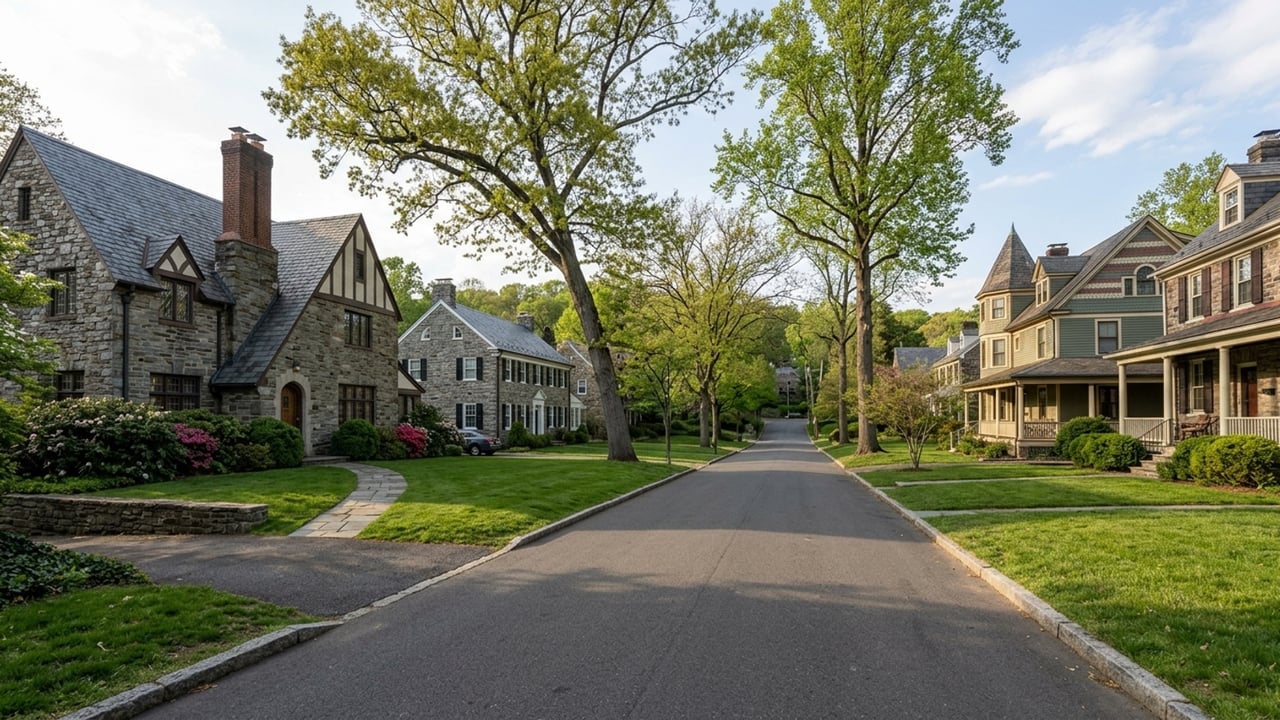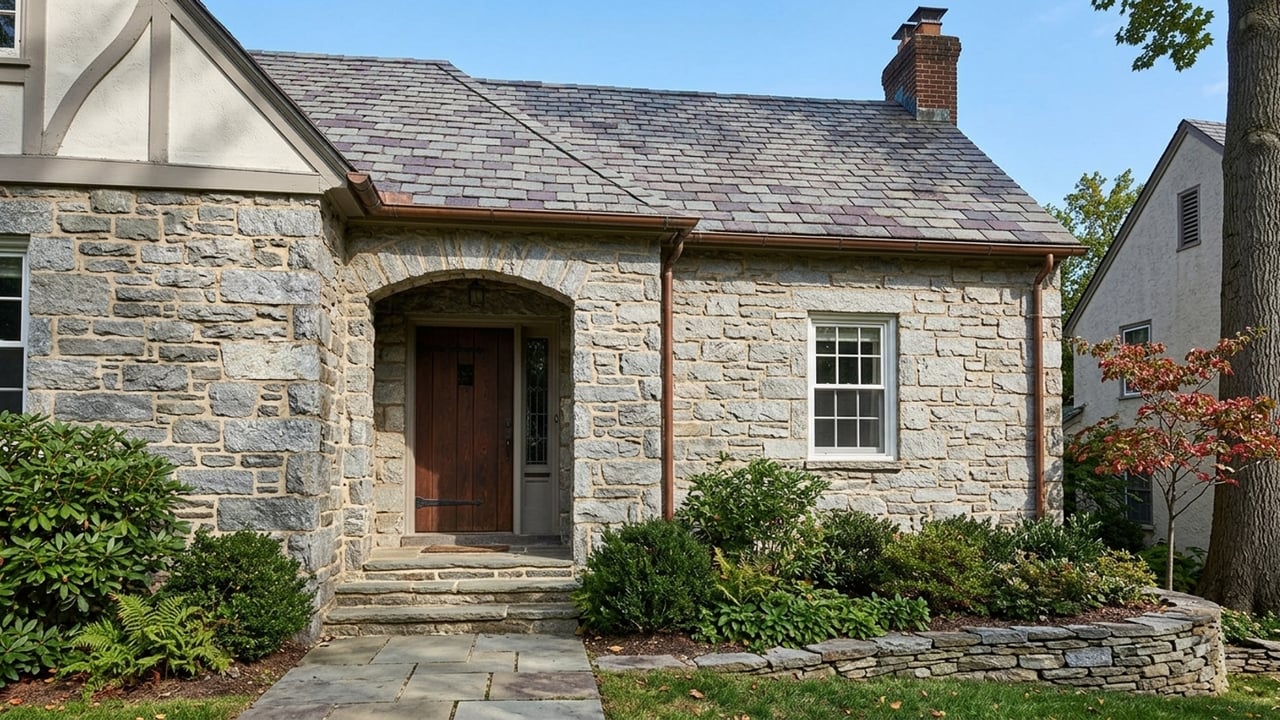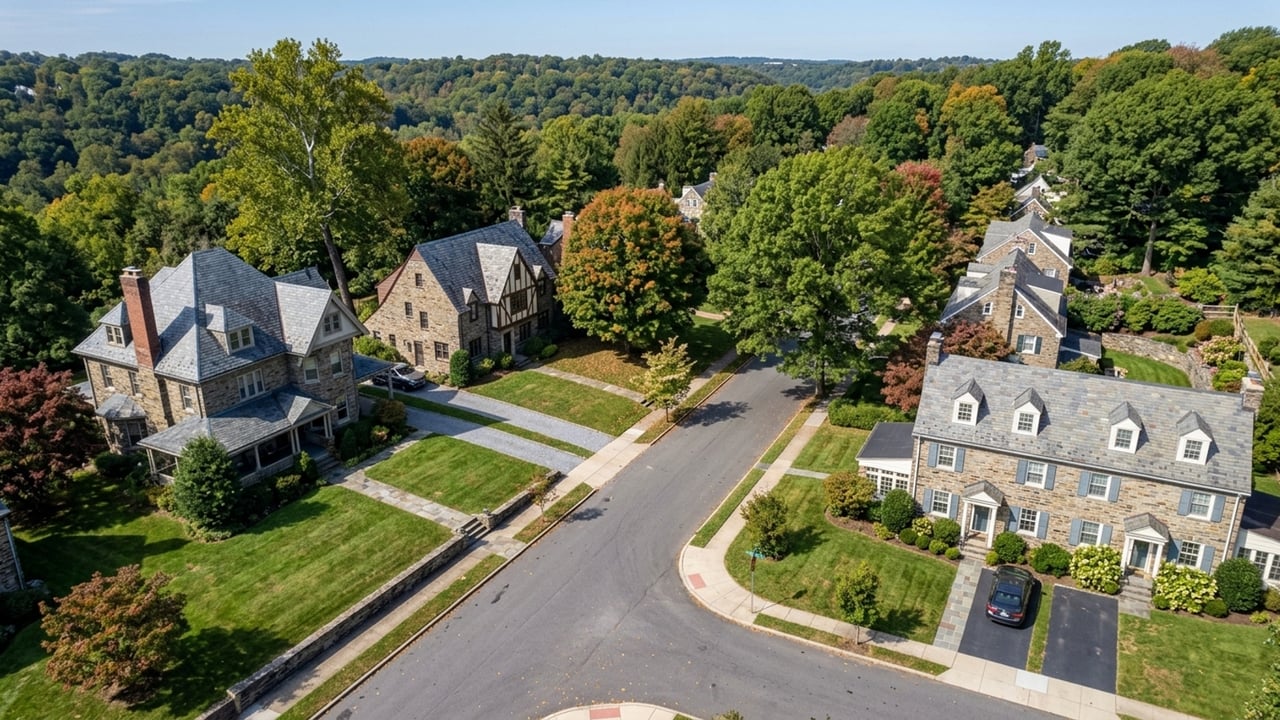
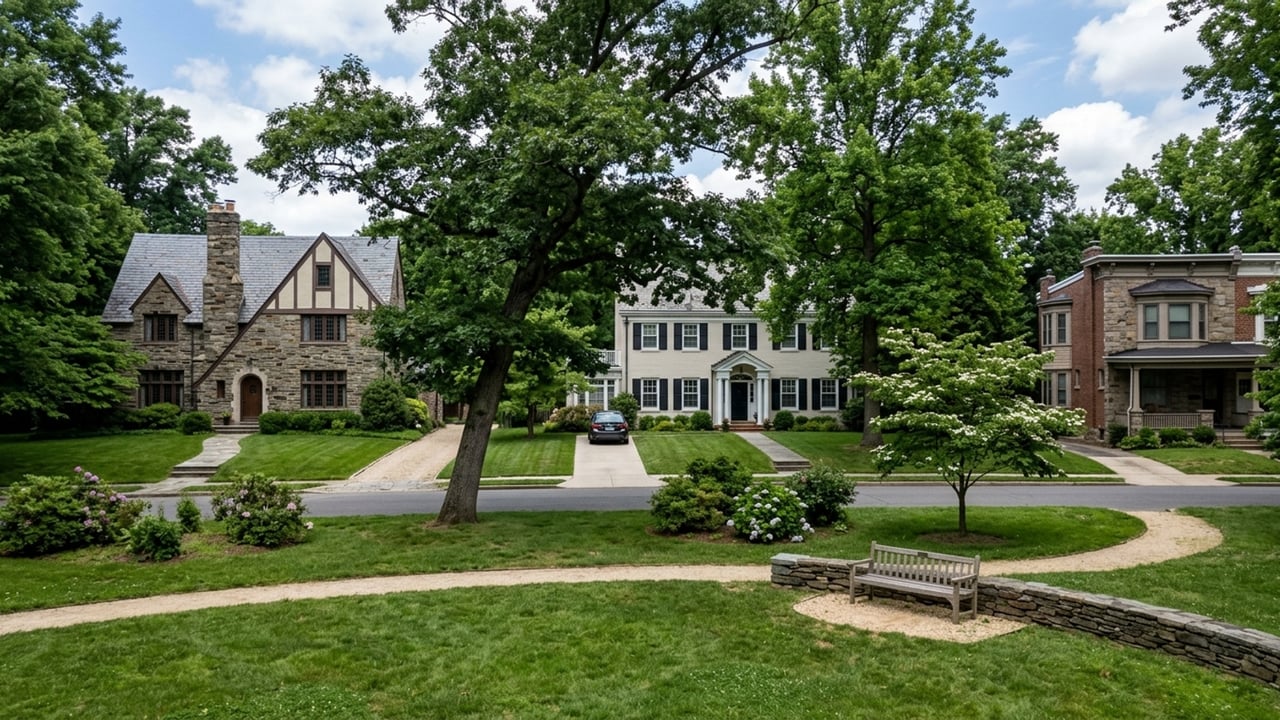
The median home price in Chestnut Hill sits around $939,737, and properties here sell fast—a median of just 24 days on the market over the 90 days ending September 30, 2026. Additional details are available for those buying a historic home in Chestnut Hill.
Buyers drawn to the neighborhood's older homes often worry about design restrictions and approval delays. Checking the local preservation guidelines before you write an offer helps you budget for future renovations and avoid unexpected permit hurdles.
Key takeaway
The rules that restrict a Chestnut Hill owner come from Philadelphia Register designation and from any preservation easement recorded on the deed. Designation means the Historical Commission reviews exterior building permits.
The National Register listing places no limits on private owners spending private money. Check both for the specific address before you offer. If neither applies, standard city permits and zoning are what you deal with.
Who this guide is for
You are weighing an offer on, or planning work to, a specific Chestnut Hill house and need to know which historic rules apply to it and what changes will require approval.
Which historic rules apply to a Chestnut Hill house?
"Historic district rules" in Chestnut Hill can mean up to four separate things, and they don't all work the same way. The National Register listing covers roughly 1,920 acres of the neighborhood, having been added in 1985. Chestnut Hill is not, however, designated as a single local Philadelphia Register historic district.
Individual buildings are added to the Philadelphia Register of Historic Places through separate nominations, address by address. The third layer is a preservation easement, a private restriction recorded directly on the property's deed. Standard city zoning applies to every property regardless of historic status.
The Philadelphia Register and deed easements are the layers that actually restrict an owner, and they operate address by address rather than neighborhood-wide. If you want the freedom to change windows or a facade without design review, confirm that the specific property is off the Philadelphia Register and carries no recorded easement.
What the National Register listing means for owners
Being listed on the National Register of Historic Places is a form of federal recognition. It does not restrict what a private owner does with a property using private funds: "on the National Register" alone does not stop you from replacing windows or altering a facade.
This federal listing matters mainly when federal money, licenses, or permits are involved, which triggers a Section 106 review. It also dictates eligibility for federal tax incentives on income-producing properties. For a standard owner-occupied home, the National Register designation functions as an honorary title rather than a regulatory burden.
What the Philadelphia Historical Commission reviews
For properties designated on the Philadelphia Register, building permit applications for exterior work are referred to the Historical Commission under the Philadelphia Code. The Commission's jurisdiction generally covers exterior features and public views, so a planned window swap, roofing material change, or rear addition on a designated house becomes a design-review project.
The Commission reviews applications to alter or demolish historic buildings, structures, sites, or objects. For new construction within historic districts, the Commission's scope for building permits is limited to a 45-day comment period rather than full approval authority. Demolition faces strict standards, and window guidance favors repair or in-kind replacement.
Buying a designated property means approval adds design, material, and time costs that a non-designated house next door simply doesn't carry. Factor these requirements into your renovation budget before closing.
How Historical Commission approval works
The review path starts when you apply for a standard building permit through the city's system, which is then routed to Historical Commission staff. Minor and in-kind work can often be approved at the staff level.
Larger changes go to the advisory Architectural Committee, which generally meets on the fourth Tuesday of the month to make non-binding recommendations. The full Philadelphia Historical Commission then reviews the application at its monthly meeting, held on the second Friday of each month.
If you want to replace windows, re-roof, or build a rear addition on a designated house, start with a pre-application conversation with Historical Commission staff before closing. Hire an architect or contractor who has taken projects through the Commission before. Confirm current procedures with Commission staff, as this guide does not constitute legal advice.
Preservation easements and zoning review
A preservation easement is a private, recorded restriction, often held by the Chestnut Hill Conservancy. The Conservancy is an accredited land trust that holds facade and conservation easements to protect a property's historic or natural features. An easement runs with the deed and binds all future owners in perpetuity.
Easements can cover things the city does not regulate, and they require the holder's consent for changes regardless of the property's Philadelphia Register status. You can find an easement in a title search and request the recorded terms.
Variances and special exceptions go to the Zoning Board of Adjustment. The Chestnut Hill Community Association's Development Review Committee, which meets on the third Tuesday of each month, reviews proposed zoning matters and makes a recommendation. Easement terms vary property by property and can be stricter than the city's rules, so a clean Philadelphia Register check alone isn't enough.
How to check a property before you make an offer
Start by looking up the address in the city's property records at atlas.phila.gov to check for permits, inspections, violations, and licenses. To check historic status, use the Office of Property Assessment website to find the official address, then view the Philadelphia Register list or map.
Next, order a title search that flags recorded easements and request the full recorded terms from the holder. If the deed carries a preservation easement held by the Chestnut Hill Conservancy, those easement terms apply and can be stricter than city rules. Ask the seller for copies of any past Historical Commission approvals and the full permit history.
If your plan touches the exterior on a designated property, covering windows, doors, roof, masonry, or a porch, your work will require review. If your timeline is tight, confirm these details before submitting an offer.
One other thing worth knowing: townhouses sold at a median $750,000 against $1,999,668 for single-family homes, and townhouses sold in a median 22 days. Do the designation and easement check at the showing stage.
Tax credits, insurance and renovation costs
Federal historic tax credits generally target income-producing buildings, not owner-occupied homes. Per the National Park Service, the 20% federal Historic Rehabilitation Tax Credit requires that the historic building be used for an income-producing purpose for at least five years after rehabilitation. Owner-occupied residential properties do not qualify for this specific credit.
Donating a preservation easement may carry federal tax implications. Consult a tax professional before assuming any historic tax credit or easement-related deduction applies to your purchase.
When setting up your homeowner's policy, ask your insurer how replacement cost is calculated for a designated home. Historic properties often require in-kind materials like slate, stone, or original millwork, and those items cost more to replace than standard modern materials.
Related guides: Renovating a Historic Home, Historic Home Tax Credits.
Chestnut Hill housing market at a glance
The figures below cover the 90 days ending September 30, 2026. All figures rest on fewer than 30 sales, so they represent a small sample size, and the data does not separate designated from non-designated homes.
- All homes: median sale price $939,737, up 2.5% year over year (29 sales, 90 days ending 2026-09-30; small sample, treat with caution)
- All homes: median 24 days on market, 102.9% sale-to-list, 46.3% sold above list (29 sales, 90 days ending 2026-09-30)
- All homes: 2.9 months of supply, 27 active listings, $391 median price per square foot (90 days ending 2026-09-30)
- Single family: median sale price $1,999,668, up 63.9% year over year (based on only 11 sales, 90 days ending 2026-09-30; likely reflects a few large-house sales, not a trend)
- Single family: median 35 days on market, 104.6% sale-to-list, 45.3% sold above list, 3.5 months of supply, 13 active listings, $400 median price per square foot (11 sales, 90 days ending 2026-09-30)
- Townhouse: median sale price $750,000, up 24.5% year over year (based on 17 sales, 90 days ending 2026-09-30)
- Townhouse: median 22 days on market, 101.7% sale-to-list, 46.8% sold above list, 2.1 months of supply, 12 active listings, $389 median price per square foot (17 sales, 90 days ending 2026-09-30)
Frequently asked questions
Does Philadelphia require a Certificate of Appropriateness for work in Chestnut Hill?
No, the term "Certificate of Appropriateness" comes from other cities. In Philadelphia, Historical Commission review is built directly into the standard building permit process for designated properties. You apply for a building permit, and the city routes it to the Commission for review.
Can exterior paint colors be regulated on a designated Chestnut Hill property?
It depends on the property's designation status. For designated properties, the Historical Commission requires that paint colors and specifications be reviewed and approved, often requiring the color to match the original historic material. Separately, painting or repainting masonry on designated properties is subject to approval. A preservation easement can carry its own terms, so check the recorded document.
Are interior renovations subject to Historical Commission review?
Review is generally limited to exteriors under the Philadelphia Code. The Commission's jurisdiction only extends to building interiors when those specific interior spaces have themselves been separately designated on the Philadelphia Register, which is rare and typically limited to publicly accessible spaces. Interior work still needs ordinary city permits where required, and easement terms may differ.
Do solar panels or air-conditioning units require Historical Commission approval on a designated property?
Yes, Historical Commission approval is required for the installation of solar and photovoltaic systems on properties listed on the Philadelphia Register. Separately, Commission approval is required for the placement of any equipment on the exterior of these properties. Ask staff about placement guidelines, such as keeping equipment out of public view, before signing an installer contract.
What happens if work is done on a designated property without Historical Commission approval?
The Department of Licenses and Inspections will issue a stop-work order if work is not performed in accordance with the permit. Violations incur a fine of $300 per offense, with an additional $100 penalty for repeat violations requiring multiple abatements within twelve months. Unapproved past work can become the new owner's problem, so review the permit history before buying.
Can the market data show a designation effect on home values in Chestnut Hill?
The market data available does not separate designated from non-designated homes, so it cannot show a specific designation effect on pricing. You can review the at-a-glance section above for overall neighborhood market context.
Sources
- Redfin: Data Center
- Philadelphia Historical Commission: 150 Bethlehem Pike Nomination
- Wikipedia: Chestnut Hill Historic District (Philadelphia)
- American Legal Publishing: Philadelphia Code 14-1000
- Philadelphia Historical Commission: October 2023 Permit Log
- Philadelphia Historical Commission: Architectural Committee FAQ
- American Legal Publishing: Philadelphia Code 14-900
- Philadelphia Historical Commission: Historic Preservation Ordinance
- City of Philadelphia: Find a historic property or district
- Chestnut Hill Conservancy: Easements
- Chestnut Hill Community Association: Development Review Committee
- National Park Service: Eligibility Requirements