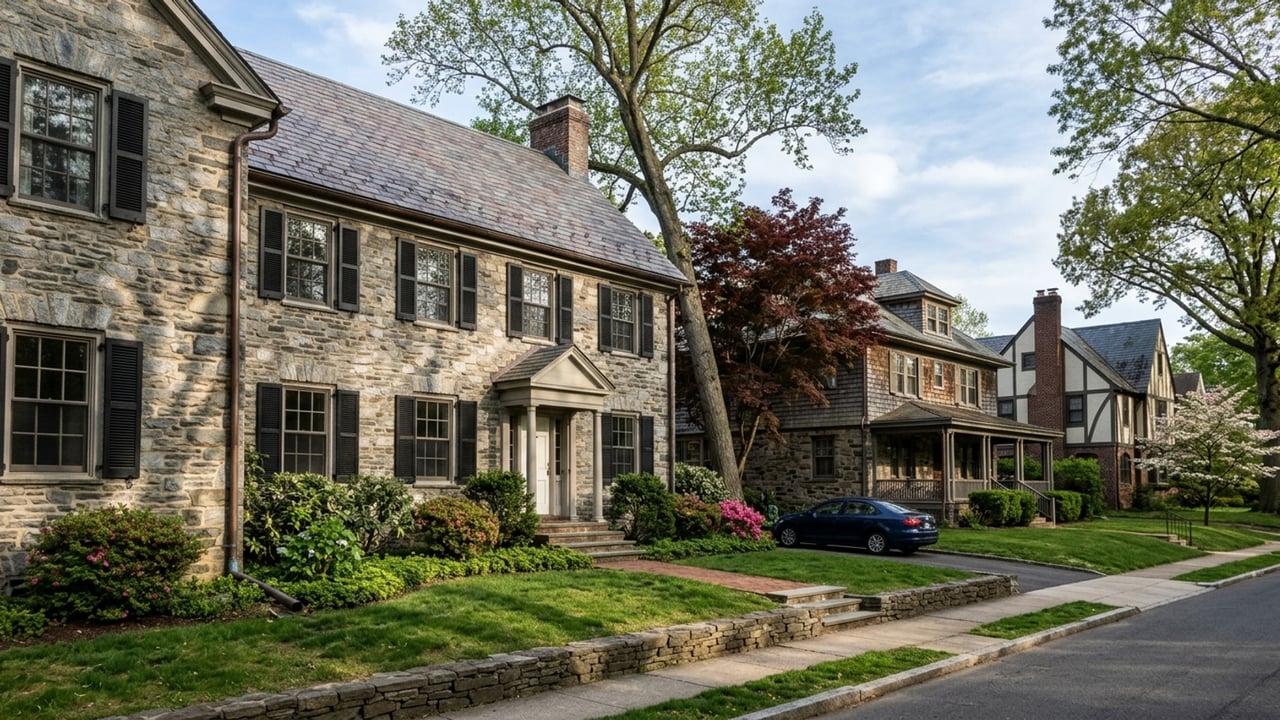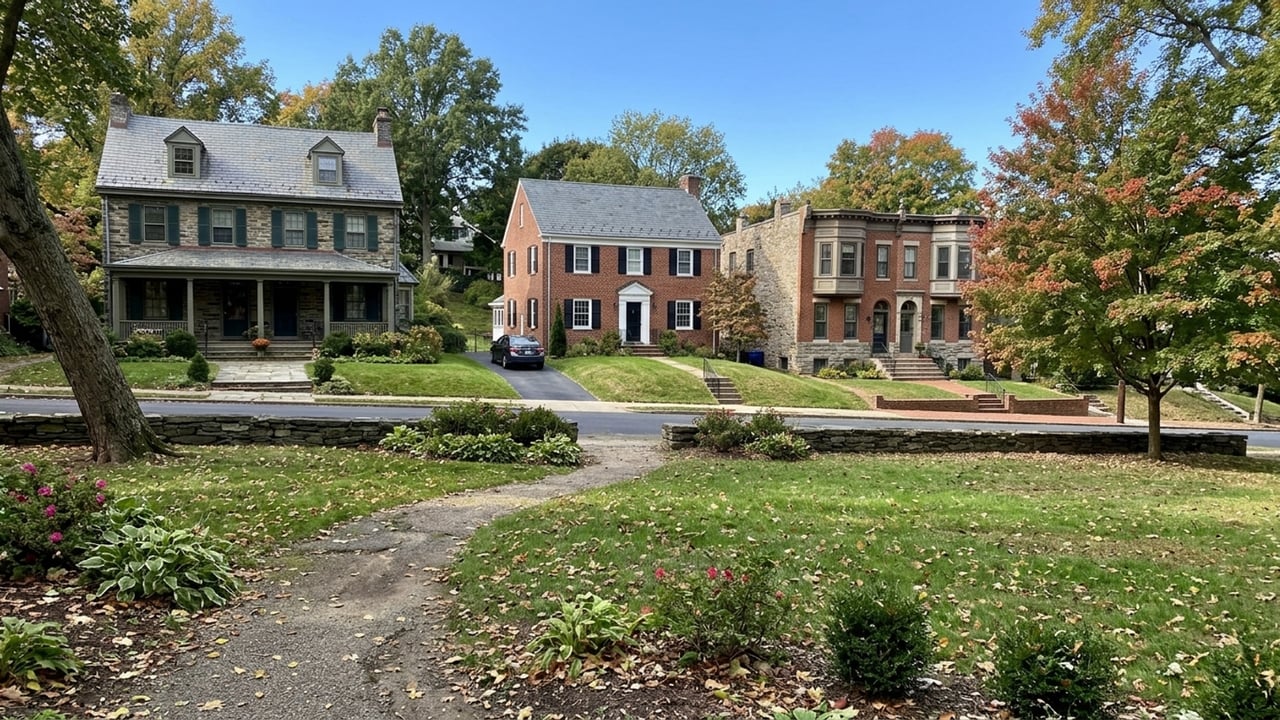

The median home price in Chestnut Hill, Philadelphia, PA sits around $939,737, but the monthly cost of running a house here varies wildly from block to block. The neighborhood runs from attached townhouses to large multi-story detached homes, so a generic utility estimate won't help you budget. You need to know who supplies each service, how to get the property's usage history, and what to check before you make an offer.
Key Takeaway
Chestnut Hill homes inside Philadelphia get water and sewer from the Philadelphia Water Department, gas from PGW, electricity from PECO, and trash pickup from the city, so your bills come down to the house you choose. A townhouse is the lower-cost route, because the median single-family sale implies roughly 2.6 times the floor area to heat and cool. A large detached house can still work if the seller's last 12 months of bills fit your budget.
Who This Guide Is For
You're weighing a home in Chestnut Hill and want to know who supplies each utility and how the house you pick will change your monthly bills.
Who Provides Utilities in Chestnut Hill?
Every Chestnut Hill address inside Philadelphia shares the same providers: the Philadelphia Water Department, PGW, PECO and city trash pickup. That means the house, not the provider, decides the bill. To get a home running, you'll deal with a mix of city agencies and private companies.
Water and Sewer: Philadelphia Water Department
One PWD bill covers water, sewer and stormwater. It combines fixed service charges tied to meter size with usage-based charges. Stormwater appears as its own line, separate from how much water you use.
Natural Gas: Philadelphia Gas Works
Gas comes from PGW, a city-owned utility rather than the investor-owned companies that serve many surrounding suburbs. PGW is the largest municipally owned gas utility in the United States, managing over 6,000 miles of gas mains. In a gas-heated house it is the largest winter bill you'll carry, and it peaks sharply in January and February.
Electricity: PECO
PECO delivers the power, maintains the lines and handles outages for every Chestnut Hill address, whoever supplies your generation. Pennsylvania lets you choose a generation supplier. PECO's residential Price to Compare is the default supply rate to measure offers against on the PUC's PA Power Switch site. It is $0.11759 per kWh from June 1 through November 30, 2026.
Large older houses retrofitted with central air or ductless systems can run high summer electric bills. Variable-rate supplier contracts can push those costs further if you're not watching the terms.
Trash and Recycling: City of Philadelphia
The Streets Department runs weekly curbside trash and recycling for residential properties. City taxes cover it, so there's no separate private hauling subscription. Bulk items, renovation debris and holiday schedule shifts follow strict municipal rules, and large renovation waste usually means renting a private dumpster.
Internet and Cable
FCC broadband filing data for the 19118 ZIP code show Xfinity cable plus Verizon and EarthLink fiber covering the entire area. T-Mobile, AT&T and others offer fixed-wireless service in portions of the neighborhood. Availability is still address-specific, and thick stone walls or a long setback from the street can mean extra wiring at installation. Confirm providers for the exact address on the FCC National Broadband Map before you count on a particular service.
Heating Oil and Propane
Some older detached houses heat with oil or use propane for specific appliances. There's no utility company for these fuels: the owner picks a fuel dealer and buys in bulk. Fuel prices swing seasonally and you pay per delivery rather than monthly, so costs are harder to predict than a gas bill.
What Drives Utility Costs in a Chestnut Hill Home?
The size gap between home types is large. The median single-family sale ($1,999,668 at $400 per square foot) implies roughly 5,000 square feet. The median townhouse ($750,000 at $389 per square foot) implies about 1,930 square feet. That's around 2.6 times the space to heat and cool in a detached house, often with older boilers or oil heat. Each driver below turns that space and character into a higher or less predictable monthly bill. Monthly utility expenses factor into the pros and cons of living in Chestnut Hill.
Large Single-Family Houses
A detached house of that size means more rooms, multiple floors and high ceilings that all need climate control. With only 11 sales behind the median, the real size of the house you're considering matters more than the neighborhood figure. Heating that much space, often across several zones, is where winter bills grow.
Townhouses and Twins
If you want the lowest, most predictable monthly bills, start with townhouses and twins. The median townhouse has roughly 40% of the single-family floor area, and shared walls reduce exposed surface and heat loss. An end unit loses the shared-wall advantage on one side, so check the actual square footage and unit position.
Steam and Hot-Water Heating
Many older Chestnut Hill houses use boilers with radiators. The heat is comfortable and even, but the boiler's age and efficiency shape the gas or oil bill more than the address does. An aging boiler can be a major replacement cost soon after you buy, so ask the seller for the install date and service records.
Old Windows, Attics and Walls
Single-pane windows, uninsulated attics and masonry walls let heat escape. Weatherization is often the cheapest bill reduction available: storm windows, attic insulation and air sealing. In a historic district, replacing original windows or changing exterior features may need review first.
Central Air and Summer Cooling
Houses built before central air often rely on window units or later ductless or small-duct systems, which puts the summer cooling load on the PECO bill. Adding central air to a large older house is a major renovation, not a quick install.
Water Meter Size and Outdoor Use
Gardens, irrigation and pools raise water use. A larger meter on a big property raises the fixed service charge regardless of how much water you use. Effective September 1, 2026, the PWD service charge for a standard 5/8-inch meter is $14.79 per month. Outdoor watering may also be billed for sewer unless it's separately metered. Ask PWD how outdoor use is billed at the property, and check the meter size and stormwater line on a recent bill.
How to Estimate Utility Costs Before You Buy
Ask for 12 Months of Bills
A full year of records captures the winter gas or oil peak and the summer electric peak. Ask the seller for 12 months of PWD, PGW or oil, and PECO bills. Townhouses here sell in a median 22 days, so request the bills at the first showing rather than after the offer. The seller's thermostat habits and occupancy may not match yours.
Separate Fixed Charges from Usage
Each bill has fixed customer or service charges that barely change with house size, plus usage charges that scale with the home. Subtract the fixed part to see what the house itself consumes. Rates change, often annually, so last year's bills understate next year's costs if an increase is pending. Check each provider's current rate page.
Example: Comparing a Townhouse and a Single-Family House
Take the seller's January gas bill, remove the fixed charge, and divide the usage cost by the home's actual square footage to get a cost per square foot. A detached home with 2.6 times a townhouse's floor area won't cost exactly 2.6 times as much to heat. The building envelope, boiler efficiency and shared walls all change the result. Cost per square foot also hides how a house is used: closed-off rooms or a vacant winter will make the seller's numbers artificially low.
Plan for the Winter Peak
Gas and oil households face concentrated winter costs. PGW's Budget Plan spreads a customer's annual gas costs evenly over 12 monthly payments. PECO's Budget Billing estimates a monthly payment by averaging 12 months of past usage. Neither lowers the total you pay. Budget billing reconciles at year end, so a colder-than-average winter can leave you with a catch-up balance when the utility reviews your account.
Chestnut Hill vs. Springfield Township Utilities
Chestnut Hill borders the Wyndmoor area of Springfield Township in Montgomery County, and the water, gas and trash providers change at the city line. Two similar houses on opposite sides won't share one set of utilities.
Water: City Water vs. Aqua Pennsylvania
Inside Philadelphia, water comes from PWD. In Springfield Township, most properties have Aqua Pennsylvania, though some township residents still use PWD. The rate structures differ, so a Philadelphia-side water bill doesn't predict the cost for a similar house in Wyndmoor.
Gas: PGW vs. PECO
In Springfield Township, PECO is the primary natural gas utility, so you leave behind the assistance programs and budget-billing rules tied to PGW. If you want city water, PGW gas and city trash pickup, start with addresses confirmed in Philadelphia County.
Trash: City Pickup vs. Township Service
Philadelphia's Streets Department collects trash in Chestnut Hill. In Springfield Township, the Township's own Public Works refuse department collects household trash and recycling. Township trash costs may show up as a separate fee rather than in your property taxes, so ask the township for current terms.
How to Tell Which Side a House Is On
Check the county on the property record. Use the Philadelphia Office of Property Assessment for city parcels and Montgomery County records for township parcels. ZIP codes and mailing addresses near the boundary can be misleading, so confirm the municipality on the deed or tax record before assuming you'll receive city services.
How to Set Up Utilities After Closing
Take these steps in order to avoid shut-offs and avoid paying for the previous owner's usage.
Confirm Providers by Address
Confirm the address is in Philadelphia County and check which heating fuel the house uses. That tells you whether to call PGW, an oil dealer or both. Some houses mix fuels, such as gas for cooking and oil for heat, which means two accounts.
Get a Final Water Meter Reading
Arrange a final reading and account transfer around settlement. New homeowners must contact the Water Revenue Bureau to have water service transferred into their name, submitting a deed or settlement sheet. If the reading is estimated rather than actual, your first bill can include usage that isn't yours, so ask for an actual read.
Start Gas Service with PGW
Open the account in your name before move-in, especially if you close during the heating season. If the previous owner had service shut off, restoration may require a technician visit and a relight appointment, so schedule early.
Start Electric Service with PECO
Transfer the electric service into your name as soon as you have a firm closing date. If the prior owner was on a supplier contract, start on your own terms rather than inheriting confusion about the rate.
Book Internet Installation Early
Schedule installation as soon as closing is firm. Installer calendars fill quickly, and older houses may need new wiring runs from the street. Fiber may not reach every street even if a neighbor has it.
Find Your Trash and Recycling Day
Look up the collection day for your address on the city's website and note the rules for bulk items and recycling bins. Move-in boxes and renovation debris can exceed normal pickup limits, so plan to hire a private haul for the excess.
Schedule an Oil Delivery and Tank Check
For an oil-heated house, choose a dealer and confirm the fuel level at closing, as some purchase contracts address leftover oil. Running out can mean paying for a service call to restart the burner. Set up automatic delivery or a firm schedule before the first cold snap.
Utility Checks to Make Before an Offer
Single-family homes here sell above list (see the sale-to-list ratio in At a glance), so make these checks before signing a contract. Skipping them can lead to large unexpected bills right after closing.
Look Up Unpaid Water Charges
Unpaid Philadelphia water charges can attach to the property as a lien, so confirm through the title process that the account is clear. If a balance isn't caught at settlement, sorting it out with the city afterward is slower and much harder.
Check the Water Service Line Material
Older homes may have lead or galvanized water service lines. In Philadelphia, the service line is the homeowner's responsibility, not PWD's. PWD replaces known lead lines free during planned water main replacement projects, and homeowners can apply for a zero-interest loan to replace one sooner. Otherwise, replacing the line is an expensive digging project, so ask the inspector to identify the material where it enters the house.
Have the Heating System Inspected
The age, efficiency and condition of the boiler or furnace drive both your monthly bill and near-term repair costs. A general inspection may not go deep enough on old boilers or steam systems, so hire a specialist to evaluate them.
Locate Any Oil Tank, Above or Below Ground
Houses converted from oil to gas may still have an abandoned tank on the property. If the house was ever oil-heated, ask the seller for tank removal or abandonment records. A buried tank can complicate your insurance policy and leave cleanup responsibility with you if it has leaked.
Ask About Electrical Service Capacity
Older houses often have smaller electrical service panels or outdated wiring. That affects whether you can add central air, an EV charger or a heat pump without an upgrade. A service upgrade can involve PECO coordination and permits, adding time and cost to any plan to electrify the home.
Check for Solar Panels or Leased Equipment
Ask whether solar panels, water heaters or other equipment are owned or leased. A lease or power-purchase agreement may transfer to the buyer with its own monthly payment, so request and read the contract before making the offer.
At a Glance
- Median sale price, all homes: $939,737, up 2.5% year over year (90 days ending 2026-09-30, based on 29 sales; small sample)
- Median sale price, single family: $1,999,668, up 63.9% year over year (90 days ending 2026-09-30, based on 11 sales; small sample, so the yearly swing may reflect a few large sales)
- Median sale price, townhouse: $750,000, up 24.5% year over year (90 days ending 2026-09-30, based on 17 sales; small sample)
- Median price per sq ft: $391 all homes, $400 single family, $389 townhouse (90 days ending 2026-09-30; 29, 11 and 17 sales)
- Median days on market: 24 all homes, 35 single family, 22 townhouse (90 days ending 2026-09-30; 29, 11 and 17 sales)
- Sale-to-list ratio: 102.9% all homes, 104.6% single family, 101.7% townhouse (90 days ending 2026-09-30; 29, 11 and 17 sales)
- Share sold above list: 46.3% all homes, 45.3% single family, 46.8% townhouse (90 days ending 2026-09-30; 29, 11 and 17 sales)
- Months of supply: 2.9 all homes, 3.5 single family, 2.1 townhouse; homes for sale: 27, 13 and 12 (90 days ending 2026-09-30)
Chestnut Hill Utilities FAQs
How Much Do Utilities Cost in Chestnut Hill?
After a PUC-approved rate increase effective December 1, 2025, PGW's typical residential heating bill rose to approximately $98.70 per month. Effective September 1, 2026, PWD's typical residential bill rose to $96.16, based on 3,220 gallons per month. Larger single-family houses run above these averages.
What Is the Phone Number for Philadelphia Water Department Customer Service?
Call (215) 685-6300. It works 24 hours a day, 7 days a week for emergencies, and billing questions are staffed 8:00 a.m. to 5:00 p.m.
Is Chestnut Hill an Expensive Place to Live?
Purchase prices are high (see the median sale prices in At a glance). Utility costs track house size more than location, so a large historic home here will cost more to heat than a smaller property.
Is Chestnut Hill in Philadelphia County?
Yes. Chestnut Hill is a neighborhood within the City and County of Philadelphia, while neighboring Wyndmoor is in Montgomery County.
Are There Private Wells in Chestnut Hill?
Homes in Chestnut Hill are on PWD city water. Philadelphia has no private well registration program, and the state does not regulate private well registration or testing, so ask the seller for test results if a listing mentions a well for irrigation.
Is the Philadelphia Stormwater Charge Higher for a Large Lot?
No. PWD charges residential properties a flat monthly Stormwater Management Service fee based on the citywide average Gross Area and Impervious Area of residential parcels, not an individual parcel calculation. As of September 1, 2026, that flat rate is $23.05 per month.
Can You Choose Your Electric Supplier in Chestnut Hill?
Yes. PECO still delivers power, but you can compare supplier offers on the PUC's PA Power Switch site against PECO's Price to Compare, watching for fixed versus variable contract terms.
Sources
- Redfin: Data Center
- Philadelphia Water Department: Rate Information
- Philadelphia Water Department: Stormwater Billing
- Philadelphia Water Department: Contact
- City of Philadelphia: Moving Soon? Don't Forget Your Water Service
- Philadelphia Water Department: Financial Assistance
- WHYY: Philadelphia Gas Bills Rate Hike
- Philadelphia Gas Works: About Us
- PECO: Electric Price to Compare
- Philadelphia Gas Works: Customer Care
- FCC: National Broadband Map
- Springfield Township: Utility Providers
- City of Philadelphia: Environmental Health Regulations