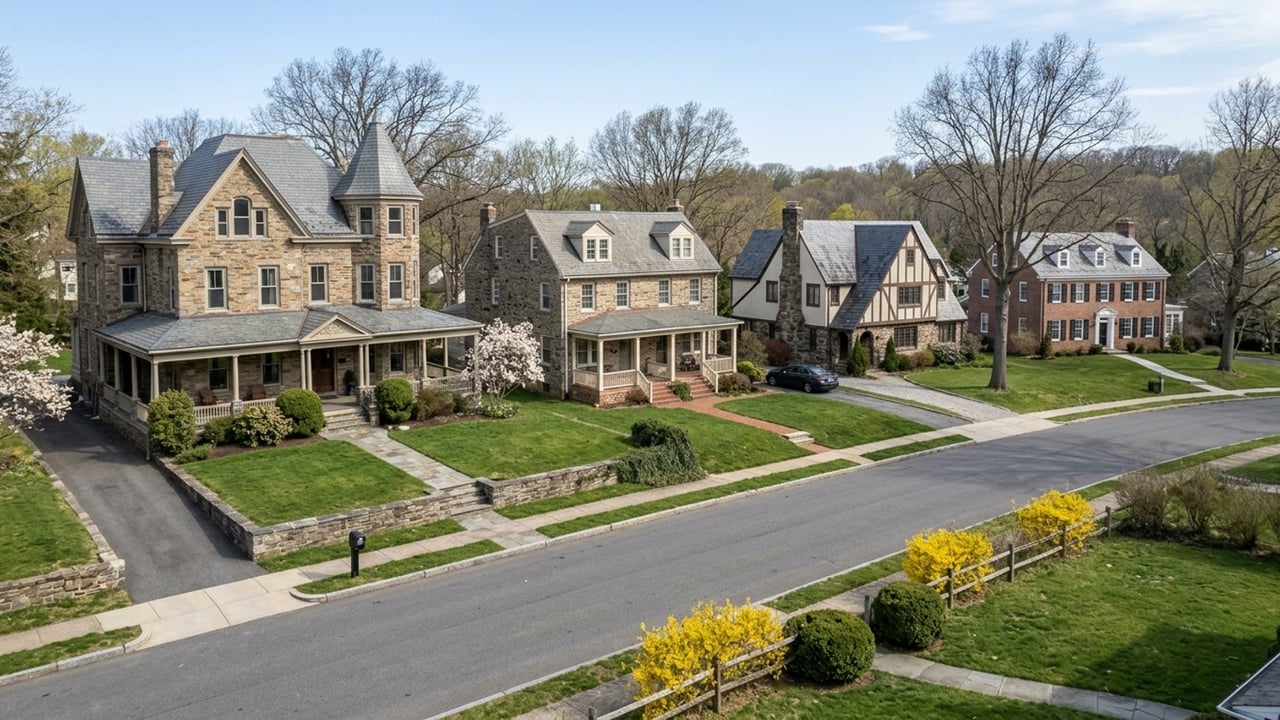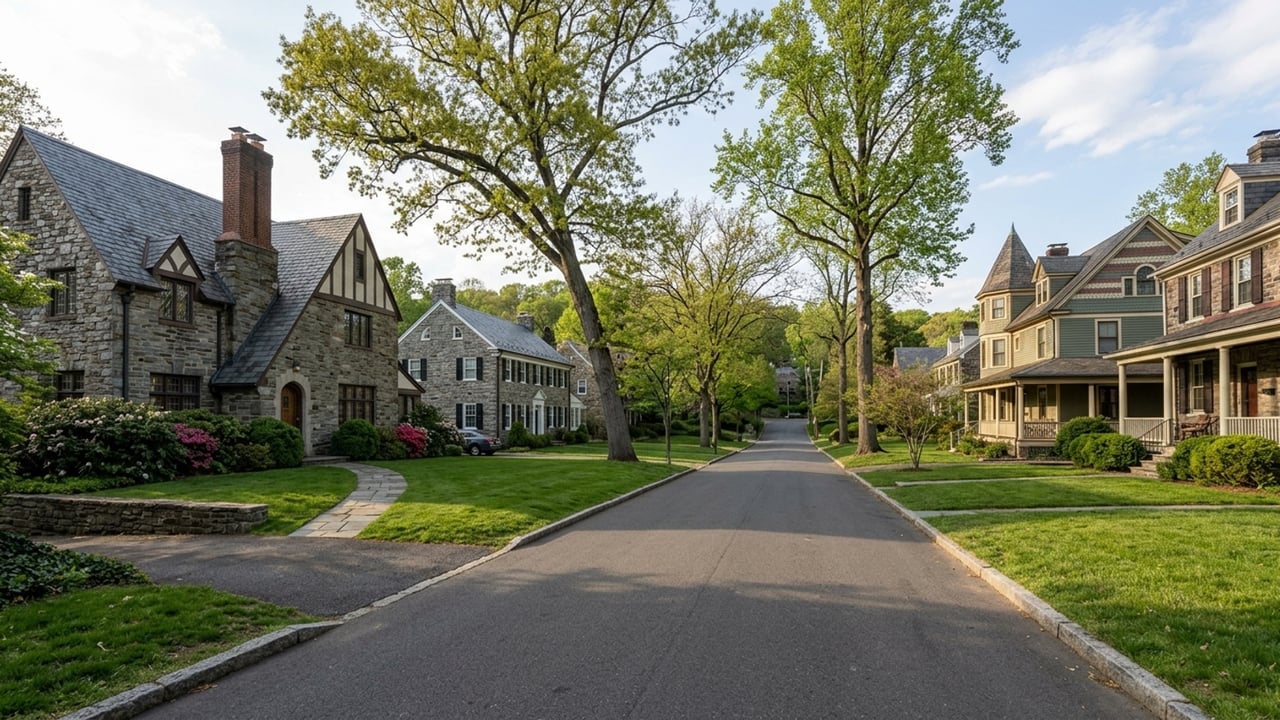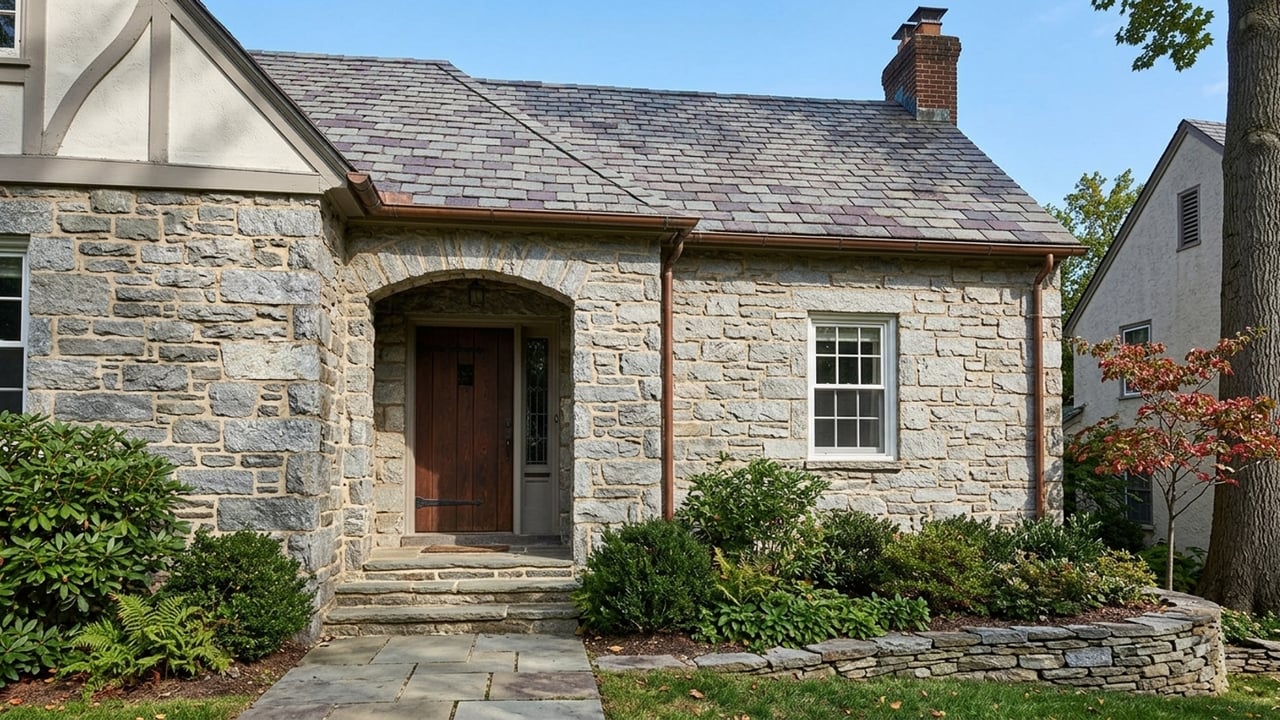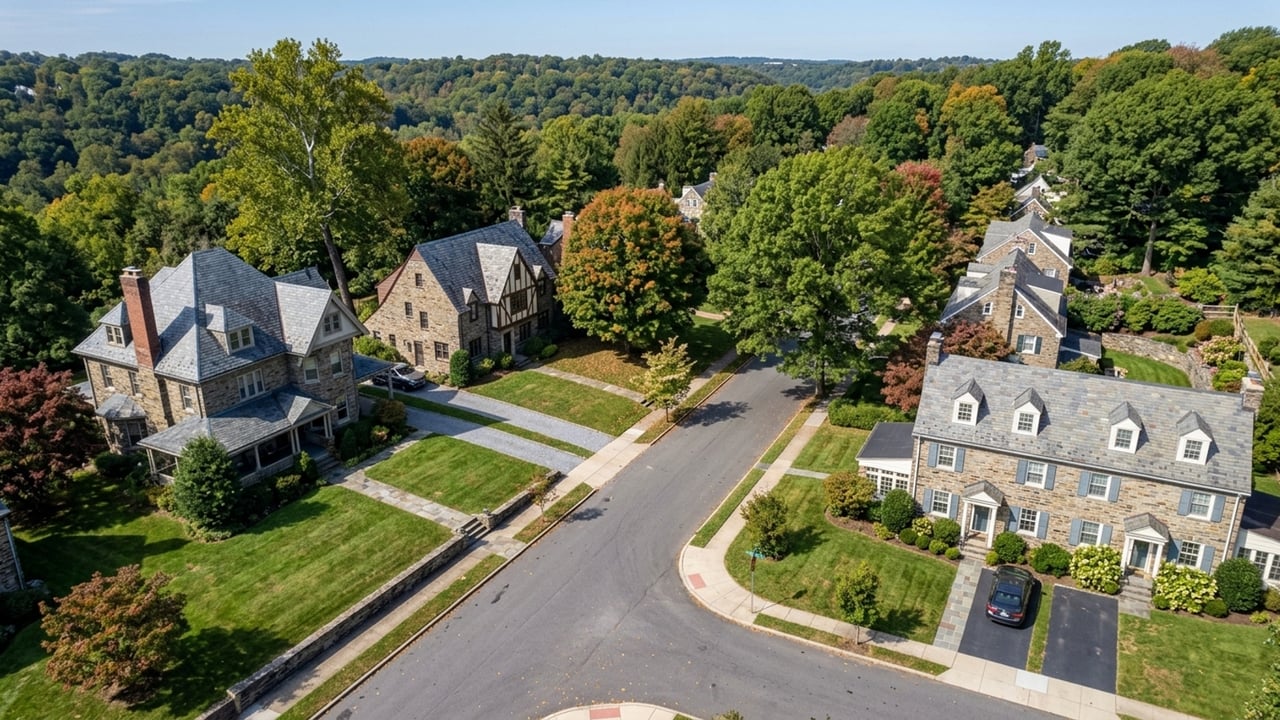
Here's something worth knowing before you price anything: detached houses and townhouses in Chestnut Hill sold for almost the same price per square foot in the 90 days ending September 30, 2026. That means your baseline number comes from measured size and condition, not from whatever headline median you've seen floating around. We also maintain a page about buying a home in Chestnut Hill.
The real choice you face is about timing. Detached houses recently took about two weeks longer to sell than townhouses, but they closed further over asking. For a detached house, plan for a longer listing with a better shot at bids over asking; for a townhouse, expect a faster sale with less room above the list price.
Key takeaway
Price your Chestnut Hill home based on its measured size and condition, not the neighborhood median. Detached houses and townhouses sold for nearly the same price per square foot in the 90 days ending September 30, 2026 (based on 28 combined sales). Detached-house owners should plan for a longer listing with a better shot at bids over asking, while townhouse owners can expect a faster sale with less room above the list price.
Who this guide is for
You own a home in Chestnut Hill and are working out how to price it, how long it may take to sell, and what you'll walk away with.
Chestnut Hill housing market for sellers
Townhouses recently sold for about $389 per square foot based on 17 sales, nearly matching the single-family median. The large gap between the single-family median sale price of roughly $1,999,668 and the townhouse median of $750,000 primarily reflects size, not some qualitative difference in the market. Confirm your exact square footage before you set a price, because every 100 square feet represents roughly $39,000 to $40,000 in value at these rates.
Avoid pricing off the 63.9% year-over-year rise in single-family sale prices (based on only 11 sales). A few large estates can easily swing the math on a sample that small. The overall market for all home types rose a much more modest 2.5% (based on 29 sales), which is the number that tells you something real.
Across the neighborhood, 46.3% of homes sold above their list price during this window. That means more than half did not. A list price set too high will cost you time, not earn you more money.
How to use this guide
Selling a property involves several moving parts, from pricing strategy to closing costs. The questions below will point you to the section that fits your situation.
- Is your home a detached house, a townhouse, or a condo? Go straight to that profile under the property types section below, because each type sells on a different clock.
- Was it built before 1978, is it on the Philadelphia historic register, or does the deed carry a facade easement? If any answer is yes or unknown, read the older and historic homes section before you plan repairs or exterior work.
- Do you have a hard deadline, such as a purchase closing on another home? Compare the days-on-market figures in the detached and townhouse profiles and build in the closing period.
- Do you know your net proceeds? Use the worked example in the costs section and ask your title company for a net sheet.
Selling a detached house, townhouse, or condo
The type of home you own dictates the trade-offs you make when listing. You're generally choosing between a longer listing with a bigger premium, a quicker sale with a thin premium, or thin market data with extra paperwork.
Buyers evaluate these property types on entirely different timelines. If you need help running a per-square-foot comparison for your specific home, Kristin McFeely can pull the local comps.
Selling a detached house
Detached houses take the longest to sell yet draw the strongest bids relative to asking. The median time on market was 35 days for single-family homes in the 90 days ending September 30, 2026, based on 11 sales, and they closed at a 104.6% median sale-to-list ratio. That's about two weeks longer than townhouses, but they sold further over asking.
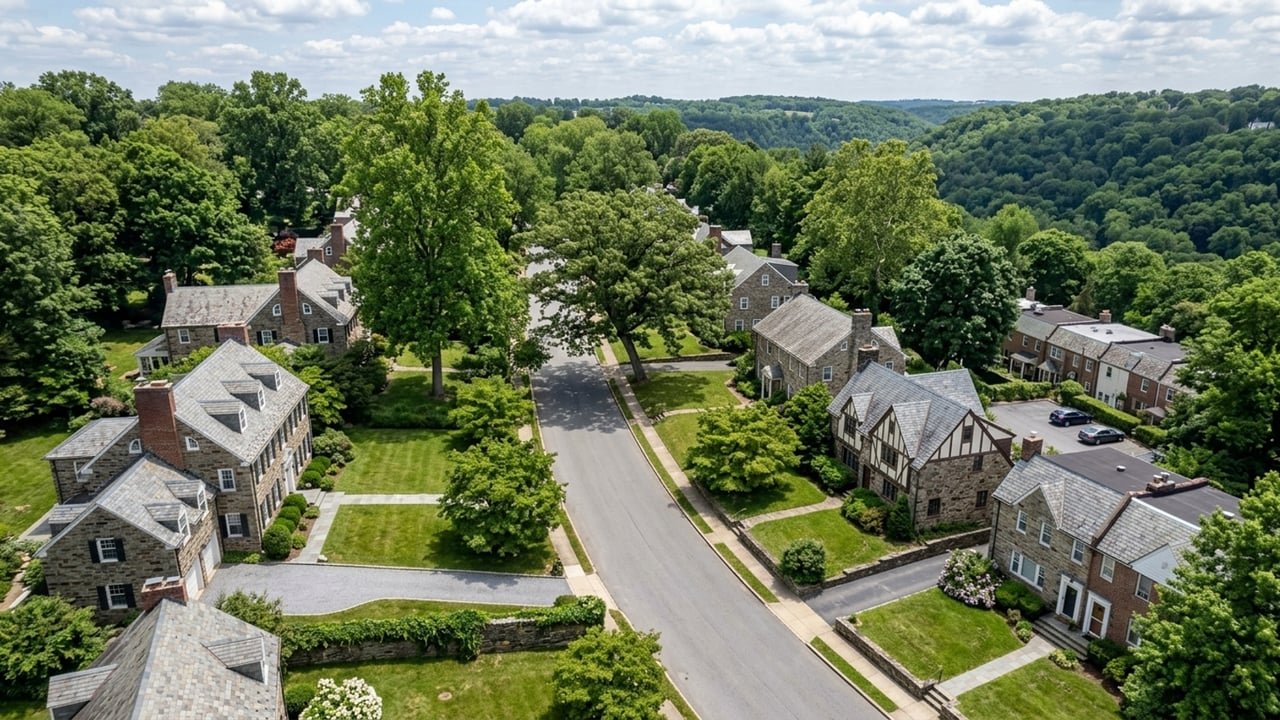
The approach here is to price at the per-foot comparable sales, allow a runway, and resist cutting the price early. Overpricing to leave room for negotiation tends to backfire: the bidding happens when a fair list price draws a crowd. Chestnut Hill's stone and schist housing stock means condition and permitted renovations do a lot of the work in building buyer confidence.
The downside is worth naming plainly. Eleven sales is a thin base, and one unusual estate can move these figures. Treat them as a direction, not a guarantee.
Selling a townhouse
Townhouses have the tightest supply in the neighborhood, which is what favors a quick sale. The market showed just 2.1 months of supply for townhouses based on 17 sales in the 90 days ending September 30, 2026. Buyers price them per foot against detached homes nearby, so measured square footage and condition again set the final number.
A well-priced listing faces little competition and can move fast. What you give up is the bidding cushion: the typical townhouse sold at 101.7% of the asking price. A list price set above market is more likely to produce a stale listing than competing offers.
Selling a condo
Condo sales were too few to report reliable figures, with fewer than 10 sales in the recent 90-day window. Pricing a condo rests entirely on individual recent comparable sales in the exact same building or immediately nearby.
Pennsylvania law requires a condo seller to give the buyer a resale certificate from the association before the sale. Order it early, because buyers' review periods can start from the moment of delivery. With no reliable local median to work from, a condo price is only as good as the handful of comps behind it, and delays in getting association documents can slow the whole transaction. Ask the association for current dues, reserve balances, and any special assessments right away.
Selling an older or historic home
Pennsylvania's Seller Disclosure Law requires a property disclosure statement for most residential sales, and this applies even if you're selling as-is. For homes built before 1978, you must also provide the federal lead-based paint disclosure and accompanying pamphlet.
If the property is individually designated or located in a designated historic district, any exterior work requires review by the Philadelphia Historical Commission. Check your property's status before starting any pre-listing exterior project.
Some homes carry facade or conservation easements held by a preservation organization. Check your deed and contact the easement holder about any review needed at sale. Gather permits for past renovations and additions too, because buyers and their inspectors will ask.
Costs of selling a home in Chestnut Hill
The median sale price for all homes in Chestnut Hill was approximately $939,737 in the 90 days ending September 30, 2026, based on 29 sales. Using that figure gives a rough idea of what you might pay at the closing table.
The combined Philadelphia city and Pennsylvania realty transfer tax rate is currently 4.578%. This tax is customarily split 50/50 between the buyer and the seller in the standard agreement of sale. On a median-priced home, the seller's half of the transfer tax comes to about $21,500.
Real estate commissions remain negotiable and are now arranged off the MLS through direct negotiation, following the August 2024 National Association of Realtors settlement practice changes. Confirm with Philadelphia L&I whether your sale requires any specific use and occupancy or resale certificate. Ask your title company for a seller net sheet using the current transfer tax rate and your actual payoff, or reach out to Kristin McFeely to walk through a net estimate before listing.
Chestnut Hill market at a glance
- All homes, 90 days ending 2026-09-30 (based on 29 sales, a small sample): median sale price $939,737, up 2.5% year over year
- All homes, same window (29 sales): median 24 days on market; 102.9% median sale-to-list; 46.3% sold above list
- All homes, same window: 2.9 months of supply; 27 homes for sale; $391 median price per sq ft
- Single family, 90 days ending 2026-09-30 (based on only 11 sales, treat with caution): median sale price $1,999,668, up 63.9% year over year
- Single family, same window (11 sales): median 35 days on market; 104.6% median sale-to-list; 45.3% sold above list
- Single family, same window: 3.5 months of supply; 13 homes for sale; $400 median price per sq ft
- Townhouse, 90 days ending 2026-09-30 (based on 17 sales, a small sample): median sale price $750,000, up 24.5% year over year
- Townhouse, same window (17 sales): median 22 days on market; 101.7% median sale-to-list; 46.8% sold above list
- Townhouse, same window: 2.1 months of supply; 12 homes for sale; $389 median price per sq ft
- Condos, same window: fewer than 10 sales, too few to report
Frequently asked questions
What is the hardest month to sell a house?
The local market records don't provide month-by-month breakdowns for Chestnut Hill, so there's no specific hardest month on record here. The most recent window from July through September 2026 still saw a brisk 24-day median time on market for all homes, based on a small sample of 29 sales. Nationally, a Realtor.com analysis points to mid-April as the best time to list, but sellers should weigh their own readiness and competing inventory over the calendar.
Who pays the closing fees when you buy a house?
The realty transfer tax is customarily split evenly between the buyer and the seller. The buyer typically pays lender and title insurance costs, while everything else remains negotiable in the agreement of sale. Check the costs section above for a dollar example of the seller's transfer tax share.
Sources
- Redfin: Data Center
- City of Philadelphia: Realty Transfer Tax
- RS Law Group: Transfer Tax Laws
- EPA: Lead-Based Paint Disclosure Rule
- BiggerPockets: Balanced Market Threshold
- Yahoo Finance: Best Time to Sell a House
- NYSAR: NAR Settlement Practice Changes
- Philadelphia Office of Property Assessment: Property Search