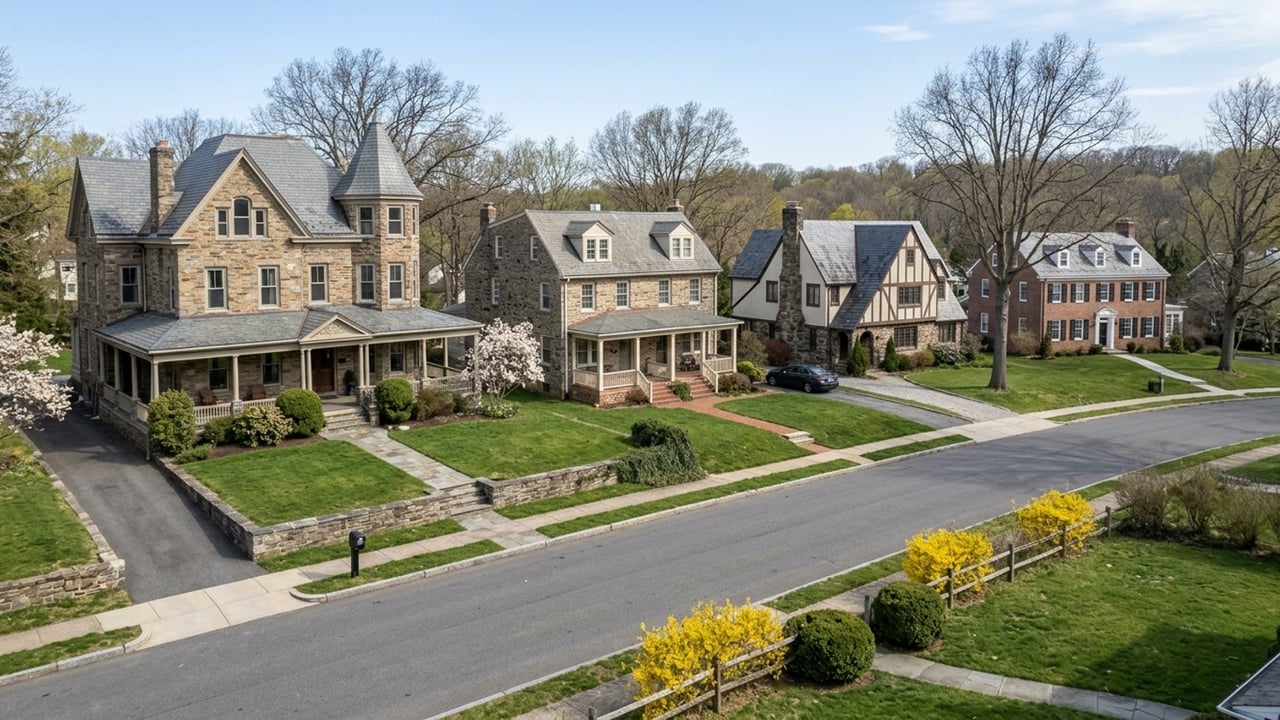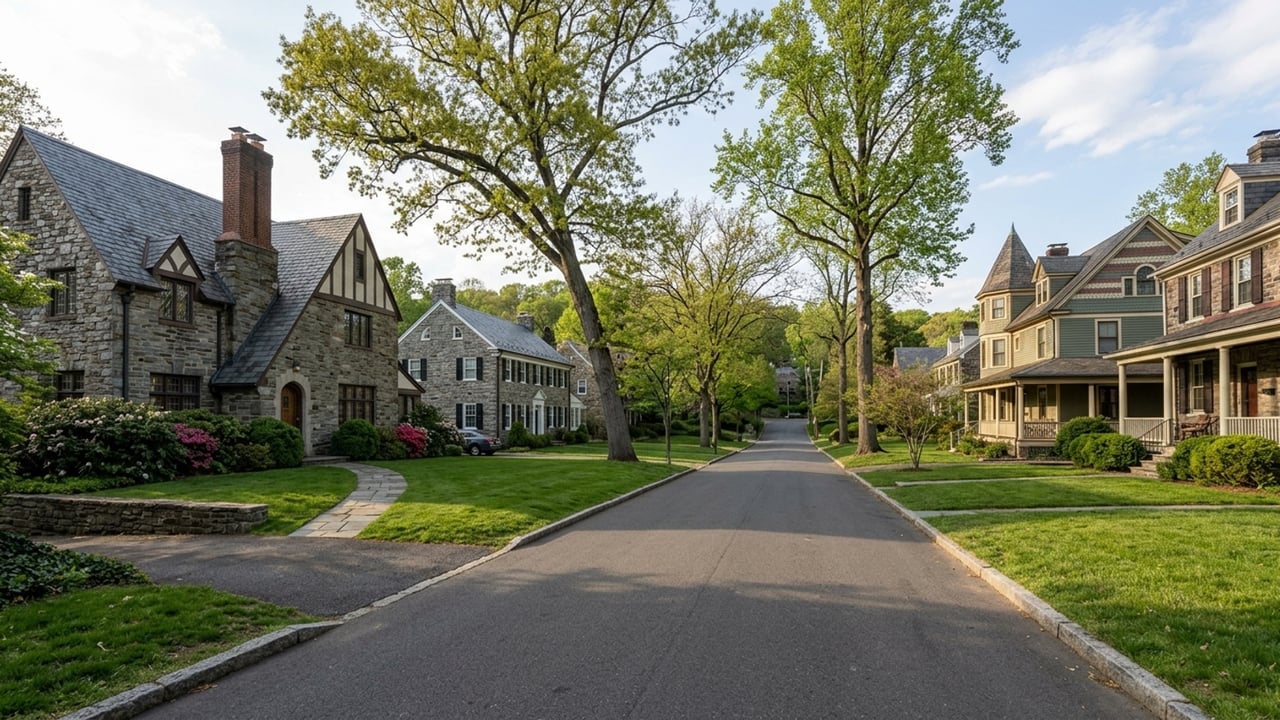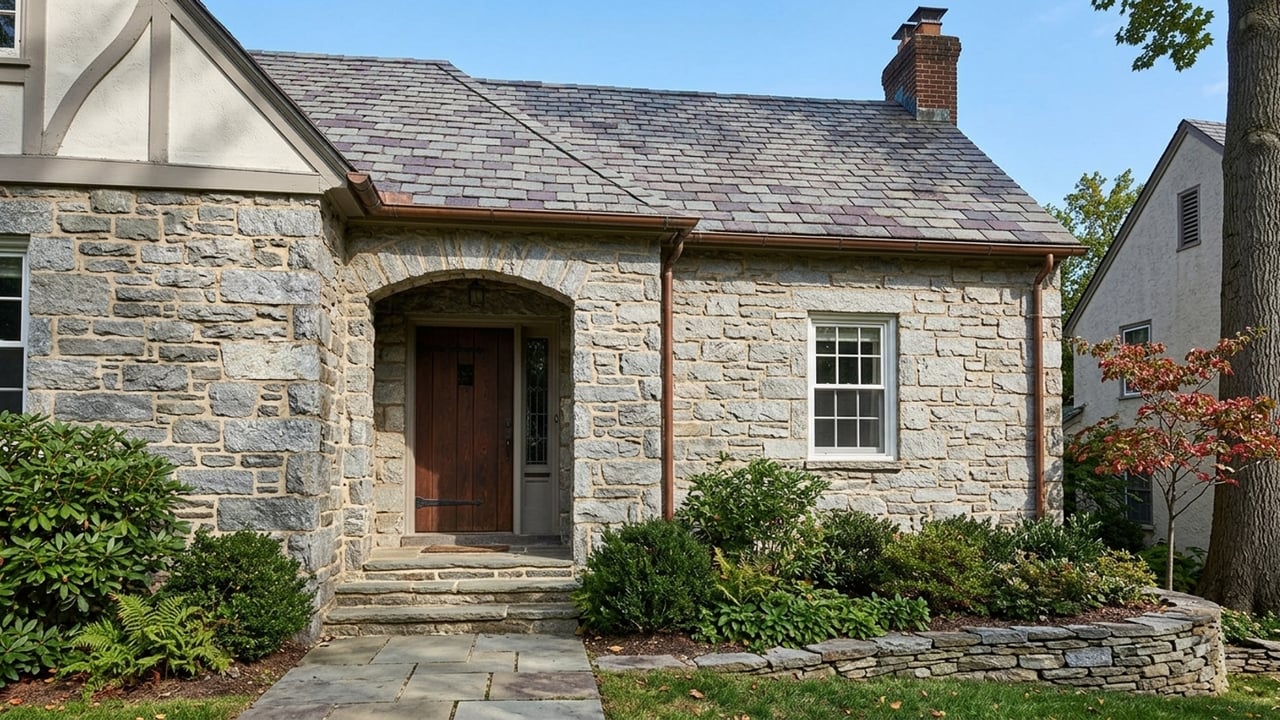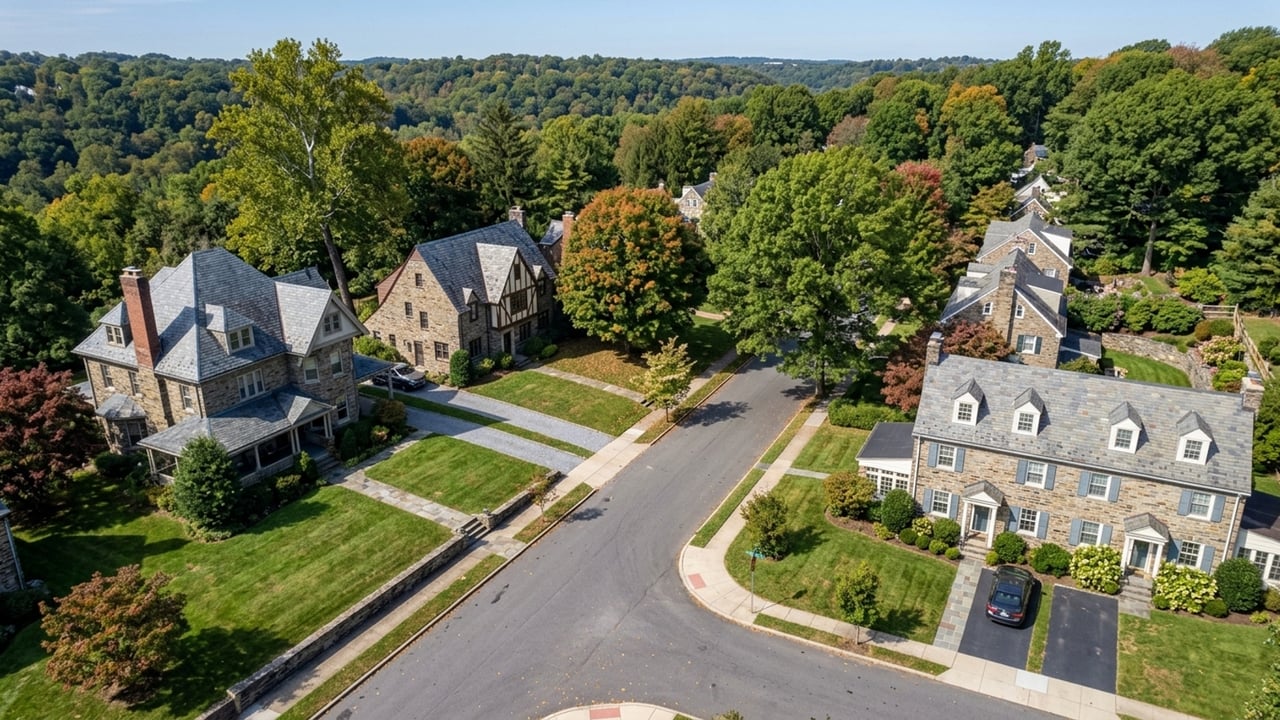
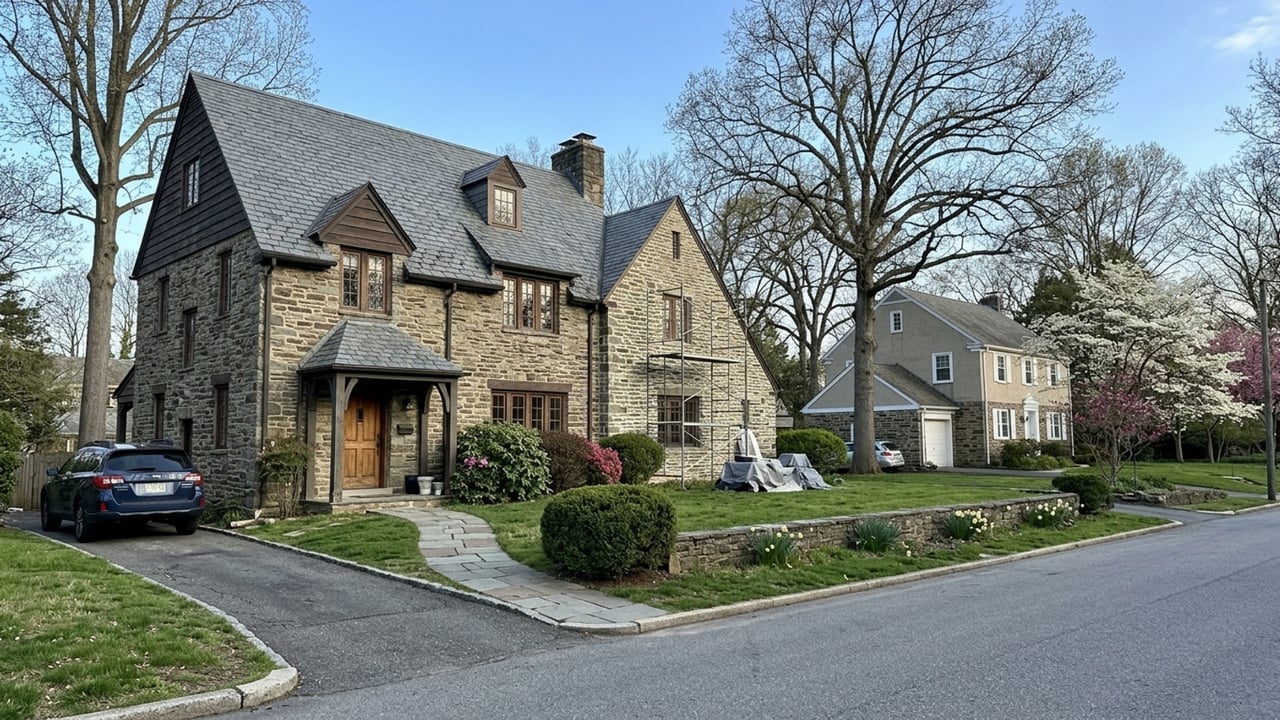
Chestnut Hill homes recently sold at a median above list price, with nearly half going over asking, based on 29 sales in the 90 days ending September 30, 2026. When you're buying into a market where bidding over asking is routine, the price you pay upfront directly shapes what you have left for the property itself. Preparation is essential when buying a historic home in Chestnut Hill.
Older homes here add another layer: you're balancing modern system upgrades against historic preservation rules. That means confirming which approvals apply before you sign anything, pricing out specialized labor like lime-mortar repointing, and finding contractors who follow lead-safe practices.
Key takeaway
If you're buying an older Chestnut Hill house to renovate, set the renovation budget before you set your offer. Check the Philadelphia Register first to see what exterior rules apply. If you want the smallest project with the least money at risk, start with townhouses, but expect fixed costs like a roof to take a larger share of the home's total value.
Who this guide is for
You're weighing an older Chestnut Hill house that needs work, or planning changes to one you already own, and trying to figure out how much to spend and which approvals and repairs to plan for.
Setting your budget before writing an offer
In a market where more than 46% of homes sold above list and supply sits at 2.9 months, based on 29 sales in the 90 days ending September 30, 2026, stretching on price means shrinking the restoration budget. Buyers rarely negotiate a discount large enough to absorb surprise repairs after the fact. Price the work into your plans before you bid.
The local market data doesn't separate homes by age, so these figures describe Chestnut Hill sales overall. Check the At a glance section below for a breakdown of recent market numbers to help frame your initial estimates.
Checking if local historic rules apply to your property
Where a property sits within the designation system determines what you can and can't do to it. Chestnut Hill's neighborhood-wide historic designation is primarily at the federal level on the National Register of Historic Places, added in 1985. Per the National Park Service, that federal listing places no restrictions on what a private, non-federal owner can do with their property, up to and including destruction, unless the project receives federal assistance.
The local Philadelphia Register of Historic Places is what triggers permit review for exterior work. The Philadelphia Historical Commission has permit review jurisdiction over properties listed on this local register. If your address appears there, either individually or within a smaller local district like the Druim Moir Historic District, you'll need Commission approval before touching the exterior, including facades and roofs.
Commission staff can often approve a building permit application directly. If the scope exceeds their authority, the application moves to a formal review by the Architectural Committee and Historical Commission. Permits still run through the Department of Licenses and Inspections, which requires historically designated buildings to have prior Commission approval for alterations.
Ask the seller for prior Commission approvals and any open violations. Pull the property's permit history. Check the address on the Philadelphia Register lookup map before you even tour.
Budgeting for an older property based on purchase price
A widely cited rule of thumb is to keep total renovation spending to about 30% of the home's value. At the all-homes median of $939,737, based on 29 sales in the 90 days ending September 30, 2026, that guideline works out to roughly $281,900.
Buyers here generally pay for size rather than house type. Over that same 90-day period, single-family homes priced at roughly $400 per square foot, while townhouses priced almost identically at $389 per square foot. Because materials and labor costs don't change with house type, the same flat contractor bill will consume a very different percentage of your budget depending on what you buy.
Townhouse restorations
At the $750,000 townhouse median, based on 17 sales over the 90 days ending September 30, 2026, the guideline caps a project near $225,000. A slate roof, full rewiring, and front-facade repointing cost roughly the same on a narrower house as they do on a larger one, so these fixed items burn through your cap much faster. Ask the seller about the condition of the party walls and any prior shared roof or masonry repairs.
Townhouses are the fastest-moving property type in the area, selling in a median 22 days on market. That's a short window to get a contractor into the property before you commit. Book a contractor walkthrough during the first week of showings. The fixed costs of an old building are a bigger share of a townhouse's value, and the pace of the market gives you the least time to collect estimates before you have to decide.
Single-family detached house restorations
At the $1,999,668 single-family median, based on 11 sales over the 90 days ending September 30, 2026, the guideline leaves room near $599,900, generally enough for a full systems overhaul plus significant design work. That said, this median rests on only 11 sales, and the 63.9% year-over-year jump most likely reflects which specific houses happened to sell rather than the market rising by that amount. Use it as a rough frame, not a valuation for any particular house.
A larger detached house typically means more exterior surface area, including roofs, windows, and stone walls. If the property is on the Philadelphia Register, that exterior is exactly what falls under Historical Commission review. The sales numbers are too thin to anchor a firm budget, and the bigger the house, the more of the work is exterior, which is both the part most likely to grow in cost and the part most likely to require approvals.
Common repairs to plan for in older properties
Systems work almost always comes first. Ask your inspector specifically about knob-and-tube wiring, early electrical setups, and galvanized or cast-iron plumbing. Ask your insurer whether they'll cover the house with its existing wiring before your inspection contingency expires. That answer sometimes changes the whole project sequence.
Homes built before 1978 carry a federal lead-based paint disclosure requirement. Under EPA rules, firms performing projects that disturb lead-based paint in these homes must be certified and use certified renovators who follow lead-safe work practices. Test suspect materials like pipe insulation and older flooring for asbestos before any demolition begins.
Stone masonry is its own category. Hard modern mortar can damage historic stone over time. The National Park Service explains that repointing should replace deteriorated joints with new mortar that is generally softer and more vapor-permeable than the surrounding masonry units, often requiring lime-based mixtures. Get the inspector to assess the mortar joints so you can budget for these repairs before you start thinking about interior finishes.
Funding options, tax credits, and preservation easements
The federal Historic Rehabilitation Tax Credit provides a 20% income tax credit for the rehabilitation of certified historic structures, but owner-occupied residential properties don't qualify. The building must be used for an income-producing purpose for at least five years. Pennsylvania's Historic Preservation Tax Credit similarly targets income-producing properties, offering tax credits up to 25% of qualified expenditures, or a higher rate for workforce housing. There are no Pennsylvania tax credit programs available to private, non-income-producing homeowners. Confirm your eligibility with a tax professional.
The City of Philadelphia offers the Restore, Repair, Renew (RRR) program through the Philadelphia Housing Development Corporation. Participating lenders provide 10-year, 3% fixed APR loans ranging from $2,500 to $50,000 to eligible homeowners for home repairs. As of 2025, the program had reached 600 homes repaired. For a purchase, renovation mortgages such as the FHA 203(k) loan can roll repairs directly into the primary purchase loan. Confirm renovation loan limits with a lender.
Some properties carry preservation easements that bind future owners. Ask the title company whether a preservation or facade easement is recorded on the deed before you close.
Questions to ask before you buy
Narrow down your strategy by asking a few practical questions about the specific property.
- Is the house on the Philadelphia Register of Historic Places, either individually or inside a designated district? If yes, exterior work will need Historical Commission review.
- Does the purchase price plus the work you want stay under the share of value you're comfortable with?
- Are the wiring, roof, and masonry sound, or is this a systems-first project before any design work?
- Will any part of the property produce rental income? The historic tax credits depend on it.
Hiring contractors with older-home experience
Experience with older properties matters because historic materials require specific techniques. Contractors need to understand lime mortar applications, how to preserve original windows, and EPA lead-safe practices.
When interviewing bidders, ask about their experience handling Philadelphia Historical Commission submissions, their RRP certification status, and references on comparable stone or frame houses. Having a professional like Kristin McFeely walk a property with you can help flag what to price in before making an offer.
At a glance
- All homes, median sale price: $939,737, up 2.5% year over year (29 sales, 90 days ending Sept 30, 2026)
- All homes, median days on market: 24 (29 sales, 90 days ending Sept 30, 2026)
- All homes, median sale-to-list: 102.9%; 46.3% sold above list (29 sales, 90 days ending Sept 30, 2026)
- All homes, months of supply: 2.9; inventory: 27 (90 days ending Sept 30, 2026)
- All homes, median price per square foot: $391 (29 sales, 90 days ending Sept 30, 2026)
- Single-family, median sale price: $1,999,668, up 63.9% year over year (based on only 11 sales, 90 days ending Sept 30, 2026)
- Single-family, median days on market: 35; sale-to-list: 104.6%; 45.3% sold above list (11 sales, 90 days ending Sept 30, 2026)
- Single-family, months of supply: 3.5; inventory: 13; median price per square foot: $400 (11 sales, 90 days ending Sept 30, 2026)
- Townhouse, median sale price: $750,000, up 24.5% year over year (based on 17 sales, 90 days ending Sept 30, 2026)
- Townhouse, median days on market: 22; sale-to-list: 101.7%; 46.8% sold above list (17 sales, 90 days ending Sept 30, 2026)
- Townhouse, months of supply: 2.1; inventory: 12; median price per square foot: $389 (17 sales, 90 days ending Sept 30, 2026)
FAQ
Are historic homes harder to sell?
It depends on condition. The local market data doesn't separate homes by age, but Chestnut Hill homes overall sold in a median of 24 days, based on 29 sales in the 90 days ending September 30, 2026, which gives no sign of slow demand. What tends to slow a sale is the home's condition and unresolved issues, such as open violations or unpermitted work, rather than age itself.
What devalues a house most?
For historic houses, unpermitted or unapproved exterior changes cause significant problems, since a buyer can inherit a violation if the property is on the Philadelphia Register. Removed original features and deferred systems work also detract from value. Buyers and inspectors look closely for these issues, so pull the permit history to confirm past work was approved.
How to increase home value by $50,000?
Adding finished living area is the most reliable method. At the all-homes median of $391 per square foot, based on 29 sales in the 90 days ending September 30, 2026, that sum is roughly what 128 square feet sells for. Appraisers value homes by comparable sales, and below-grade or attic space may not count, so ask an appraiser before you build.
Sources
- Redfin: Data Center
- Philadelphia Historical Commission: Get approval for work to a historic property
- Wikipedia: Chestnut Hill Historic District (Philadelphia)
- National Park Service: National Register of Historic Places FAQs
- Philadelphia Department of Licenses and Inspections: EZ Permit Standards
- EPA: Lead Renovation, Repair and Painting Program Rules
- National Park Service: Preservation Brief 2 - Repointing Mortar Joints
- National Park Service: Tax Incentives Eligibility Requirements
- Pennsylvania DCED: Historic Preservation Tax Credit (HPTC)
- PHDC: News and Events