Thinking about trading a Philly rowhome for a little more breathing room across the river? You are not alone. For many Philadelphia buyers, Ocean County and towns like Lakewood offer a different kind of daily life, with more detached homes, more outdoor space, and a different rhythm from the city grid. If you are weighing that move, this guide will help you understand what South Jersey homes often offer, what trade-offs come with them, and how to tell if the lifestyle fits you. Let’s dive in.
How South Jersey feels different
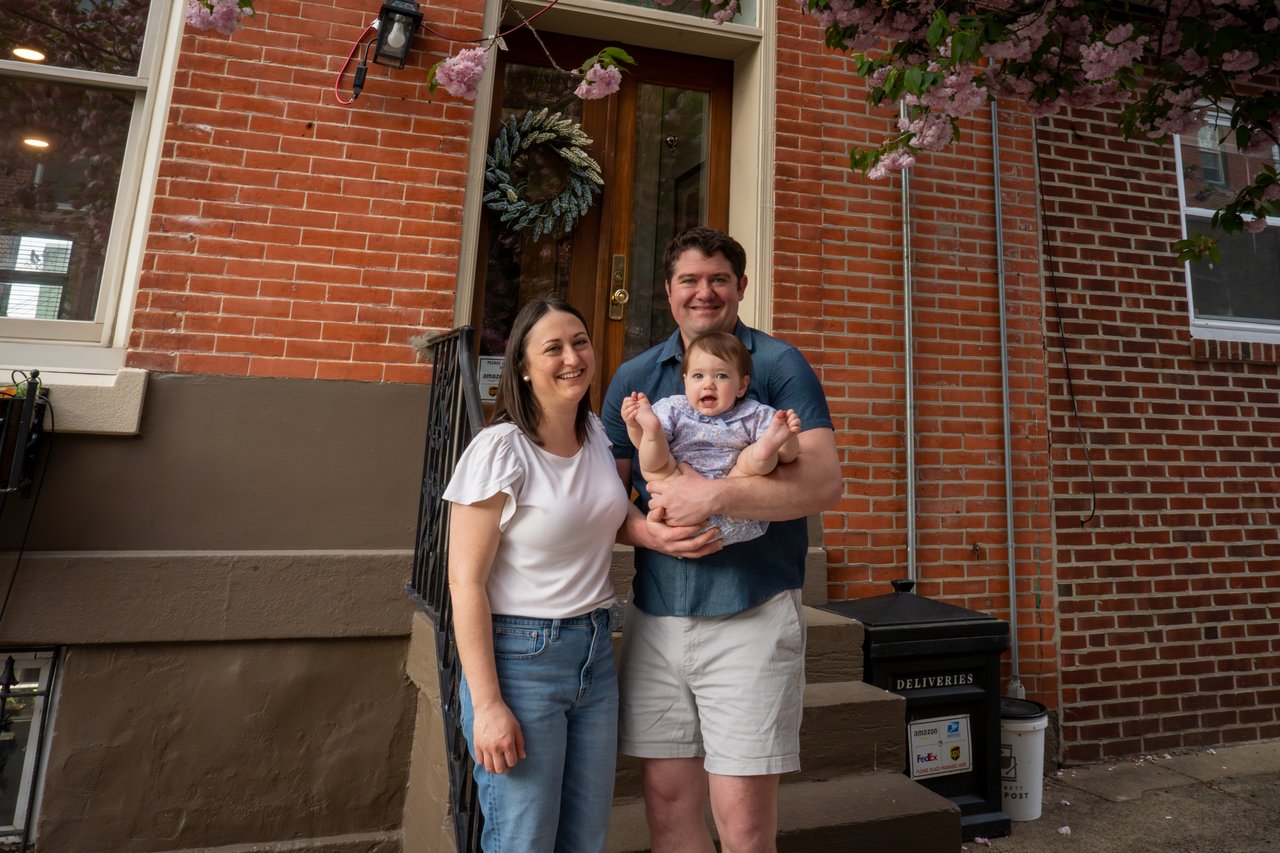
If you live in Philadelphia now, your idea of home may be shaped by attached housing, compact lots, and block-by-block city living. Philadelphia’s own rowhouse materials describe the city as a rowhouse city, and the city says rowhomes make up about 60% of its housing stock.
That matters because Ocean County looks very different. According to the county housing profile, there are 286,170 housing units in Ocean County, including 216,383 detached single-unit structures. For many Philly buyers, that means your first big shift is moving from shared-wall living to a home that stands on its own lot.
Detached homes are a major draw
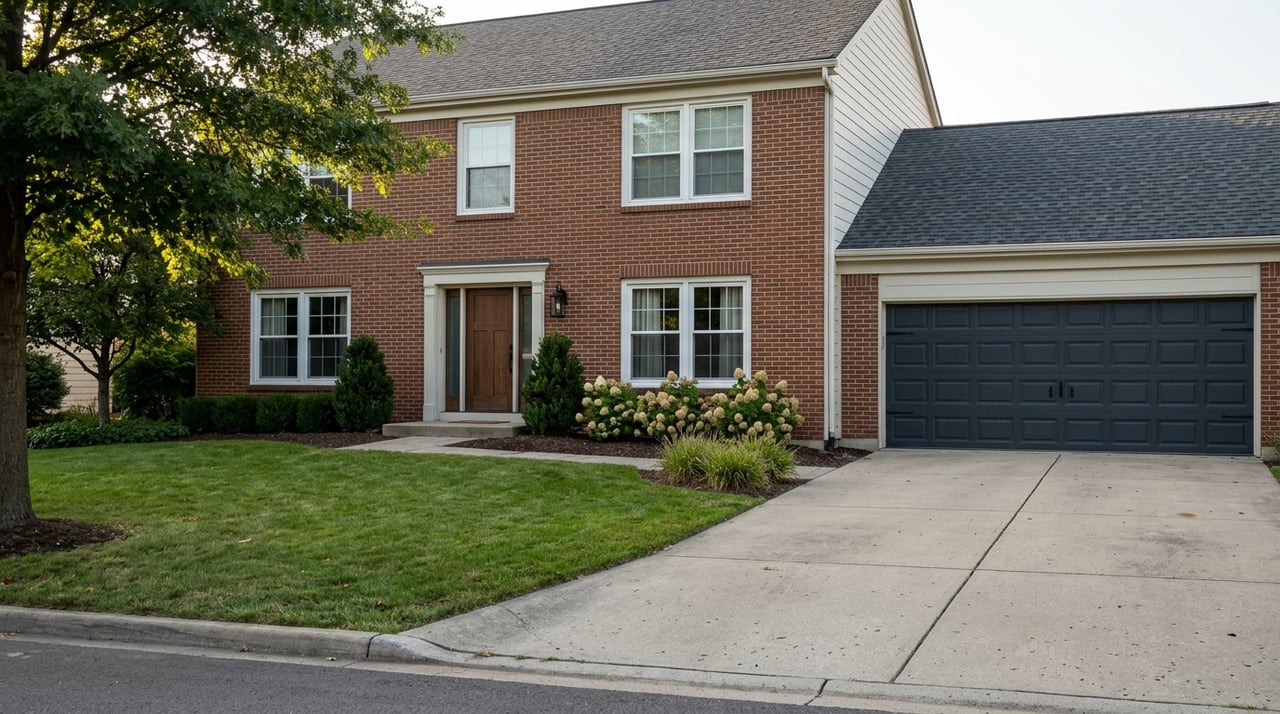
For a lot of buyers, the biggest appeal is simple: more separation between your home and the next one. In Philadelphia, rowhomes are often narrow, attached, and built in a one- to four-story form. In Ocean County, the detached housing mix means you are more likely to tour stand-alone houses instead.
That can change how home feels day to day. You may find more private outdoor space, less shared-wall living, and a setup that feels less compressed than a typical city block. It is one of the clearest differences Philly buyers notice when they start touring South Jersey homes.
What this can mean for you
- More chances to find a detached house
- More likelihood of a private yard or outdoor area
- Less dependence on attached-home layouts
- A different sense of separation from nearby homes
Lot size and parking often improve
One of the most practical changes for Philly buyers is how land gets used. Lakewood’s zoning office says the township’s Unified Development Ordinance regulates things like minimum lot area, setbacks, building height, and accessory building location. The township’s reexamination report includes residential minimum lot sizes in the 12,000-, 15,000-, and 40,000-square-foot range.
You do not need to memorize zoning rules to understand the takeaway. In this part of South Jersey, house hunting is more likely to include conversations about driveways, garages, sheds, and how much yard you want to maintain. That is a very different search than looking at a compact rowhome lot in Philadelphia.
Parking can be a big lifestyle upgrade too. If curbside parking stress is part of your city routine, the possibility of off-street parking may feel like a real quality-of-life change.
The trade-off to expect
More land usually means more responsibility. A larger yard, detached accessory structures, and more exterior space can be appealing, but they also bring upkeep. If you are moving from a rowhome, this is one of the most important mindset shifts to make early.
Floor plans work differently
Square footage tells part of the story, but layout often matters more. Philadelphia rowhouses use space efficiently, often stacking rooms vertically on narrow footprints. The city’s rowhouse manual notes forms ranging from very small trinity houses of roughly 400 to 600 square feet to larger rowhouse types around 1,000 to 1,800 square feet.
Ocean County offers a wider spread of bedroom counts. County housing data shows 35.2% of units have two bedrooms, 32.8% have three, 18.6% have four, and 6.0% have five or more. For you as a buyer, that means three- and four-bedroom options are common enough to make South Jersey worth a serious look if you want more room without jumping into an oversized home.
Why the layout shift matters
In many South Jersey homes, space is spread across a detached footprint instead of stacked tightly in a vertical rowhome plan. That can create more separation between living areas, sleeping areas, and outdoor space. If you work from home, need room for guests, or want a more flexible setup, that shift may be a real advantage.
Lifestyle is less block-by-block
One thing Philly does exceptionally well is everyday convenience at the block level. In many rowhouse neighborhoods, you can feel the density of the city in your daily routine, from sidewalks and corner stores to quick walks and compact streets.
South Jersey can still offer a neighborhood-centered lifestyle, but it usually works differently. New Jersey’s Main Street guidance describes downtowns as compact, mixed-use centers that serve as the commercial and civic heart of a town, often with short blocks, on-street parking, wide sidewalks, and pedestrian-friendly design.
That means walkability may still be part of your life, but it is often concentrated around a town center or Main Street rather than spread evenly across an entire neighborhood grid. If you are used to stepping outside and having everything feel immediately connected, this is an important difference to picture honestly.
Parks and outdoor access stand out
If outdoor space is high on your list, Ocean County has a strong case to make. Ocean County Parks and Recreation says the county offers 27 parks and conservation areas with more than 4,000 acres of preserved land. Those spaces support hiking, biking, swimming, canoeing, fishing, ball fields, tennis courts, and playgrounds.
For many buyers, that creates a different kind of lifestyle value than city density does. Instead of relying mostly on a neighborhood park a few blocks away, you may have access to a broader county park system and larger preserved spaces for weekend routines and everyday recreation.
A different version of convenience
This does not mean one lifestyle is better than the other. It means the convenience changes shape. In Philly, convenience may mean dense streets and close-by daily errands. In Ocean County, it may mean easier parking, more exterior space, and parks that support a bigger outdoor routine.
Ocean County is not one-size-fits-all
A common mistake buyers make is treating South Jersey like one single housing type. Ocean County includes detached suburban areas, downtown-oriented municipalities, and shore communities with a different feel through the year.
That variation matters. The county needs assessment says seasonal housing units make up 15% of total residential structures. In shore communities, occupancy patterns and neighborhood rhythm can feel different from inland towns, especially across seasons.
Ocean County also has numerous senior living and retirement communities, which helps explain why the area can appeal to downsizers as well as upsizers. So if you are comparing options, it is smart to think town by town instead of assuming every South Jersey move delivers the same lifestyle.
What Philly buyers usually gain
When buyers move from Philadelphia to places like Lakewood and the broader Ocean County area, a few benefits tend to come up again and again. These are less about one perfect house and more about the kind of housing stock you are likely to see.
Common advantages
- A higher chance of finding detached single-family housing
- Better odds of off-street parking
- More private outdoor space
- More homes with three or four bedrooms
- Access to county parks and preserved open space
What Philly buyers usually give up
Every move is a trade. If South Jersey gives you more space and a different housing form, it may also mean losing some of the immediacy that makes Philadelphia living feel easy and connected.
Common trade-offs
- Less block-by-block density
- Fewer attached, urban-style streetscapes
- Walkability that may center on downtown areas instead of entire neighborhoods
- More exterior maintenance and yard responsibility
How to decide if the move fits
The best way to compare Philadelphia and South Jersey is not to ask which one is better. It is to ask which daily routine feels more like the life you want next.
If you want a detached home, more parking options, and room to spread out, South Jersey may check important boxes. If you love the built-in energy, immediacy, and compact walkability of a Philly rowhome neighborhood, you will want to weigh that carefully before making a move.
A thoughtful search should look beyond bedroom count and square footage. Pay attention to how each home supports your morning routine, your weekends, your storage needs, your commute patterns, and how much exterior upkeep you actually want.
At Philly Home Collective, we love helping buyers think through that bigger picture. If you are comparing city living with South Jersey options, Philly Home Collective can help you find the right fit for the life you want to live.
FAQs
What do South Jersey homes in Ocean County usually offer Philly buyers?
- South Jersey homes in Ocean County often offer a better chance at detached housing, more parking options, and more private outdoor space than a typical Philadelphia rowhome setup.
How is housing in Philadelphia different from Lakewood and Ocean County?
- Philadelphia is heavily shaped by attached rowhomes, while Ocean County has a much larger share of detached single-unit housing, which changes layout, lot size, and day-to-day living.
Can you still find walkable areas in South Jersey towns?
- Yes. In many South Jersey towns, walkability is most often centered around a downtown or Main Street area rather than spread evenly across an entire neighborhood grid.
Are three- and four-bedroom homes common in Ocean County?
- Yes. County housing data shows that three-bedroom and four-bedroom homes make up a meaningful share of the housing stock, which gives buyers a solid range of options.
What is the trade-off for Philly buyers moving to South Jersey?
- The usual trade-off is gaining more land, parking, and detached housing while giving up some of Philadelphia’s density, immediacy, and block-by-block walkability.
Does every Ocean County town feel the same for homebuyers?
- No. Ocean County includes inland communities, downtown-oriented municipalities, and shore areas with seasonal housing patterns, so the lifestyle and housing experience can vary a lot by town.