
Having grown up in Bucks County, decamping to Oregon for 15 years, and now spending my free time exploring Philadelphia and its suburbs, I’ve had a front-row seat to the city-versus-burbs debate. My background in urban planning means I naturally pay attention to how neighborhoods grow and change, but I also know moving decisions are deeply personal. The question of when to leave the city for the suburbs honestly consumed me for years, and through my work in real estate I’ve helped many people navigate that exact decision. I recently made the move to the suburbs myself, specifically Erdenheim in Montgomery County, which gave me an even deeper appreciation for how nuanced this choice really is. If you’re wondering whether it’s time for more space, quieter streets, or simply a different pace, this guide is meant to help you sort through the real questions behind that decision.
At some point, almost every person living in Philadelphia has the same conversation. Usually after circling for parking, hearing upstairs neighbors at midnight, or trying to fit a stroller (and a dog) into a rowhome hallway.
“Should we move to the burbs?”
Some people say it's like a betrayal. Others treat it like the end goal. The truth? It’s not really about city vs. suburbs. It’s about what your daily life looks like right now.
Here’s a real-world guide to help you figure out which side of the debate you’re on.
1. Let’s Talk Lifestyle (Because This Is Usually the Real Decider)
City life means
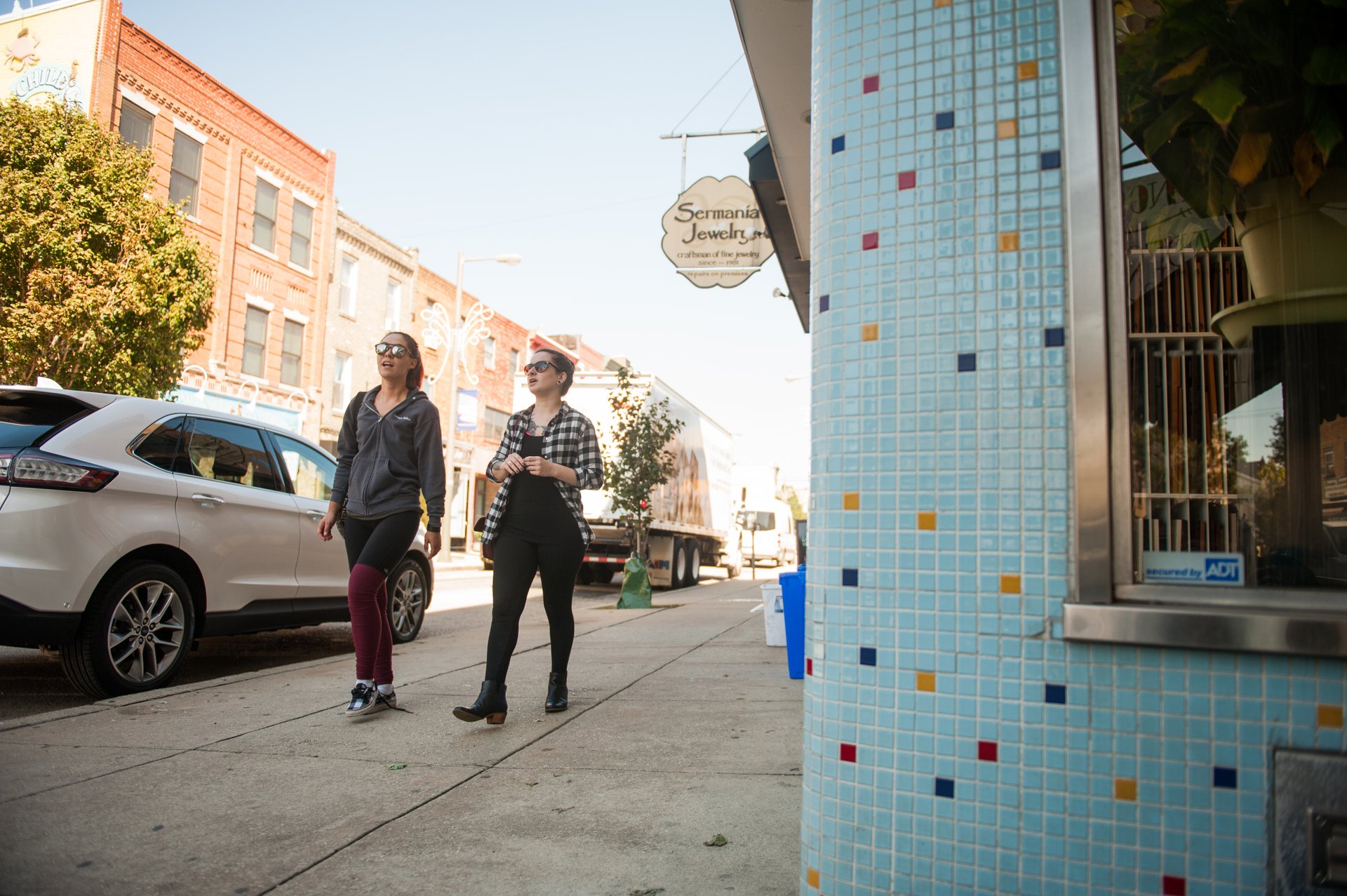
Walking to coffee, dinner, or your favorite corner store
Spontaneity (“Want to grab drinks?” = drinks 10 minutes later)
Smaller spaces but bigger access to everything
Suburb life tends to mean
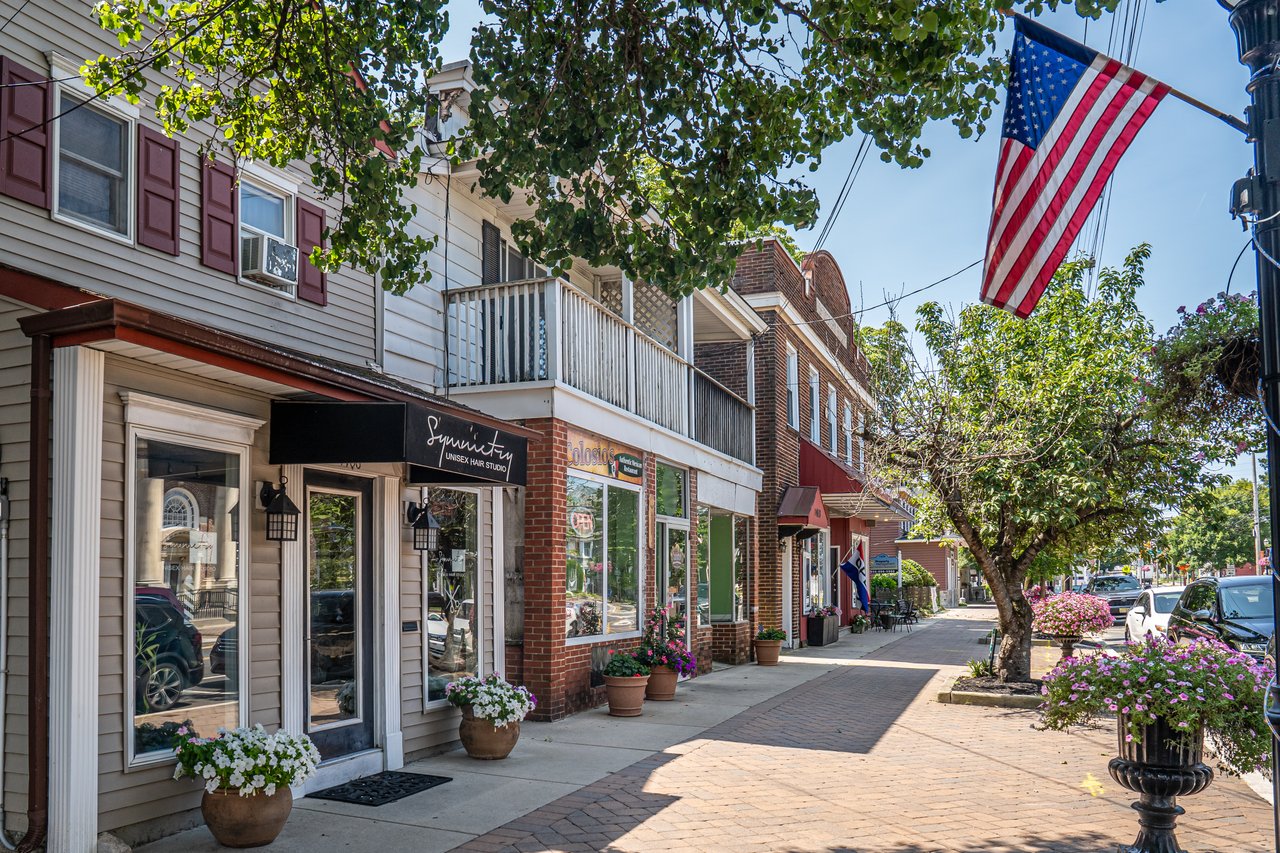
More space, quieter streets, and actual yards
Easier parking and less daily chaos
Unloading groceries and kids from your driveway
Weekends that revolve around plans instead of just stepping outside
Neither is better — they’re just different rhythms.
If your current lifestyle feels energizing, you may still be a city person. If it feels exhausting lately… that’s information.
2. The Space Question (A Very Philly Problem)
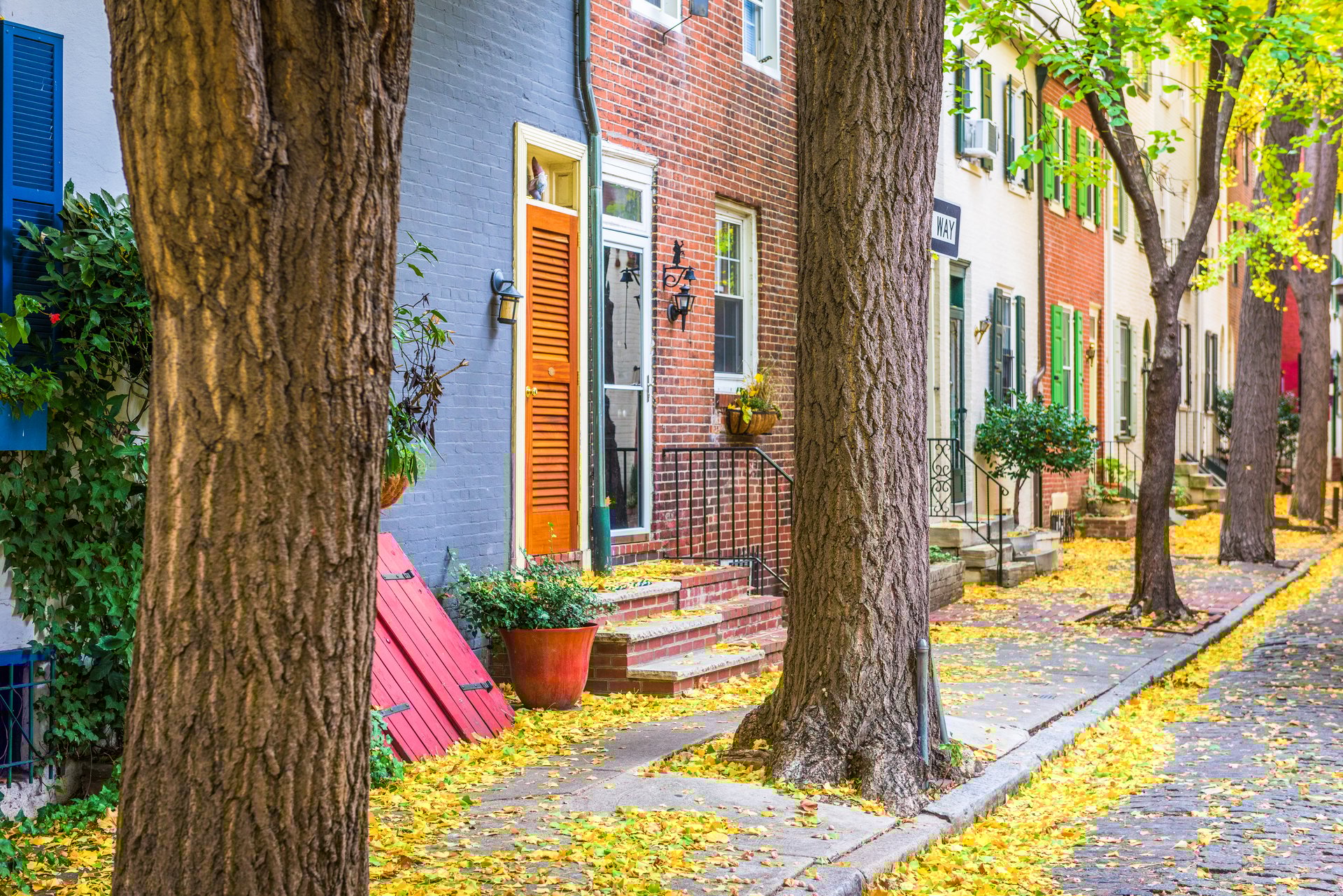
Philadelphia rowhomes have charm. They also have narrow stairs, creative storage solutions, and sometimes one bathroom for everyone.
A lot of people start thinking about the suburbs when
They’re working from home and need real office space
Kids (or pets) suddenly need room to exist
Hosting friends starts to feel like playing Tetris
Sometimes moving isn’t about wanting more house — it’s about wanting life to feel a little easier.
3. The School Question (This Comes Up More Than People Admit)
For a lot of families, the move to the suburbs doesn’t start with wanting a bigger house — it starts with thinking about schools. If you happen to live in one of the most desirable Philadelphia catchments, staying in the city can feel like the obvious choice. But not everyone is in that position, and for many parents the school conversation starts earlier than they expected.
For some families, the stress shows up as early as kindergarten, when you realize how competitive certain catchments and lotteries can be. And if you make it through elementary school, the middle school transition can feel even more complicated. Philadelphia’s school selection process isn’t impossible to navigate, but it can be intimidating, and a lot of people start to wonder how long they want to keep rolling the dice.
That’s often when the suburbs enter the conversation in a real way. Districts like Lower Merion, Radnor, and Tredyffrin-Easttown come up again and again, not because city schools can’t be great, but because the path can feel more predictable.
For many families, schools are the moment when the question stops being
Do we love the city?
and starts being
What makes the most sense for our family long term?

4. Budget Reality Check
This one surprises people.
Moving to the burbs doesn’t automatically mean cheaper. While space may cost less per square foot, what you’re spending money on shifts.
In Philadelphia you might pay more per square foot but save on
Commuting costs
Multiple cars
Daily driving
Landscaping and house maintenance
In the suburbs you often get
More space for the price
Potentially higher property taxes depending on the area
Longer drives but fewer parking headaches
Great public school options
The better question isn’t “What’s cheaper?”
It’s “What am I paying for, and does that match my priorities?”

5. The Commute Factor (Be Honest With Yourself)
If you’re in Center City three days a week, a longer commute might feel fine… until winter hits, SEPTA changes the schedule, and traffic says otherwise.
Some people happily trade walkability for space. Others realize they really love being five minutes from everything.
Try imagining your Tuesday, not your dream weekend, when thinking this through.

6. The Emotional Part No One Talks About
Leaving Philadelphia can feel weirdly emotional.
You might worry you’re giving something up — the energy, the convenience, the identity of being a city person.
But here’s the truth locals know: plenty of people move out and still spend tons of time in the city. And plenty stay because they realize they’re genuinely happier here.
It’s less about where you should live and more about where you feel most like yourself, or what you and your family need in this phase of life. Even if you leave the city now, it will always welcome you back.

7. Signs It Might Be Time for the Burbs
You crave quiet more than excitement lately
Space feels like a daily stressor
You’re planning life three to five years ahead instead of month to month
Parking tickets are starting to feel personal

8. Signs You Might Want to Stay in the City
You love being able to walk almost everywhere
You thrive on energy and spontaneity
A quick coffee run turning into dinner plans still makes you happy
You’re not ready to plan outings around driving
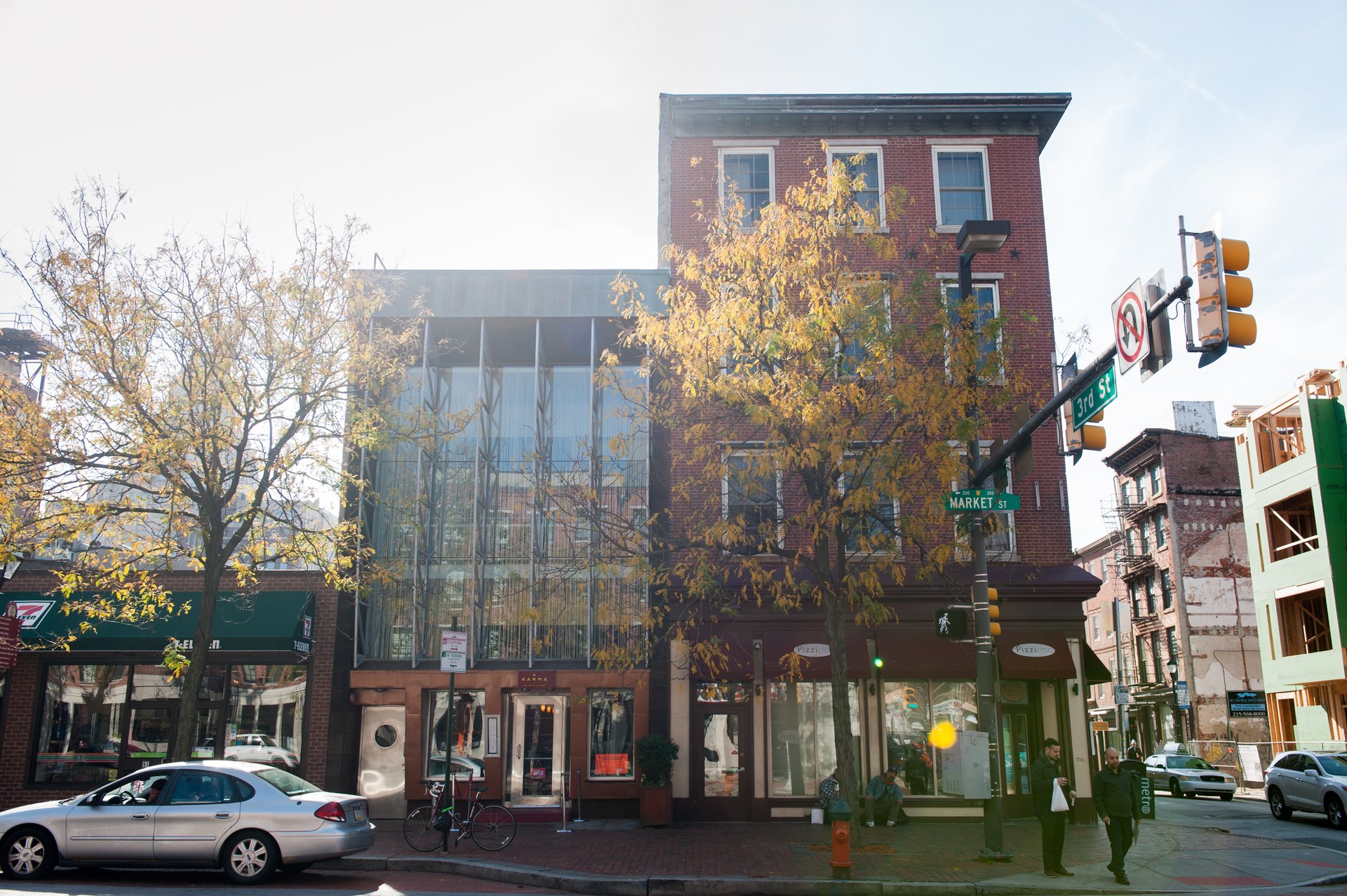
There’s no universal “right” time to leave the city. There’s just the moment when your life starts asking for something different. I’ve lived in the city, loved it deeply, and I’ve also chosen the suburbs for this chapter of my life. Both can be right.
If you’re in the middle of that debate, you don’t have to figure it out alone. Sometimes it just helps to talk it through with someone who’s wrestled with the same questions.
Sarah
📱 (503) 679-4097