Trying to choose between Chestnut Hill and Mount Airy? You’re not alone. These Northwest Philly neighbors share leafy streets, historic homes, and a love of local shops, but they deliver different vibes and price points. If you want a clear, side‑by‑side look at housing, walkability, schools, trails, and transit, you’re in the right place. By the end, you’ll know which one better fits your daily life and budget. Let’s dive in.
Quick take: Chestnut Hill vs. Mt. Airy
- Chestnut Hill: Compact village core along Germantown Avenue with boutiques and cafes, a deep bench of large historic single‑family homes, and premium pricing.
- Mount Airy: Bigger footprint with mixed housing types, strong community programming, and wide price variety between East and West.
- Prices (Redfin, Jan 2026): Chestnut Hill median about $987,500; East Mount Airy around $280,000; West Mount Airy roughly $704,000. Market snapshots change, so verify current comps.
- Walkability (Walk Score snapshot): Chestnut Hill around 65; East Mount Airy about 71; West Mount Airy near 68. Scores vary block by block.
- Transit: Both have regional rail access and bus routes on Germantown Avenue. Always check current schedules and service changes.
Housing and price snapshot
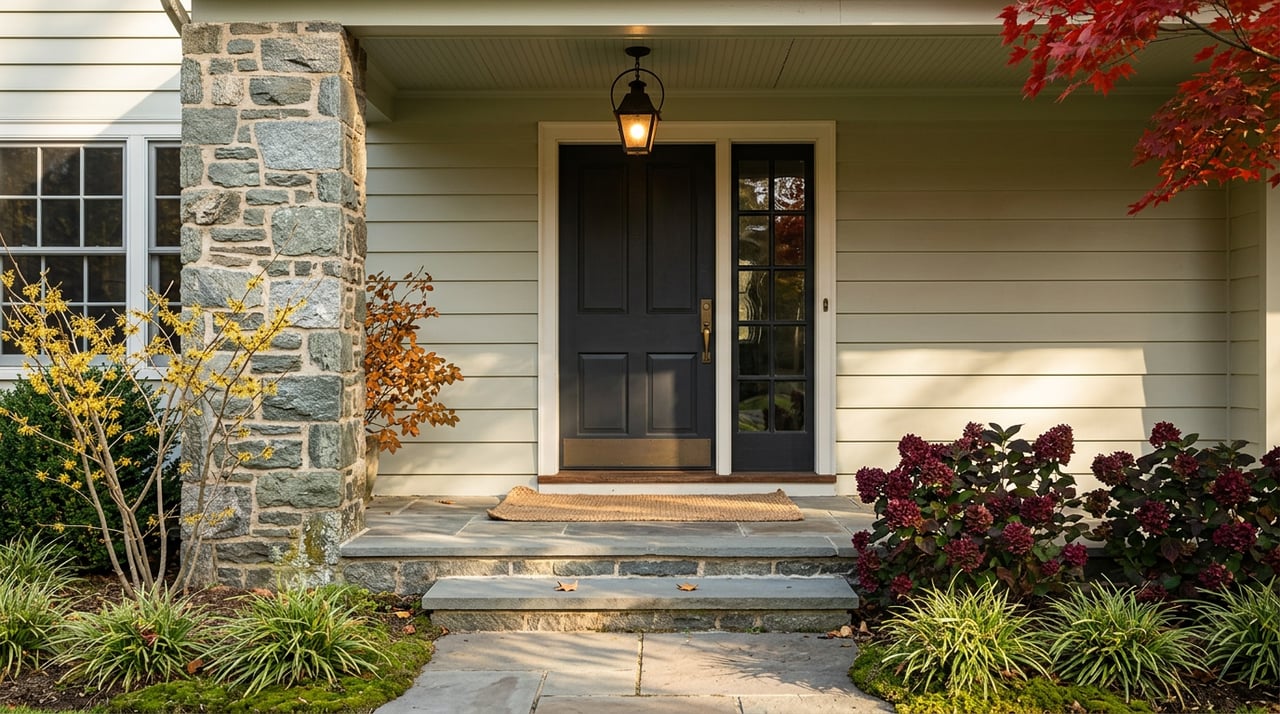
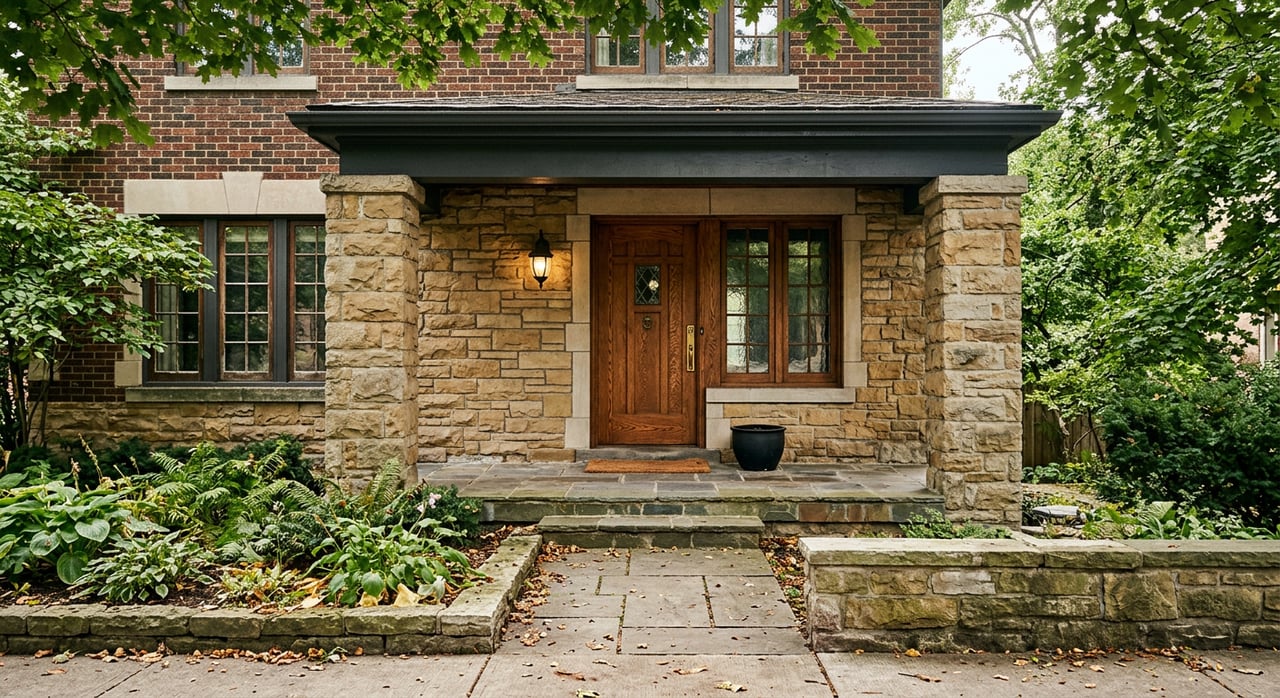
Chestnut Hill reads like a historic village. The main strip on Germantown Avenue is the neighborhood’s anchor, a compact walkable hub that supports a main‑street lifestyle, as the Chestnut Hill Business District describes. Just off the Avenue, you’ll find a concentration of architect‑designed stone homes and a large National Register Historic District, which helps explain why prices trend higher here. For a deeper primer on the area’s architecture, see the Chestnut Hill Historic District overview.
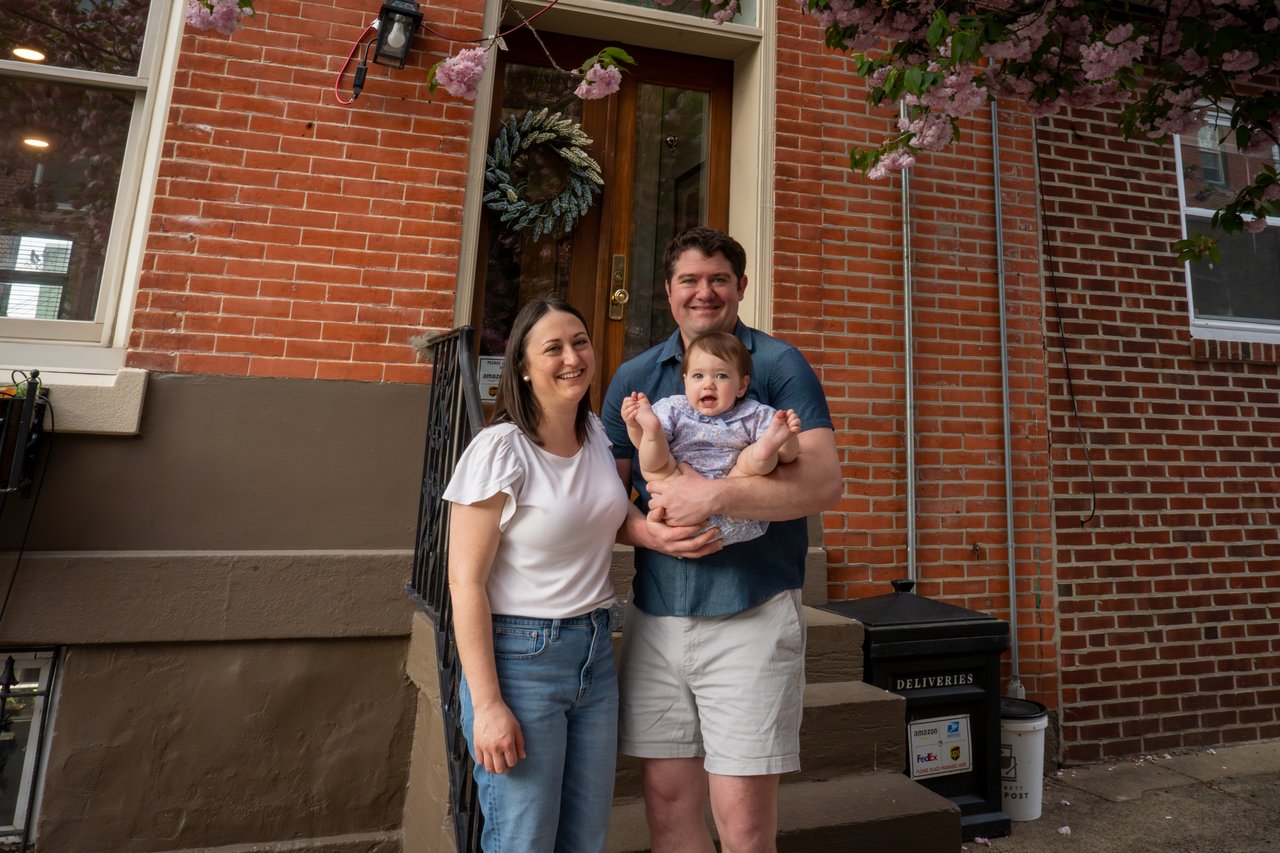
Mount Airy is larger and more varied. East Mount Airy tends to offer more rowhouses and twins that often target first‑time buyers, while parts of West Mount Airy include bigger single‑family homes and historic apartment or garden complexes. Because the housing stock ranges so widely, prices do too. As a rough market snapshot, Redfin reported East Mount Airy around $280,000 and West Mount Airy around $704,000 in Jan 2026, with mid‑2025 list data often landing near the low‑$400Ks for Mount Airy overall. Treat these as ballpark figures and confirm active comps by address.
What this means for you: If you want larger single‑family homes near a dense village center and you’re prepared for a higher price tier, Chestnut Hill is a fit. If you want more options at more price points, Mount Airy’s mix gives you flexibility, especially if you focus your home search by subarea.
Walkability and daily convenience
Both neighborhoods share Germantown Avenue as their commercial spine. In Chestnut Hill, the Avenue offers a particularly dense lineup of independent boutiques, cafes, and essential services that make short, car‑free errands realistic. The Business District’s page is a helpful snapshot of how that core functions.
Walkability scores vary block to block, but a third‑party snapshot puts Chestnut Hill around 65, East Mount Airy near 71, and West Mount Airy close to 68. You can explore an example on the Walk Score page for Chestnut Hill. Expect the immediate village zones to feel very walkable, with quieter residential streets farther out.
On the day‑to‑day front, grocery access matters. The locally beloved Weavers Way Co‑op serves both areas and is a great anchor for everyday needs and community programming.
Schools and learning options
Both neighborhoods fall within the School District of Philadelphia. Public school assignments are address‑specific and can change, so always confirm with the district before you make a decision. In Chestnut Hill, a frequently referenced neighborhood K–8 is John Story Jenks Academy. It is known for arts and sciences programming and an IB‑aligned approach.
Private schools draw families to both neighborhoods as well. Many buyers consider Springside Chestnut Hill Academy in Chestnut Hill, and several other regional private schools sit within a reasonable drive of either neighborhood. If schools are a top priority, map your address options to public catchments and then compare commute times to any private programs on your list.
Trails and green space
If you love the outdoors, you will be happy in either place. Both neighborhoods have quick access to Wissahickon Valley Park. The Friends of the Wissahickon trail maps highlight more than 50 miles of trails and multiple trailheads reachable from Chestnut Hill and Mount Airy. Valley Green is one of the busy access points near Chestnut Hill.
Project work can temporarily affect access and parking at certain trailheads. For example, recent coverage noted Valley Green Road closures tied to restoration work. It’s smart to check current updates, such as the Inquirer’s reporting on Valley Green Road, or Friends of the Wissahickon before you plan your route.
Transit and commuting
Both neighborhoods are served by SEPTA Regional Rail, with Mount Airy stations on the Chestnut Hill East line and terminus stations at the top of Chestnut Hill on both the East and West lines. These lines offer one‑seat rides into Center City during many parts of the day. Service frequency varies by station and time. For the most accurate picture, check the current Chestnut Hill East timetable close to your commute window.
Buses on Germantown Avenue add options through both neighborhoods. Construction and station upgrades sometimes lead to schedule shifts or temporary shuttles, so always confirm active service when you plan a commute.
Who each fits
Use these quick profiles to match your lifestyle to the right blocks.
Young families
- You want an affordable starter home, nearby parks, and easy groceries. Consider East Mount Airy for more rowhouses and twins in a lower price tier, plus community resources like the co‑op. Always verify your public school catchment by exact address.
- If you value private school access and a walkable village center, Chestnut Hill can be a great fit. Plan for higher pricing, especially near Germantown Avenue.
Daily commuters
- If a predictable rail ride is top priority, Chestnut Hill offers two regional rail lines and convenient terminus stations. Check timing and parking at the station you’ll use most.
- Mount Airy also works well, especially near Chestnut Hill East stops like Mount Airy or Sedgwick. Compare peak vs. off‑peak frequencies in the CHE schedule.
Downsizers and empty nesters
- Chestnut Hill’s village core, dense retail, and close‑in trails make car‑light living appealing. Smaller condos and townhomes exist near the Avenue, though inventory is tighter.
- Along Mount Airy’s Germantown Avenue corridor, you’ll find convenient blocks and some garden‑style apartment options that reduce maintenance while keeping neighborhood connections.
Multigenerational households
- Chestnut Hill often offers larger historic single‑family homes, some with finished attics or basements that can flex for multiple generations. Expect premium prices.
- Certain pockets of West Mount Airy include substantial single‑family homes that can provide similar space at a different price range. Ask for recent comps specific to the blocks you like.
Smart next steps
- Prices move. Treat the figures above as a snapshot. When you’re serious, review recent address‑level comps and active inventory for your subarea. Cite the date and source when you compare data, for example “Redfin, Jan 2026.”
- Schools are address‑specific. Before you decide, verify your exact public school catchment with the School District of Philadelphia and contact individual schools for the most current info. Start with John Story Jenks Academy if you’re looking at Chestnut Hill and layer in any private programs like Springside Chestnut Hill Academy.
- Transit changes. Check the current CHE timetable or SEPTA alerts for schedule updates and service notices.
- Trails evolve. Confirm temporary closures or access changes through Friends of the Wissahickon or recent local coverage before you head out.
Ready to tour homes that match your lifestyle in Chestnut Hill or Mount Airy? Let’s create a search that fits your budget, transit needs, and day‑to‑day rhythm. Connect with the Philly Home Collective to start a targeted plan.
FAQs
How do Chestnut Hill and Mount Airy compare on home prices?
- Chestnut Hill typically sits at a higher tier, with a median around $987,500 (Redfin, Jan 2026), while Mount Airy ranges widely by subarea, from roughly $280,000 in East Mount Airy to about $704,000 in West Mount Airy at that same snapshot.
Is Chestnut Hill more walkable than Mount Airy?
- It depends on your block. Chestnut Hill’s village strip is very walkable, while residential streets are quieter; East Mount Airy edges higher on Walk Score in some areas. Check the Chestnut Hill Walk Score page and compare by address.
Which public schools serve these neighborhoods?
- Both neighborhoods are within the School District of Philadelphia, and assignments depend on your exact address. In Chestnut Hill, John Story Jenks Academy is a commonly referenced K–8. Always verify catchments with the district.
How easy is the commute to Center City from each area?
- Both are served by SEPTA Regional Rail and buses on Germantown Avenue. For a real‑time feel, check the current CHE schedule for frequency and travel times near your target station.
Do both neighborhoods have access to Wissahickon trails?
- Yes. Trailheads from both neighborhoods connect to 50+ miles of paths in Wissahickon Valley Park. Use the Friends of the Wissahickon maps and check for any temporary closures before heading out.