Trying to choose between a modern home and a classic rowhouse in Fishtown? You are not alone. In a neighborhood where historic brick homes still define the streetscape and newer infill keeps adding fresh options, the right fit often comes down to how you want to live day to day, not just what looks best in photos. This guide will help you compare layout, light, upkeep, outdoor space, and price so you can make a smarter decision in Fishtown. Let’s dive in.
Why this choice matters in Fishtown
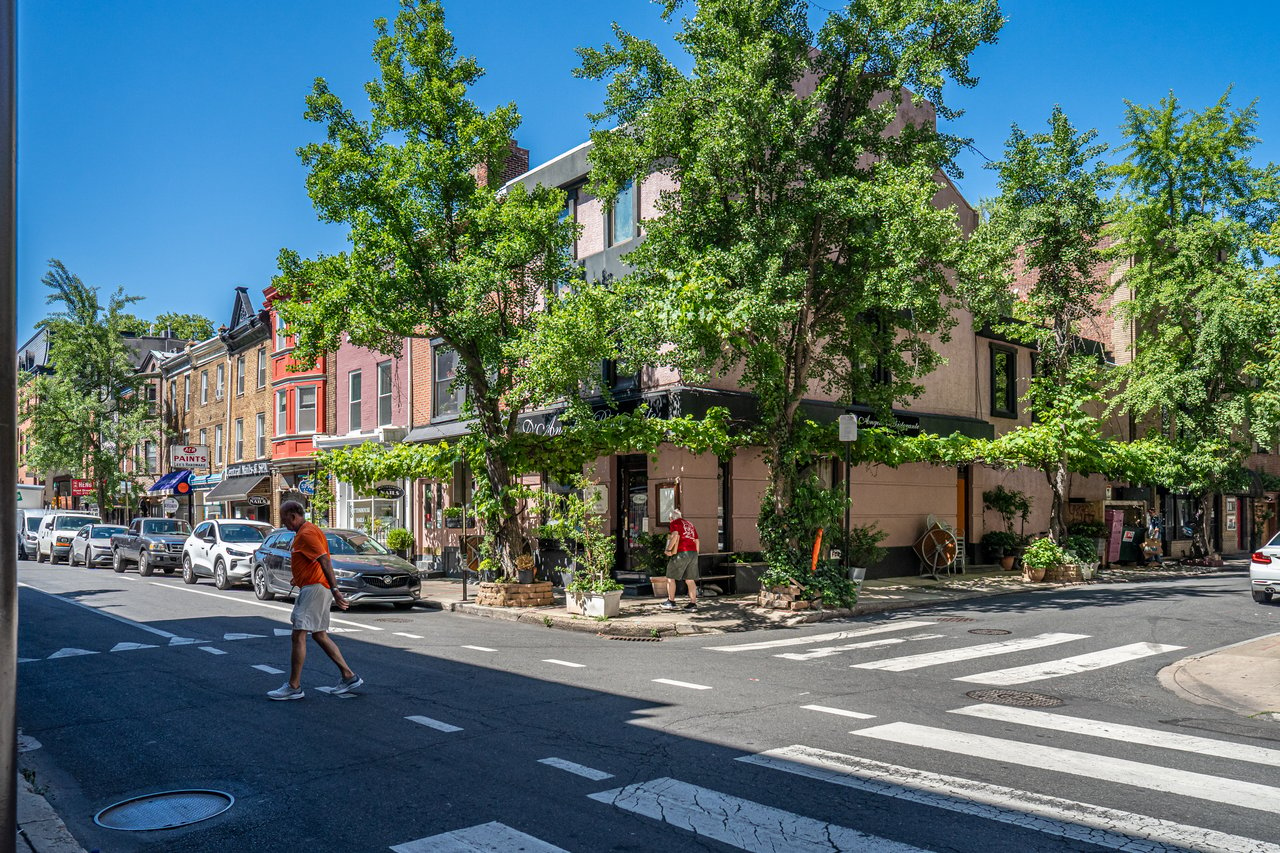
Fishtown gives you both sides of the rowhome story. Older housing stock still shapes much of the neighborhood’s character, and a neighborhood history of the River Wards noted that this part of Philadelphia had the city’s highest percentage of homes built before 1939. At the same time, newer homes have become a visible part of the market and are often larger than what they replaced, according to Hidden City Philadelphia.
This is also a neighborhood where your decision carries real financial weight. Redfin market data cited by Hidden City Philadelphia put Fishtown’s median sale price at $405,000 in February 2026, compared with $265,000 citywide, while Zillow placed the neighborhood’s average home value at $374,850 as of July 2025. In other words, buyers are paying for both location and the specific features a home offers.
What defines a classic Fishtown rowhome
A classic Philadelphia rowhouse is typically a narrow home attached on both sides, usually one to four stories tall, according to the City of Philadelphia Rowhouse Manual. In practical terms, that often means a compact footprint, a stoop or porch, and a long interior layout.
What many buyers love is the lived-in feel. Older rowhomes often sit close to the sidewalk, which creates a strong connection to the block and gives the street a shared, social rhythm. The same city manual describes rowhouse streets as working almost like a shared outdoor room.
Inside, classic homes often have more defined spaces than newer builds. Instead of one large open first floor, you may find a separate living room, dining room, and kitchen. A recent Fishtown example highlighted by The Philadelphia Inquirer kept the living and dining areas distinct while blending original details with updated systems.
What defines a modern Fishtown rowhome
Modern Fishtown homes usually prioritize light, openness, and a more turnkey feel. Recent examples covered by The Philadelphia Inquirer show common features like open-plan living and dining spaces, larger windows, sliding glass doors, light wells, and open stairwells designed to bring daylight deeper into the home.
You may also see wider footprints, roof decks, balconies, or even garages in some newer builds. Outdoor living often shifts upward in these homes, with patios and roof decks doing more of the work that a traditional porch or rear yard might do in an older house.
For many buyers, the appeal is simple. Modern homes tend to feel brighter, more flexible, and easier to settle into right away.
Layout and flow: closed rooms vs open living
One of the biggest differences is how the home feels once you walk in. Classic rowhomes often have a room-by-room layout that can create cozy, purposeful spaces. If you like having a separate front room, an eat-in kitchen, or more visual separation between living areas, an older home may feel more natural.
Modern homes usually lean open. Kitchen, dining, and living areas often share one main level, which can make the space feel larger and easier for everyday living. If you want sightlines across the whole first floor and a more casual flow, newer construction may check that box faster.
This is less about right or wrong and more about routine. Think about how you actually live on a Tuesday night, not just how a home feels during a showing.
Light and windows: mood vs brightness
Light is another major separator. The Philadelphia Rowhouse Manual notes that rowhomes can feel darker on the lower floors because of their narrow, attached design.
That does not mean classic homes are gloomy. It means they often deliver a different mood, with more contrast, more texture, and a quieter feel from room to room. For some buyers, that layered atmosphere is part of the charm.
Newer homes tend to chase brightness more directly. Bigger windows, light wells, and open stairs are common tools used to bring in natural light. If bright interiors are high on your list, modern construction often has an edge.
Character and block feel
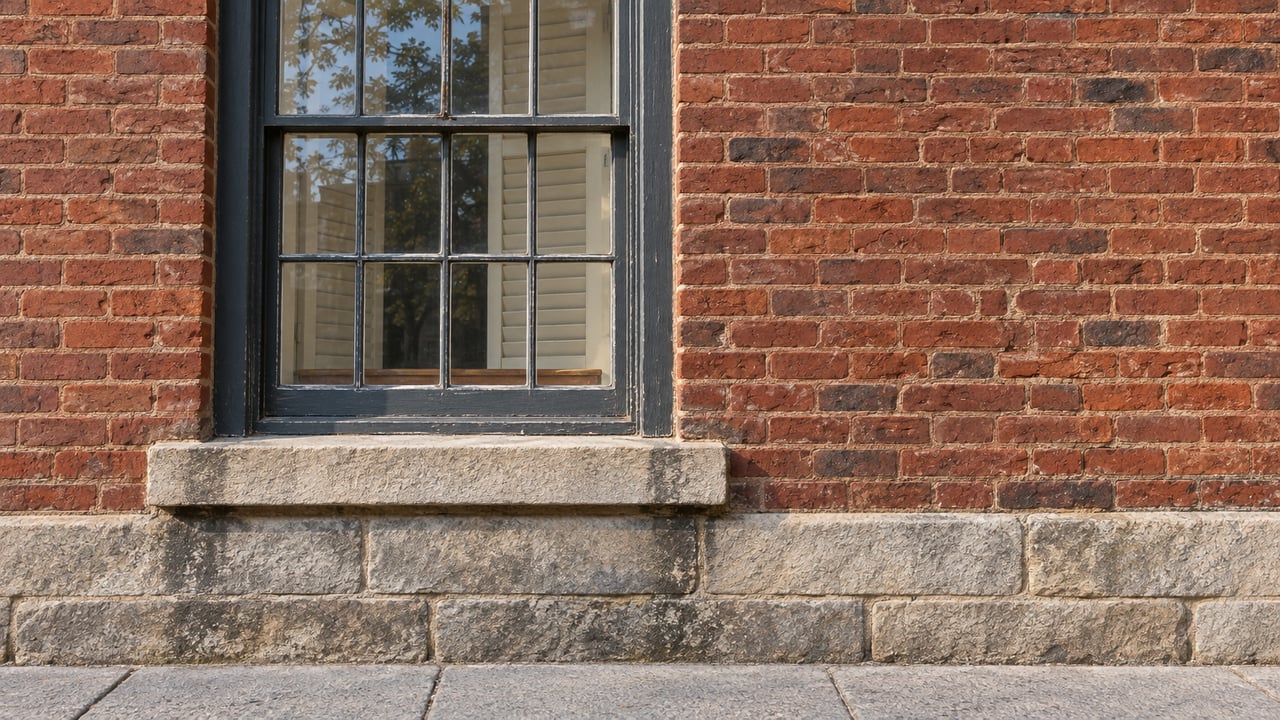
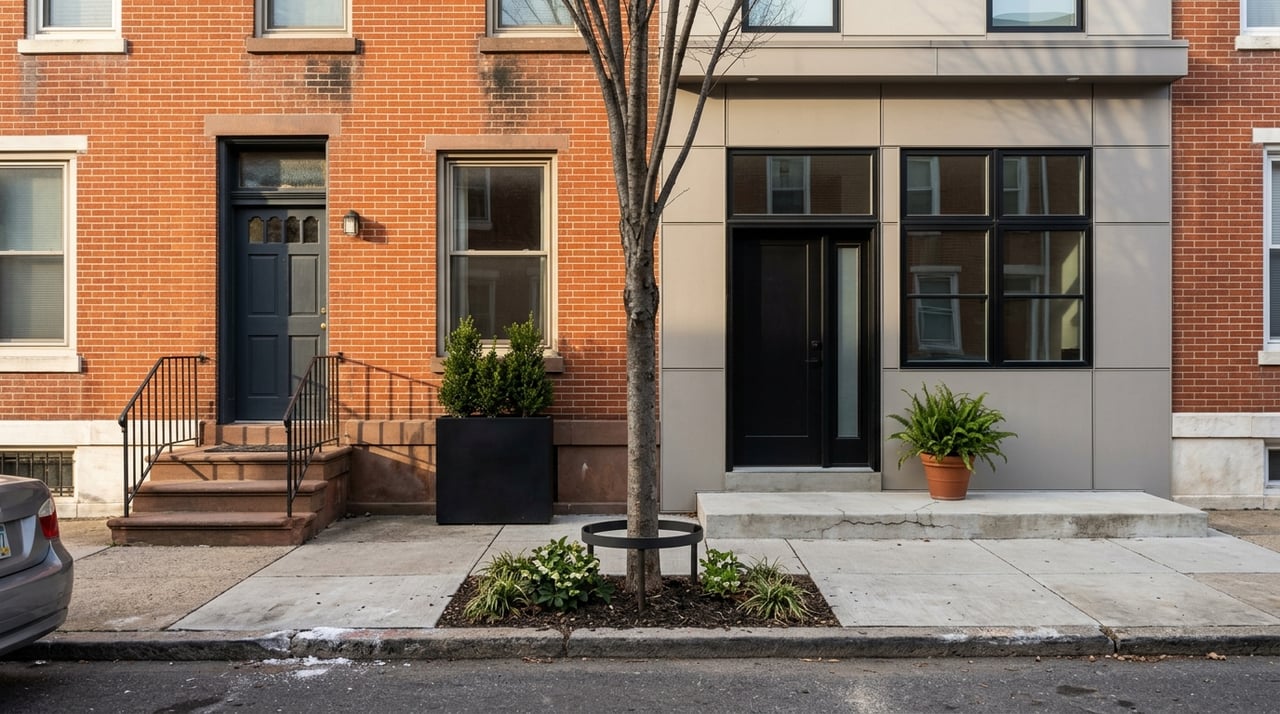
If you are drawn to Fishtown for its historic texture, classic rowhomes usually express that more clearly. Original brick, stoops, porches, and the close rhythm of attached homes create the visual language many people picture when they think about an older Philadelphia block.
That block-level connection is part of the appeal. Older rowhomes often feel integrated into the sidewalk and streetscape in a way that newer homes sometimes reinterpret rather than replicate.
That said, a modern home can still fit well in Fishtown. Some newer projects are designed with the surrounding streetscape in mind, even while offering a more current interior experience.
Maintenance and efficiency
This is where the tradeoffs become more practical. The Philadelphia Rowhouse Manual notes that many rowhouse maintenance issues begin outside, especially with masonry, roofs, windows, and stoops or porches.
Older homes can also need energy upgrades. The U.S. Department of Energy notes that older homes often have less insulation than homes built today, which may lead to added work around insulation, air sealing, or HVAC improvements.
Newer homes usually come with an advantage here. According to ENERGY STAR, certified new homes include features like comprehensive air sealing, quality insulation, high-performance windows and doors, and efficient HVAC systems, and they can use up to 30% less energy than typical new homes. That can mean lower utility costs and fewer immediate repair projects.
Outdoor space looks different
Outdoor living is not absent in either style, but it often shows up in different ways. In a classic rowhome, your experience may center more on the stoop, porch, or a modest rear yard. That can support a close-to-the-block, street-connected feel.
In modern homes, outdoor space often moves upward. Recent Fishtown listings have featured fenced patios, balconies, and two-level roof decks, giving buyers more private outdoor options.
If a roof deck is on your wishlist, it is worth knowing the details matter. The Philadelphia Rowhouse Manual says roof decks require zoning and building permits, and the roof should be verified to be in good condition first because the deck itself does not waterproof the home.
Price is often about features
In Fishtown, price is not just about the address. It is also about condition, layout, finish level, and outdoor space.
Recent examples reported by The Philadelphia Inquirer show that clearly. A turn-of-the-century rowhouse was listed at $400,000, a roof-deck rowhouse at $545,000, and a modern Fishtown home at $634,900. That spread shows how buyers often pay a premium for turnkey finishes, newer systems, and upgraded outdoor space, even within the same neighborhood.
So when you compare options, it helps to ask a better question than “Which is cheaper?” Try asking, “Which features am I paying for now, and which would I need to add later?”
Can a classic rowhome become modern?
Yes, and that is one of the most interesting parts of the Fishtown market. Older homes do not have to stay frozen in time.
A 2020 Philadelphia Magazine feature highlighted an 1850s Fishtown rowhouse retrofit that added airtight insulation, triple-pane windows, and a more open main floor as part of a zero-energy effort. That is a strong example of how classic homes can absorb modern upgrades.
The catch is scope. Renovating an older rowhome toward modern performance or flow is often more invasive and budget-sensitive than buying a newer home that already has those features in place.
How to decide which style fits you
If you are stuck between the two, focus on your non-negotiables instead of broad labels.
A classic Fishtown rowhome may fit you better if you want:
- Original brick and older architectural details
- A stoop, porch, or stronger connection to the block
- More defined rooms instead of one open main level
- The option to personalize over time
- Character that feels rooted in Fishtown’s historic fabric
A modern Fishtown rowhome may fit you better if you want:
- Open-concept living and dining space
- Bigger windows and a brighter interior
- Newer systems and lower near-term maintenance
- Roof-deck or balcony living
- A more turnkey move-in experience
Often, the real answer is not fully classic or fully modern. It is the home that matches your daily habits, comfort with projects, and budget for future updates.
The smartest way to shop in Fishtown
In a neighborhood with both historic texture and newer design, it helps to compare homes through a lifestyle lens. A beautiful brick rowhome may win your heart, but a modern layout may better support how you actually live. Or the reverse may be true.
The best decision usually comes from seeing the tradeoffs clearly. When you weigh block feel, light, upkeep, outdoor space, and renovation tolerance together, your choice gets easier.
If you want help sorting through Fishtown rowhomes with a design-minded, neighborhood-first perspective, connect with Philly Home Collective. We can help you narrow the options and find the version of Fishtown living that fits you best.
FAQs
What is the difference between a modern and classic Fishtown rowhome?
- A classic Fishtown rowhome usually offers older brick construction, a narrower and more segmented layout, and stronger connection to the sidewalk through stoops or porches, while a modern rowhome often features open living space, larger windows, newer systems, and roof-deck-oriented outdoor living.
Are classic Fishtown rowhomes more expensive to maintain?
- They can be, especially if masonry, windows, roofs, or stoops need attention, since the City of Philadelphia notes those are common maintenance areas in older rowhouses.
Are modern Fishtown homes more energy efficient?
- Usually yes, because newer homes are more likely to include better insulation, tighter air sealing, high-performance windows, and more efficient HVAC systems.
Can you renovate a classic Fishtown rowhome to feel more modern?
- Yes, older rowhomes can be renovated with more open layouts and better energy performance, but the work is often more complex and budget-sensitive than buying a newer home with those features already in place.
Do roof decks in Fishtown require permits?
- Yes, the Philadelphia Rowhouse Manual says roof decks require zoning and building permits, and the roof condition should be verified before adding one.
Are Fishtown home prices driven only by neighborhood demand?
- No, recent Fishtown examples show that layout, condition, finish level, and outdoor space can influence price as much as location does.