Curious why so many Chestnut Hill listings say “twin” but the homes look like two houses fused together? You are not alone. In Philadelphia, the word “twin” has a very specific meaning that affects everything from financing to maintenance. In this guide, you’ll learn what a twin home is, how it differs from a duplex or a rowhouse, and what to look for when you shop in Chestnut Hill and nearby Mt. Airy. Let’s dive in.
Twin home basics
Simple definition
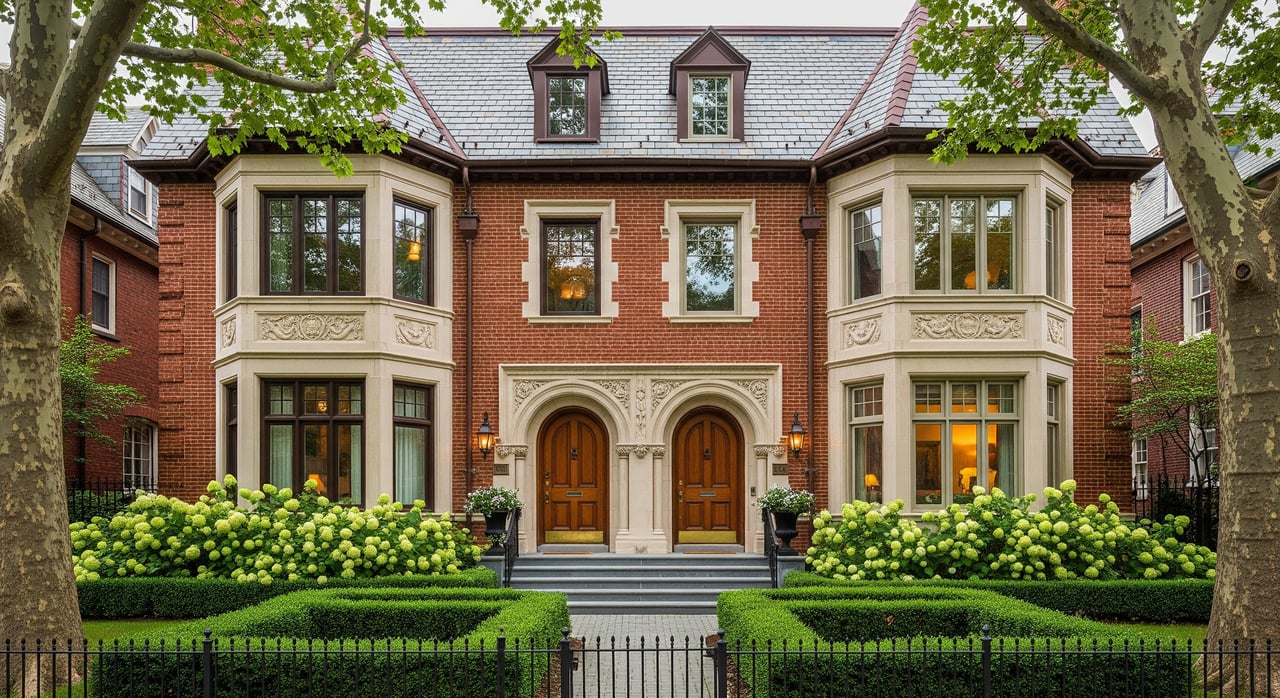
A twin home is a semi‑detached house. It shares one common wall with a neighboring home, and it typically sits on its own lot with a single deed and one mailing address. Most twins have separate front entrances and mirror‑image layouts on each side. You get the feel of a single‑family home with only one shared wall.
Physical form vs legal status
Here is the key point. What a building looks like and how it is legally recorded are not always the same. A property that looks like two side‑by‑side homes might be a true single‑family twin with one deed, or it could be a legal two‑unit building set up as a duplex. Your deed, parcel records, and any Certificates of Occupancy determine how lenders, appraisers, and the city view the property.
Twin vs duplex vs rowhouse vs detached
Twin vs duplex
A twin is typically one legal dwelling. A duplex is a building legally configured as two separate units, often with separate addresses and sometimes separate utility meters. Duplexes are usually treated as multi‑family properties for financing and may follow different loan rules than a single‑family twin.
Twin vs rowhouse
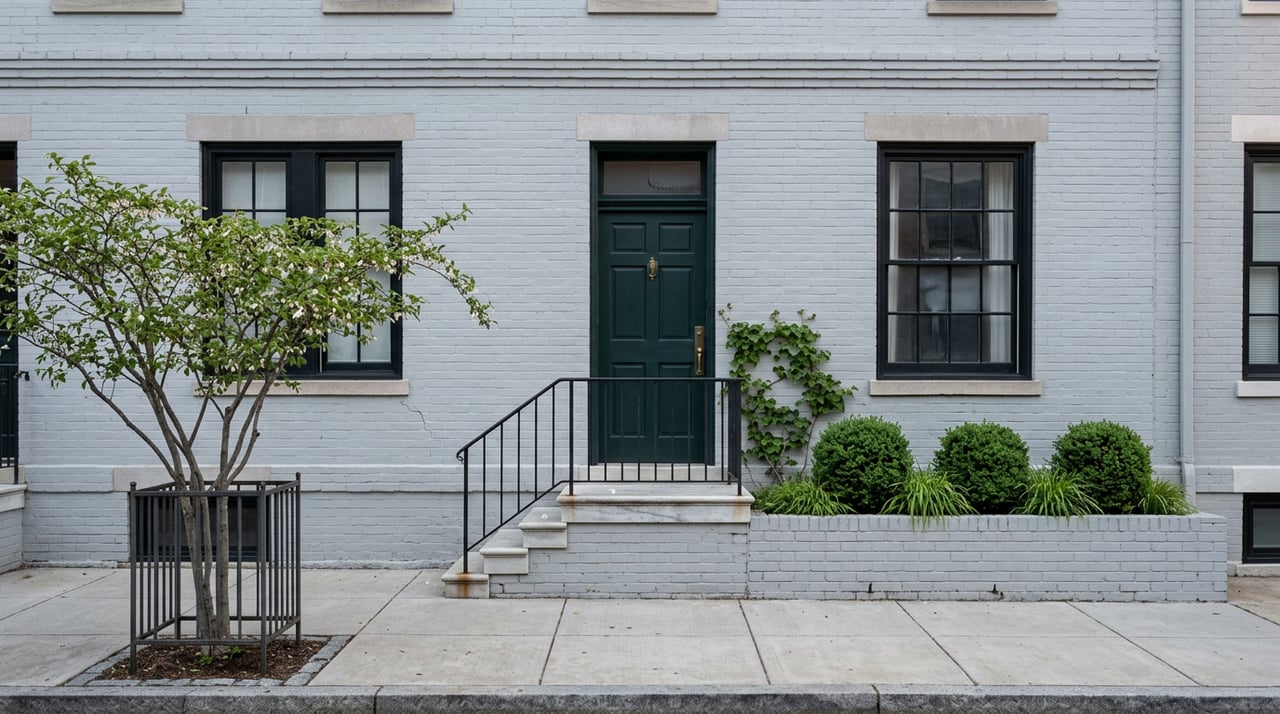
Rowhouses are attached on both sides in a continuous row, except at the ends. Each home sits on its own lot and often opens right to the sidewalk. A twin is attached on only one side, usually with a bit more side yard or setback than a typical rowhouse block.
Twin vs detached
A detached single‑family home stands alone with separation on all sides. A twin gives you some of that single‑family feel but with one shared party wall, which can influence maintenance, sound transfer, and sometimes insurance.
Where twins fit in Chestnut Hill and Mt. Airy
Architecture and feel
In Chestnut Hill and Mt. Airy, many twins date to the late 19th and early 20th centuries. You will see stone or brick masonry façades, front porches or stoops, basements, and attics. Builders often used mirror‑image floor plans, so rooms are laid out similarly on either side of the shared wall.
Lots and parking
Lots in this part of Northwest Philadelphia are often larger and more varied than in Center City. Many twins have modest front and rear yards. Off‑street parking depends on the block. Some homes have a driveway or a rear garage, while others rely on on‑street parking.
Historic districts and permits
Portions of Chestnut Hill and Mt. Airy sit within local or national historic districts. Exterior changes to masonry, roofs, porches, windows, or fences may require review and permits through the Philadelphia Historical Commission or other local bodies. Before you buy or renovate, check if the property lies within a historic district and whether past exterior work was approved.
What to check before you buy a twin
Party wall, deed, and title
Start by confirming the legal setup. Verify whether the property is recorded as a single parcel or as multiple units, and look for any recorded easements or party‑wall agreements. A written party‑wall agreement can outline responsibilities for repairs, structural work, and cost sharing. If no agreement exists, it can be harder to resolve disputes later.
Building envelope and structure
Focus on the shared wall and the masonry. Look for cracks, signs of settlement, or water intrusion along the party wall. Older masonry twins may need tuckpointing, updated flashing, and chimney repairs. Basements in this era of construction can show past moisture issues, so check for staining and proper drainage.
Utilities and meters
Confirm how utilities are set up. Ask whether gas, electric, water, and sewer are separately metered. Shared meters can complicate billing and impact any rental or conversion plans. Older twins may have heating systems that changed over time, so verify the age, service history, and ownership of boilers or furnaces.
Insurance and disclosures
Insurance costs depend on construction, updates to mechanical systems, and proximity to neighboring structures. Review the seller’s disclosures for any past claims, especially for water, fire, or structural issues. This is often where patterns or repeated repairs come to light.
Financing and appraisals for twins
Lenders care about legal unit count. A twin that is a single deed with one legal unit is usually underwritten as a single‑family home. A property legally configured as two units is appraised and financed under two‑unit rules, which can follow different ratios and loan products, including specific rules for FHA and VA loans. Appraisers use local comparable sales, and in Chestnut Hill some twins may sell closer to detached homes due to location and lot characteristics.
Zoning, occupancy, and permits
Philadelphia zoning controls how a property can be used. Even if a twin seems easy to convert, adding units or changing occupancy can require zoning approval and permits from Licenses and Inspections. Short‑term rentals, separate unit creation, or other changes may trigger licensing steps. Always confirm current zoning and permitted uses before you plan a conversion.
Pros and trade‑offs of twin living
- What many buyers like: architectural character, more light and yard space than many rowhouses, and a neighborhood feel that fits Northwest Philly blocks.
- What to consider: a shared party wall, potential coordination with a neighbor for roof, gutters, or chimney work, and extra attention to masonry maintenance common to older homes.
Quick buyer checklist
- Confirm the legal setup: single parcel or two units, any separate addresses, and current zoning and occupancy.
- Review documents: deed, title, any party‑wall agreements, and permits for past exterior changes if in a historic district.
- Inspect structure and envelope: foundation cracks, party‑wall condition, roof age and flashing, chimney stability, masonry and mortar.
- Check water management: basement moisture history, sump systems, grading, and staining on walls or ceilings.
- Verify systems: meter separation for utilities, electrical panel capacity, and signs of older wiring or aging boilers.
- Ask about claims and repairs: insurance claim history, records for roof, boiler, masonry, and waterproofing work.
- Plan your budget: tuckpointing, roof replacement, chimney and gutter upkeep, and possible remediation typical to older homes.
How we can help
Buying a twin in Chestnut Hill or Mt. Airy is about fit, function, and future value. You want clarity on the deed and zoning, confidence in the structure, and a plan for maintenance. You also want a home that matches your daily life, from porch coffee to weekend walks. If you are selling, thoughtful presentation and staging can highlight a twin’s character and make it stand out.
You do not have to navigate it alone. The Philly Home Collective pairs hyperlocal guidance with design‑forward marketing and coordinated prep to help you buy or sell with confidence. Ready to start your search or prep a listing the right way? Connect with the Philly Home Collective.
FAQs
What is a twin home in Philadelphia?
- A twin is a semi‑detached house that shares one party wall with its neighbor and is typically a single legal dwelling with one deed and one mailing address.
How do I tell a twin from a duplex when touring?
- Ask about the legal unit count, check for separate addresses and meters, and review deed and title records to confirm whether it is a single‑family twin or a two‑unit property.
Are twin homes common in Chestnut Hill and Mt. Airy?
- Yes, both neighborhoods include many late 19th‑ and early 20th‑century twins with masonry construction, porches or stoops, and mirror‑image layouts.
What inspections matter most for a twin home purchase?
- Focus on the party wall, masonry and mortar, roof age and flashing, chimney condition, basement moisture history, and utility setup including meters and electrical panels.
Can I convert a twin into two legal units in Philadelphia?
- Possibly, but changes to occupancy or unit count depend on zoning and permits through Licenses and Inspections, so confirm rules and approvals before planning a conversion.
How are twins financed and appraised compared with duplexes?
- A single‑deed twin is typically financed as a single‑family home, while a legal two‑unit property follows multi‑unit underwriting rules and is appraised using two‑unit comparables.