If you are selling in Rittenhouse Square or Fitler Square, staging is not just the finishing touch. It is part of how buyers judge value the moment they scroll through photos or walk through the front door. In these historic, design-conscious micro-markets, buyers often compare light, layout, scale, and condition very closely. This guide will show you where staging matters most, how to tailor it to condos and townhomes, and where a focused budget can have the biggest payoff. Let’s dive in.
Why staging matters here
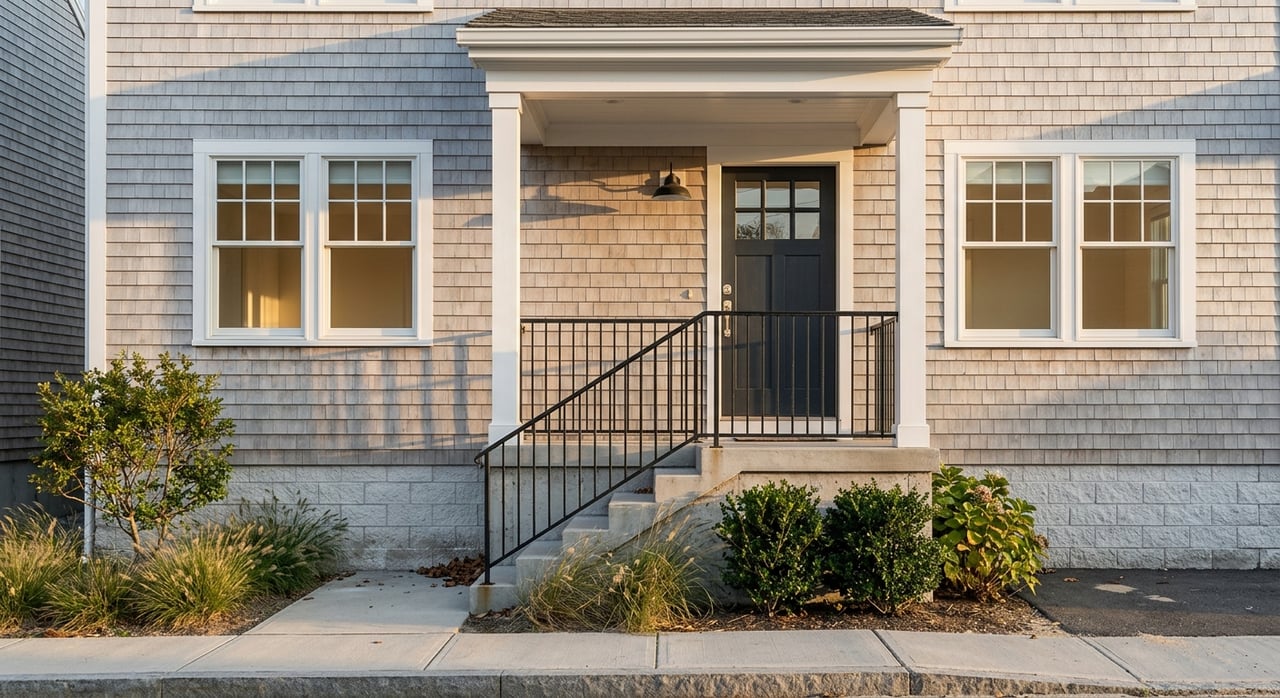
Rittenhouse Square and Fitler Square both have strong architectural identity. You are often selling more than square footage. You are selling original details, natural light, flow, and the feeling of living in a well-kept Philadelphia home.
That matters even more in a market where buyers have options. Current neighborhood market data shows Rittenhouse as a buyer’s market, with 235 homes for sale, a median listing price of $680,000, median days on market of 63, and homes selling at about 99% of list price. Fitler Square is tighter, with 14 homes for sale, a median listing price of $822,000, median days on market of 47, and homes selling around asking.
In plain terms, buyers in these neighborhoods can compare homes side by side. When that happens, presentation becomes part of pricing strategy. A staged home can help buyers see the value faster and feel more confident about your asking price.
Start with the rooms that drive decisions
If your budget is limited, do not try to stage every inch of the home first. Focus on the spaces that shape first impressions and help buyers understand how the home lives.
According to the 2025 Profile of Home Staging, the most commonly staged rooms are the living room, primary bedroom, dining room, and kitchen. That lines up well with how many Rittenhouse and Fitler homes are shown, especially when layouts are compact or visually layered with historic detail.
Stage the living room first
The living room often does the heaviest lifting in a listing. It sets the tone in photos, shows scale, and helps buyers imagine daily life in the home.
In a rowhome, brownstone, or condo with smaller proportions, bulky furniture can make the room feel tighter than it is. A better approach is to use fewer, well-scaled pieces and keep walkways clear so the space reads easily.
Prioritize the primary bedroom
Bedrooms should feel calm, bright, and easy to understand. Buyers notice clutter, poor lighting, and furniture that overwhelms the room.
A simple bed setup, balanced nightstands, and minimal decor usually work better than trying to fill every wall. If the room is small, staging should prove function without making the space feel cramped.
Do not skip the kitchen and dining area
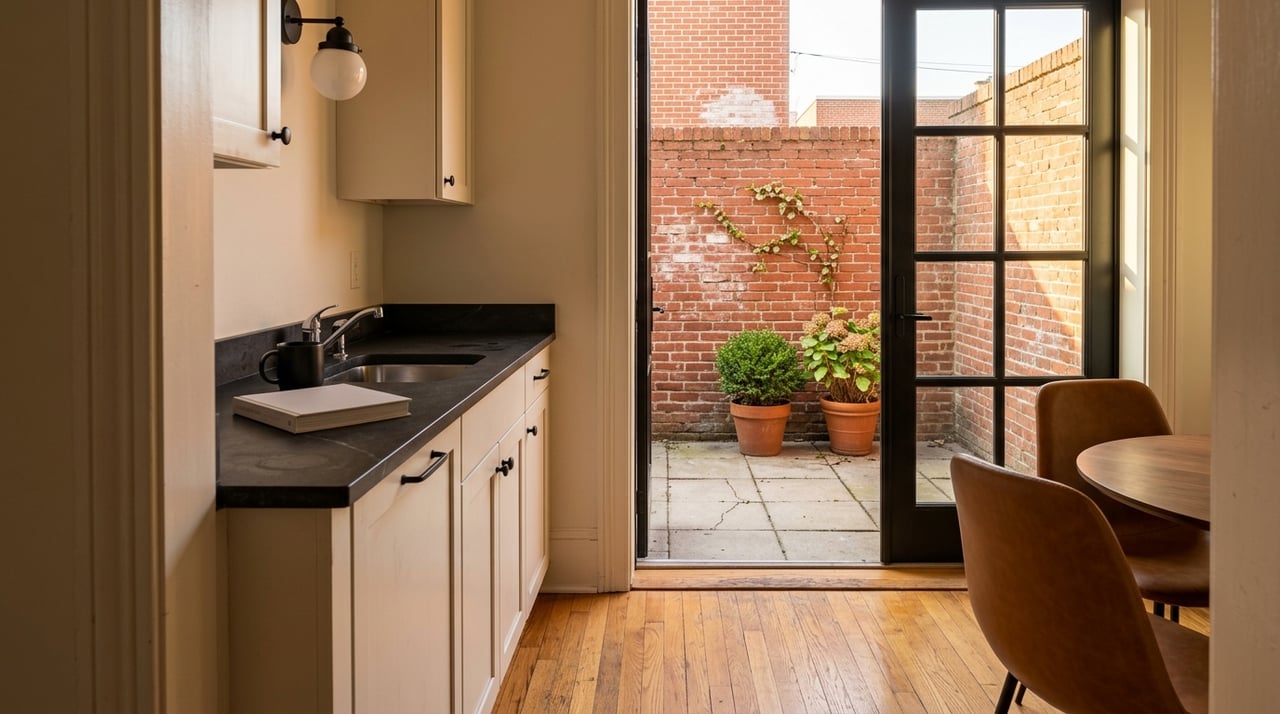
Kitchens and dining spaces help buyers picture hosting, morning routines, and everyday use. Even in homes without a formal dining room, defining an eating area can make the layout feel more complete.
Keep surfaces mostly clear, add restrained styling, and make sure lighting is bright and clean. In these neighborhoods, buyers tend to notice whether a kitchen feels polished and ready rather than busy and over-accessorized.
Tailor staging to your home type
Not every Rittenhouse or Fitler Square property needs the same staging plan. A luxury condo, a classic brownstone, and a historic rowhome each ask for a slightly different strategy.
Condos need scale and clarity
In condos, staging should help buyers understand room function without crowding the footprint. This is especially important in open layouts or homes with flexible spaces.
Use furniture that matches the room size and leave breathing room around key pieces. The goal is to show that the home can live comfortably, not to decorate every corner.
Brownstones should let the architecture lead
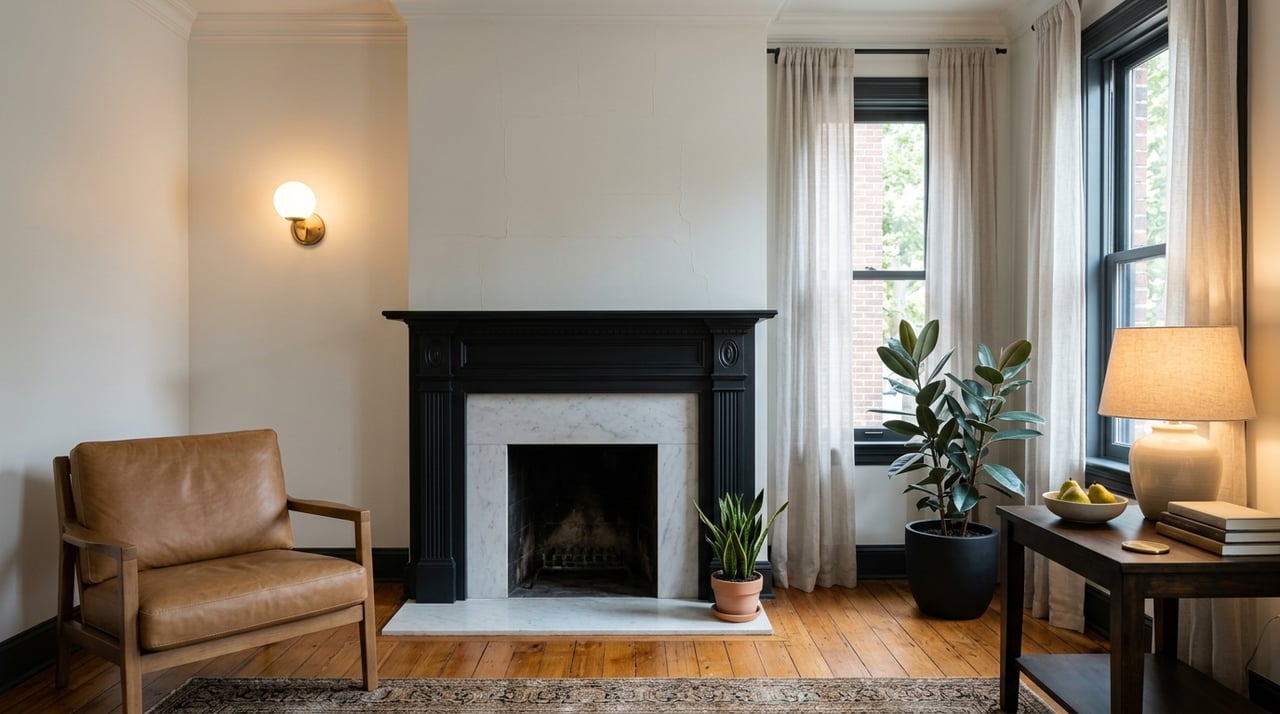
Brownstones and larger townhomes often come with original millwork, mantels, tall windows, and layered room-to-room views. Here, staging works best when it supports those features instead of competing with them.
That usually means neutral foundations, fewer oversized pieces, and styling that highlights texture over clutter. Let the eye land on the bones of the home.
Historic rowhomes benefit from editing
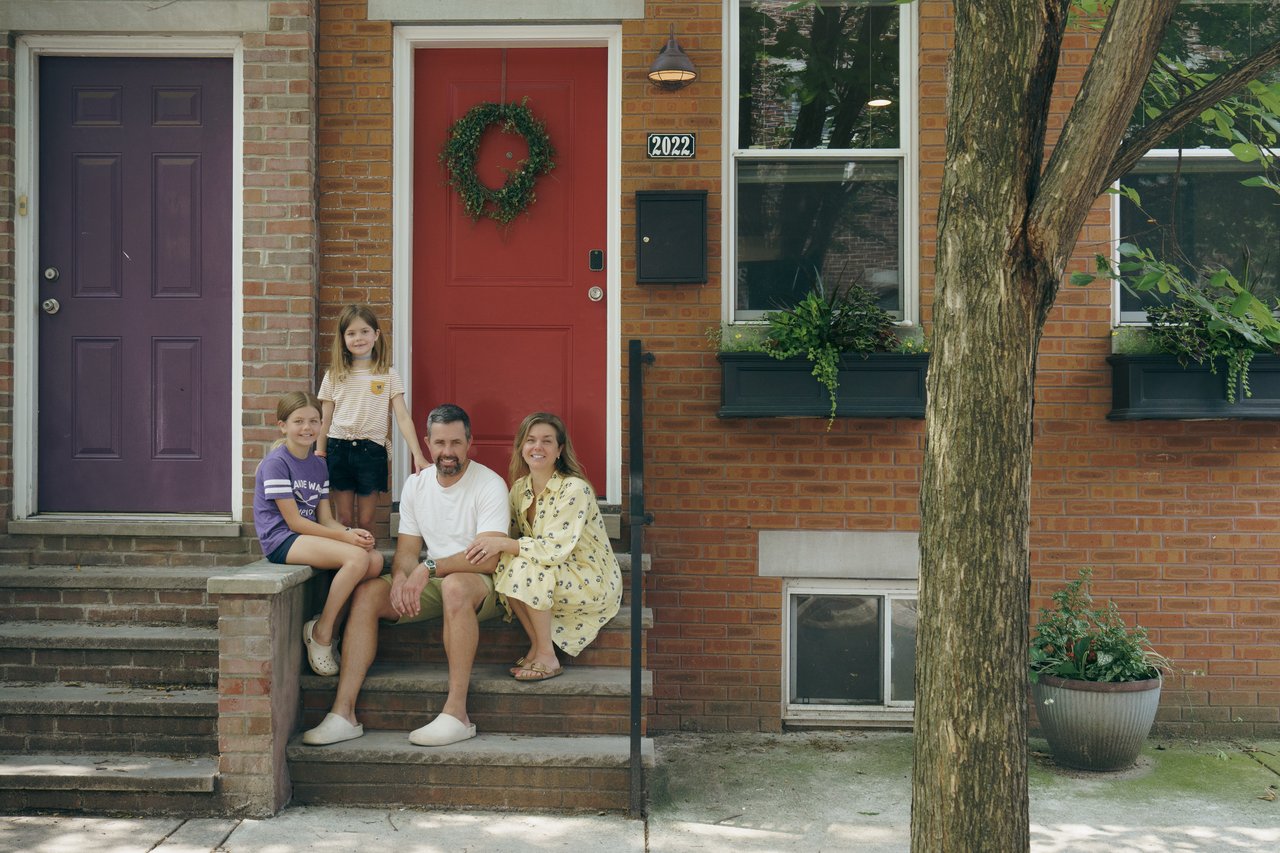
Many homes in this area have charming but tricky proportions. Narrow rooms, multiple levels, and unusual corners are common.
In these homes, editing matters as much as styling. Clear circulation paths, lighter visual weight, and thoughtful furniture placement can make a layout feel more functional right away.
Make small or awkward layouts feel better
A lot of Philadelphia homes ask buyers to use some imagination. Good staging reduces that mental work.
If your floor plan feels tight or awkward, start by removing anything bulky or unnecessary. Keep closets about half full, pare back personal items, and avoid pushing too much furniture against every wall.
A clean circulation path helps buyers move naturally through the home. That simple change can make rooms feel larger, more purposeful, and easier to understand.
Use neutral, not boring
Neutral styling works well here because it keeps attention on the home itself. But neutral does not have to mean flat or sterile.
Warm woods, layered textiles, black accents, greenery, and a few controlled pops of color can create a polished look without overwhelming historic details. Think calm, collected, and contemporary enough to photograph well.
Lighting and photos matter as much as furniture
Staging is not only about what is in the room. It is also about how the room shows up online.
The 2025 staging data notes that buyers’ agents see staging as helpful because it makes it easier for buyers to visualize the property as their future home. The same report also points to photos, physical staging, videos, and virtual tours as highly important listing tools.
Maximize natural light
Open window treatments where possible and let daylight do its job. In neighborhoods known for tall windows and beautiful streetscapes, light is part of the selling story.
If a room feels dim, address lamps, bulb brightness, and fixture cleanliness before photos. Neglected lighting is a turnoff buyers notice, especially in bedrooms and kitchens.
Keep styling photo-ready
What looks acceptable in person can look busy in listing photography. Small visual distractions multiply quickly on camera.
That is why streamlined surfaces, balanced furniture placement, and restrained accessories matter. Buyers should notice the space first, not your stuff.
When partial staging makes the most sense
You do not always need a full-house stage to make a real impact. If you are living in the home or working within a set budget, a consultation-first or partial staging plan can be a smart move.
Start with the highest-impact steps:
- Declutter each room
- Deep clean the home
- Pack away personal items
- Use neutral paint colors where needed
- Keep closets and storage from looking overfilled
- Stage the living room, primary bedroom, kitchen, and dining area first
This kind of focused prep often fits these neighborhoods well. It respects the home’s character while directing your budget toward the spaces buyers judge most closely.
Is staging worth the cost?
For many sellers, the better question is not whether staging matters. It is how to stage selectively for the best return.
The 2025 staging report found that almost half of sellers’ agents said staging reduced time on market. It also found that 29% reported a 1% to 10% increase in the dollar value offered, and the median cost of a staging service was $1,500.
In Rittenhouse Square and Fitler Square, that supports a focused approach. Instead of furnishing every room, it often makes more sense to spend on the rooms, styling, and photography that shape buyer perception early.
Virtual staging for empty homes
If your property is vacant, virtual staging can help buyers interpret scale and use, especially online. It can be useful for empty condos or rooms that are hard to read without furniture.
That said, virtual staging should be used carefully and transparently. Material photo enhancements should be disclosed so buyers are not misled.
The goal is simple
In these neighborhoods, the best staging does not erase a home’s personality. It sharpens it. You want buyers to notice the tall windows, carved mantel, warm floors, graceful proportions, or smart condo layout, and then picture themselves living there.
That is why staging works best when it is strategic, edited, and tied to how buyers actually shop. In Rittenhouse and Fitler Square, thoughtful presentation helps your home compete on both emotion and value.
If you are thinking about selling and want a plan that fits your home, your timeline, and your budget, Philly Home Collective can help you prepare, style, and market your property with a thoughtful, design-forward approach.
FAQs
Which rooms should sellers stage first in Rittenhouse Square or Fitler Square?
- Start with the living room, primary bedroom, kitchen, and dining area because these spaces usually have the biggest impact on buyer perception and listing photos.
Does staging matter for luxury condos in Rittenhouse Square?
- Yes. In condos, staging helps buyers understand scale, layout, and function, which is especially useful when buyers are comparing multiple listings.
How should sellers stage historic brownstones in Fitler Square?
- Focus on highlighting original architectural details, using fewer well-scaled furnishings, and keeping the look neutral and uncluttered so the home’s character stands out.
What should sellers do if a Philadelphia rowhome feels small or awkward?
- Remove bulky furniture, keep closets about half full, create clear walking paths, and use simple staging to make each room’s purpose easier to understand.
Can sellers use virtual staging for empty homes in Rittenhouse or Fitler Square?
- Yes, especially for vacant homes or hard-to-read rooms, but any material photo enhancements should be clearly disclosed so buyers are not misled.