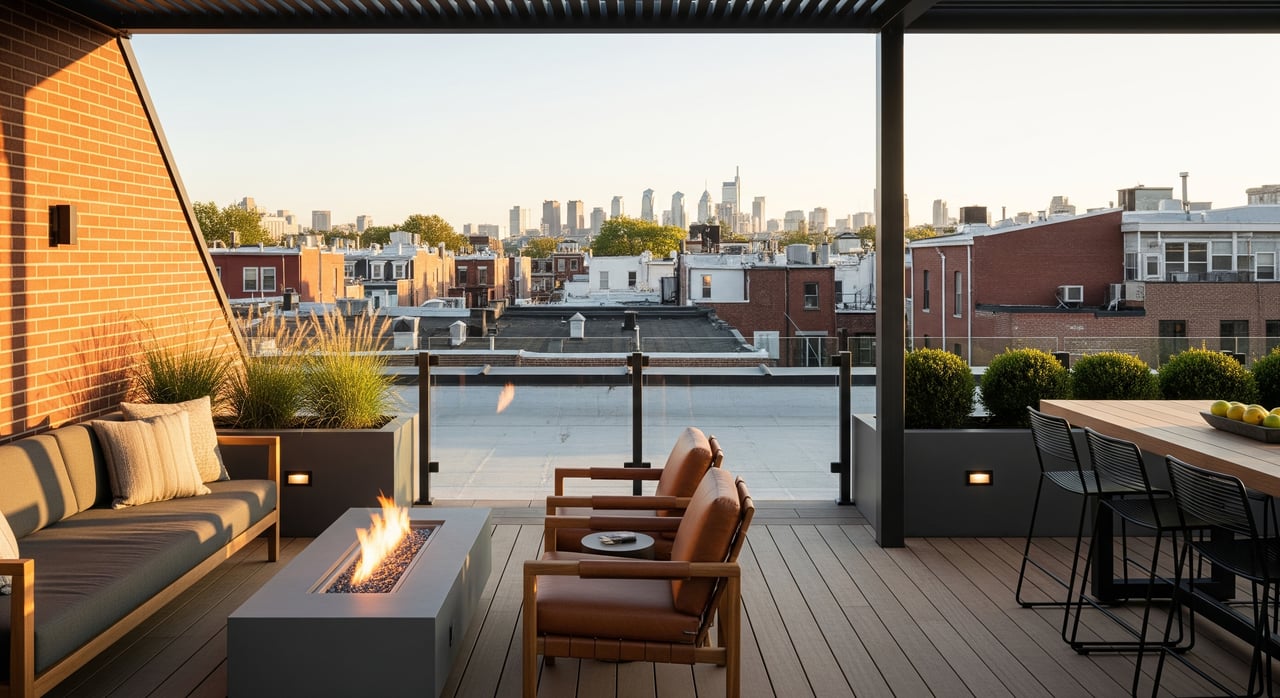
Thinking about a roof deck on your Fishtown rowhome? You’re not alone. With compact lots and big city views, rooftop space can feel like a private oasis above the buzz of Girard, Frankford, and Front. Still, it’s a real project with rules, costs, and construction choices that matter.
In this guide, you’ll learn the pros, permits, costs, timelines, and practical tradeoffs specific to Philadelphia. You’ll also get a clear checklist to move from idea to inspection with fewer surprises. Let’s dive in.
Why roof decks fit Fishtown
Fishtown’s narrow lots and flat or low-slope rowhome roofs make rooftop decks a smart way to gain outdoor living without changing your footprint. You can capture skyline and river views, add a flexible entertaining zone, and set your home apart when it’s time to sell.
Buyers often cite private outdoor space as a top want in dense neighborhoods. A well-designed deck can boost marketability, especially when it’s safe, properly permitted, and thoughtfully finished.
Permits and rules in Philadelphia
You almost always need permits for a roof deck in Philadelphia. Building a deck, adding a pilot house for roof access, changing roof framing, or altering egress typically requires a building permit through the Department of Licenses & Inspections (L&I). Trade permits are needed for lighting, outlets, or gas lines.
Zoning and siting basics
Zoning can affect height, setbacks, and where a pilot house can sit. Many Fishtown rowhomes are in residential districts with limits that shape the size and placement of rooftop structures. Do not assume your project is minor or exempt. Confirm details with Zoning before you design too far.
Historic review checkpoints
Some properties are in historic districts or have individual designations. If so, the Philadelphia Historical Commission may need to approve your plans before L&I issues permits. Check for historic status early to avoid delays.
What to submit
A typical permit package includes:
- Construction drawings showing roof plans, framing sections, pilot house elevations, and rail/stair details.
- Structural calculations stamped by a licensed design professional when reinforcement is needed.
- Zoning and coverage calculations and, if required, zoning sign-off.
- Trade permits for electrical or gas work.
- Historic approvals if applicable.
A complete application may be reviewed in a few weeks. Complex scopes or historic review can stretch to several weeks or months. Incomplete submittals are the most common cause of delays.
Pilot houses and roof access
A pilot house is a small enclosure that houses the stair from the floor below up to the roof deck. It improves safety and weather protection and often makes the deck more usable year-round. It must meet building-code rules for headroom, stair dimensions, handrails, and sometimes fire rating.
Pilot houses may face height, setback, or footprint limits under zoning, so plan the size and placement early with a licensed architect or engineer. A pilot house does not exempt your project from permits or review.
Construction basics you should know
Structure and loads
Most older rowhome roofs were not built for regular occupancy. An engineer will evaluate joists, beams, and bearing points to make sure the deck can handle people, furniture, planters with wet soil, and snow. Reinforcement can include sistered joists, new beams, or added supports.
Waterproofing and drainage
Waterproofing is the most important durability item. Common approaches include upgrading the roof membrane with proper flashing and using pedestal or sleeper systems that keep the deck off the membrane so water can drain and the roof can breathe.
Design for continuous positive slope to scuppers or drains, and include secondary overflow paths. Poor waterproofing or penetrations through the membrane can cause costly leaks and may void roof warranties, so coordinate roofing and decking trades closely.
Deck systems and materials
You’ll typically choose between:
- Wood-framed decks built above a protected membrane.
- Pedestal and paver or composite systems that sit on adjustable pedestals above a continuous membrane.
Material options include pressure-treated lumber, tropical hardwoods, composite boards, and metal systems. Consider maintenance, cost, and longevity. Fastening details must protect the membrane and allow for movement in weather.
Railings, stairs, and safety
Guardrails must meet code height and opening limits, often in the 36 to 42 inch range with gaps that do not allow a 4-inch sphere through. Rooftop wind loads can be higher, so anchors and posts need engineered connections. Exterior stairs must meet width, riser, tread, handrail, and landing requirements and require permits.
Fire, grills, and utilities
Open-flame grilling may be restricted by fire code, building rules, or insurance. Always verify before you plan for a grill or heater. Any electric, lighting, outlets, or gas lines require licensed trades and separate permits.
How much a Fishtown roof deck costs
Budgets vary with scope, structure, and finishes. Plan a contingency of 10 to 25 percent for surprises.
- Design and engineering: $1,000 to $5,000+
- Permits and plan review: $500 to $3,000
- Structural reinforcement: $3,000 to $20,000
- Roofing and waterproofing upgrades: $3,000 to $15,000+
- Deck system and materials:
- Basic wood deck: $8,000 to $20,000
- Composite or pedestal pavers: $12,000 to $40,000
- High-end hardwoods or custom metal: $20,000 to $60,000+
- Pilot house: $4,000 to $30,000+
- Railings, stairs, lighting: $2,000 to $15,000
- Electrical and gas trades: $1,000 to $5,000+
Example project totals:
- Simple, small deck with minimal structural work and basic finishes: $15,000 to $35,000.
- Mid-range with waterproofing upgrade, engineered reinforcement, and composite or pavers: $35,000 to $70,000.
- High-end with extensive structure, premium materials, custom railings, utilities, and upgraded pilot house: $70,000 to $150,000+.
Timeline from idea to first toast
- Design and engineering: 2 to 6 weeks.
- Permit review: 2 to 8 weeks, longer with historic or zoning complexities.
- Construction: 2 to 8 weeks, more if structural work is extensive.
From concept to completion, 8 to 20+ weeks is common.
Resale impact and marketability
A roof deck can make your Fishtown home stand out, especially where outdoor space is limited. The value uplift depends on quality, waterproofing, views and privacy, usability, and how similar homes compare. Often, modest, well-executed decks deliver stronger ROI than ultra-custom builds.
For sellers, permitted and inspected work is critical. Unpermitted additions can complicate a sale and underwriting. Keep plans, permits, inspection records, and warranties on file.
Neighbor, party wall, and insurance tips
Rowhomes share party walls and roof continuity. Review your deed or plat for any shared roof or maintenance agreements. Changing drainage can affect adjacent homes, so engage neighbors early to avoid disputes.
Be mindful of noise and privacy. Plan layout, planters, and seating to reduce sound and sight lines. Notify your insurance carrier before construction, and confirm coverage and any restrictions, like open-flame rules.
Fishtown roof deck checklist
Pre-design
- Verify zoning, lot coverage, height limits.
- Check historic district or landmark status.
- Review deed or plat for shared roof or party wall obligations.
- Talk to neighbors about your plans.
Design and permitting
- Hire a local architect or engineer experienced with Philadelphia rowhomes.
- Prepare drawings, framing plans, and structural calculations.
- Submit permits through L&I and allow time for zoning or historic review.
- Plan for electrical and gas permits if needed.
Construction
- Coordinate roof membrane upgrades with deck installation.
- Use protected membrane systems like pedestals or floating decks when possible.
- Use engineered connections for railings and stairs.
- Keep permits on site and maintain thorough documentation.
Post-construction
- Complete final inspection and close permits.
- Store warranties, product info, and maintenance instructions for future buyers.
Is a roof deck right for you?
If you want outdoor living without giving up indoor square footage, a roof deck can be a smart move in Fishtown. The key is planning: get the structure right, protect the roof, follow the rules, and choose materials that fit your budget and maintenance style. Done well, a rooftop can elevate your everyday life and your home’s appeal.
Curious how a roof deck might impact your resale or which Fishtown blocks capture the best views? Let’s talk about design, budget, and timing that make sense for your goals. Reach out to the team at Philly Home Collective to get local, practical guidance tailored to your home.
FAQs
Do I need a permit for a roof deck in Fishtown?
- Yes, almost all roof decks require a building permit through L&I, and separate trade permits are needed for electrical or gas work.
What is a pilot house, and do I need one?
- A pilot house is an enclosed stair access to the roof that improves safety and usability and often triggers height and setback rules under zoning.
How much does a typical Fishtown roof deck cost?
- Budgets commonly range from $15,000 to $150,000+ depending on structure, waterproofing, materials, pilot house, and finishes.
How long do permits and construction take in Philadelphia?
- Plan for 2 to 6 weeks for design, 2 to 8 weeks for permit review, and 2 to 8 weeks for construction, with total timelines often 8 to 20+ weeks.
Will a roof deck cause leaks or void my roof warranty?
- It doesn’t have to, but improper installation can; protect the membrane, coordinate trades, and use systems and flashing details designed for drainage and ventilation.
What materials work best on a rooftop deck?
- Options include pressure-treated wood, tropical hardwoods, composite boards, and pedestal paver systems; weigh maintenance, durability, cost, and look.
Can I grill on my roof deck in Philadelphia?
- Open flames may be restricted by code, building rules, or insurance, so verify before planning a grill or heater and use licensed trades for any gas lines.
Will a roof deck increase my home’s value?
- It can improve marketability and support higher prices when done well, with value depending on quality, views, usability, and local comps.
Do party walls or shared roofs affect my project?
- Yes, shared walls and roof continuity are common, so review your deed or plat, protect drainage, and talk with neighbors early.