If you’re thinking about selling in Graduate Hospital, it’s easy to assume the neighborhood will do all the heavy lifting for you. Buyers do pay attention here, but this market is not so hot that any home can skip the prep work. If you want a strong result, you need the right price, the right presentation, and a clear plan for the issues that often come with Philadelphia rowhomes. Let’s dive in.
Graduate Hospital Market Conditions
Graduate Hospital is active, but it is not a frenzy market right now. As of April 2026, Realtor.com reported 131 active listings, a median listing price of $662,000, a median sold price of $679,000, and a median of 25 days on market. It also classified the neighborhood as balanced.
Redfin’s new-listings data points in a similar direction. It showed 24 new listings at a median listing price of $675,000, with most homes staying on the market about 34 days and getting 2 offers. That means buyers are still engaging, but they are comparing options.
At the broader metro level, Bright MLS reported that Philadelphia metro inventory rose 8.9% year over year in March 2026. Even so, total homes for sale were still less than half of pre-pandemic levels, and median days on market were 19. For you as a seller, the takeaway is simple: you may still have leverage, but pricing and condition matter.
What This Means for Sellers
In a balanced neighborhood market, buyers tend to notice the details. A home that is priced well and shows well can still move quickly and attract serious interest. A home that feels overpriced or underprepared may sit longer while buyers move on to better-presented options.
That matters in Graduate Hospital, where buyers often have strong expectations around layout, finish level, and overall condition. Walkability helps keep demand steady here, and Redfin gives the neighborhood a Walk Score of 95. But location alone does not erase repair concerns or weak presentation.
Older Rowhomes Need Smart Preparation
Philadelphia is still very much a rowhouse city. According to the City of Philadelphia, 38% of housing units were built before 1940, and another 47% were built between 1940 and 1979. In Graduate Hospital, that often means your buyer will look past the styling and pay close attention to maintenance history and visible signs of wear.
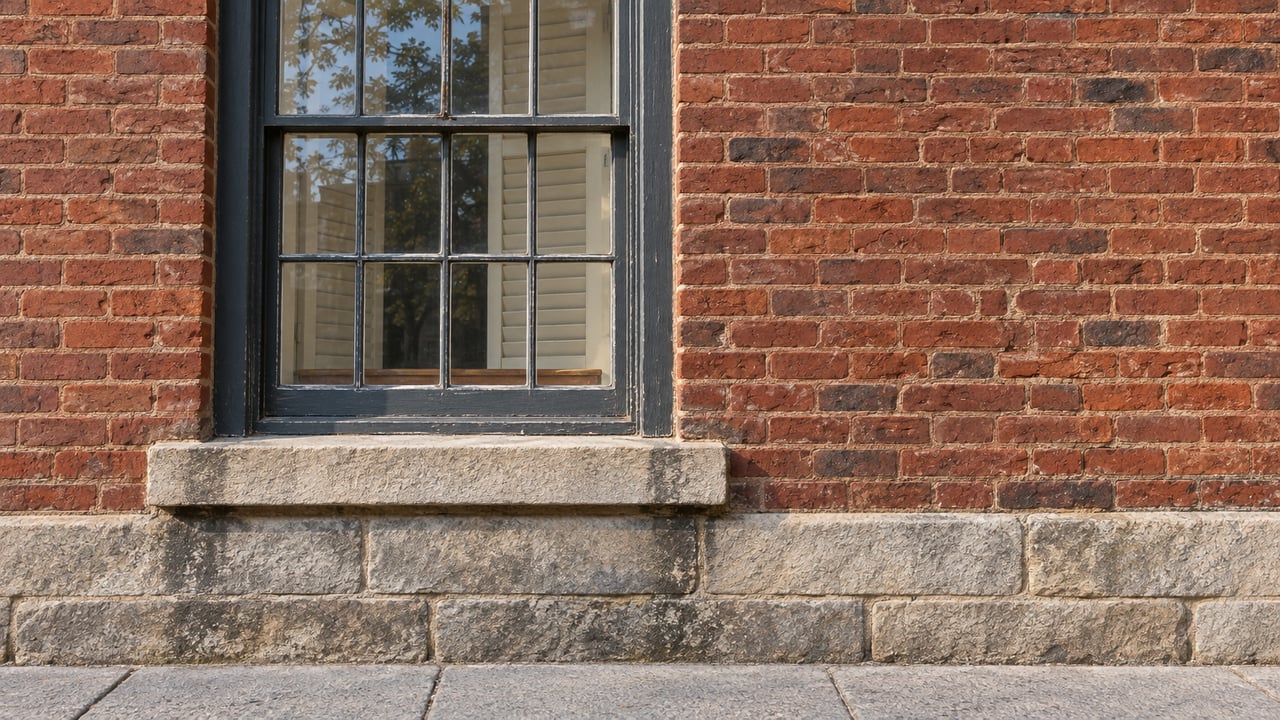
Older attached homes come with a familiar set of watchouts. The City’s Rowhouse Manual highlights foundation cracks, settling, bulges, worn masonry joints, roof leaks, poor drainage, basement seepage, sewer backflow, dampness, mold, and concerns related to radon or carbon monoxide. These are the kinds of issues that can shape a buyer’s confidence fast.
The roof deserves special attention. The city notes that it is often the most vulnerable part of the house, and roof decks need careful waterproofing and permit compliance. If your home has a roof deck, buyers may look closely at both condition and documentation.
Repairs to Prioritize Before Listing
If you are deciding where to spend money before listing, start with repairs that reduce buyer hesitation. In many Graduate Hospital homes, that means focusing first on structural and water-related concerns rather than cosmetic upgrades.
A smart repair priority list often looks like this:
- Roof condition and roof deck waterproofing
- Drainage issues around the home
- Masonry deterioration or visible cracks
- Basement seepage or moisture concerns
- Signs of mold or repeated dampness
- Sewer or backflow concerns
- Safety-related items such as carbon monoxide concerns
These issues matter because they can come up during inspections and affect negotiations. A freshly styled living room will not do much to offset a roof leak or chronic water problem.
Lead Disclosures Matter in Older Homes
If your home was built before 1978, lead should be treated as a routine part of your pre-listing process. The EPA says older homes are more likely to contain lead-based paint, and federal rules require sellers of most pre-1978 homes to disclose any known lead-paint information before the sale.
Philadelphia also has local lead regulations, which adds another reason to get organized early. If you have past lead reports, lead-safe documentation, or records from renovation work, gather them before your listing goes live. If work is needed, use lead-safe practices during prep.
This is not the kind of detail to leave for the last minute. Having the right paperwork ready helps keep your sale moving and gives buyers clearer information upfront.
Pricing in a More Selective Market
One of the biggest mistakes sellers make is pricing off neighborhood reputation instead of actual comp quality. Graduate Hospital remains desirable, but today’s buyers are still looking at condition, finish level, and how your home compares to active alternatives.
With a 99% sale-to-list ratio reported by Realtor.com, the market is not showing huge pricing gaps on average. That tells you accurate pricing matters. If you overshoot and hope buyers will negotiate you back to reality, you may lose momentum you cannot easily get back.
The best pricing strategy is to look closely at homes that truly compete with yours in size, condition, and presentation. A renovated rowhome with strong photography and polished staging is not the same product as a similar-sized home with deferred maintenance or dated finishes.
Staging Still Makes a Difference
Staging is not about making your home look generic. It is about helping buyers understand the space quickly and positively. In a neighborhood where homes may sell in about 25 to 34 days, that first impression still matters.
According to NAR’s 2025 Profile of Home Staging, 29% of agents said staging increased the dollar value offered by 1% to 10%. The same report found that 49% said staging reduced time on market, and 83% of buyers’ agents said staging made it easier for buyers to picture the home as their future residence.
For Graduate Hospital sellers, that can be especially helpful in rowhomes where room sizes, narrow widths, and multi-level layouts may need clear visual storytelling. You want buyers to understand not just the square footage, but how the home lives.
Which Rooms to Stage First
If you are not staging every room, focus on the spaces buyers tend to care about most. NAR found that the living room, primary bedroom, and kitchen were the highest-priority spaces for buyers.
That gives you a practical starting point:
- Living room: Show scale, seating flow, and everyday comfort
- Primary bedroom: Make it feel calm, spacious, and restful
- Kitchen: Emphasize function, light, and usable surface area
In many Philly rowhomes, these are the rooms that help buyers form an opinion fast. If these spaces feel clear, warm, and well-edited, the entire home often benefits.
Simple Prep Often Beats Major Renovation
Sellers sometimes assume they need a full remodel before listing. In many cases, that is not true. NAR’s consumer staging guidance frames staging more as decluttering and styling than remodeling.
That means your highest-return prep work may be surprisingly straightforward. Remove personal items, reduce bulky furniture, use fresh bedding and towels, address paint touchups with neutral colors where needed, improve the entry, and make closets feel more spacious.
In this market, those changes can help your home photograph better and feel more move-in ready. That can matter just as much as larger projects, especially if your main goal is to make the home feel cared for and easy to understand.
A Realistic Timeline to Get Ready
For most Graduate Hospital sellers, a 6 to 8 week prep window is a sensible baseline. If your home needs roof work, masonry repairs, water-management fixes, or lead-related work, 8 to 12 weeks or more is often the safer plan.
That timeline fits the reality of older Philadelphia housing stock and the neighborhood’s current selling pace. It gives you time to handle the issues that could affect inspections, while also making sure the home is visually ready when it hits the market.
A practical prep sequence looks like this:
- Pre-list walkthrough or inspection
- Fix high-risk items first
- Gather lead disclosures and related documentation if needed
- Declutter and depersonalize
- Stage the key rooms
- Photograph and launch
This kind of sequencing helps you avoid spending money in the wrong order. It also supports a smoother listing process once buyers start coming through.
The Bottom Line for Graduate Hospital Sellers
Graduate Hospital remains a strong place to sell, but today’s market rewards thoughtful execution. Buyers are still active, yet they are also selective, and they have options. If you want your home to rise to the top, focus on realistic pricing, visible condition, and clean, compelling presentation.
For many sellers here, the best strategy is not doing everything. It is doing the right things in the right order. Handle the rowhome issues that create red flags, make the most important rooms shine, and launch with a presentation that feels polished and honest.
If you’re thinking about selling in Graduate Hospital and want a plan that matches your home, your timeline, and your goals, Philly Home Collective can help you map out the prep, presentation, and pricing strategy that makes sense.
FAQs
What is the current real estate market like in Graduate Hospital for sellers?
- As of April 2026, Graduate Hospital appears active but balanced, with Realtor.com reporting 131 active listings, a median listing price of $662,000, a median sold price of $679,000, about 25 days on market, and a 99% sale-to-list ratio.
How long does it take to prepare a Graduate Hospital home for sale?
- A 6 to 8 week prep window is a reasonable starting point for many sellers, while homes needing roof, masonry, water-management, or lead-related work may need 8 to 12 weeks or longer.
What repairs matter most before selling a Graduate Hospital rowhome?
- In older Philadelphia rowhomes, sellers should usually prioritize roof issues, drainage, masonry concerns, basement moisture, mold, sewer-related problems, and other visible maintenance items that could trigger inspection concerns.
Do sellers in Graduate Hospital need to think about lead paint?
- Yes. If your home was built before 1978, you should be ready to provide required lead disclosures and gather any available lead reports or lead-safe documentation before listing.
Which rooms should sellers stage first in a Graduate Hospital home?
- The best rooms to stage first are usually the living room, primary bedroom, and kitchen, since these are the spaces buyers tend to focus on most.
Does staging really help homes sell in Graduate Hospital?
- Staging can help buyers picture how the home lives, and NAR’s 2025 data found that it may improve offer value and reduce time on market, which can matter in a neighborhood where buyers are comparing multiple options.