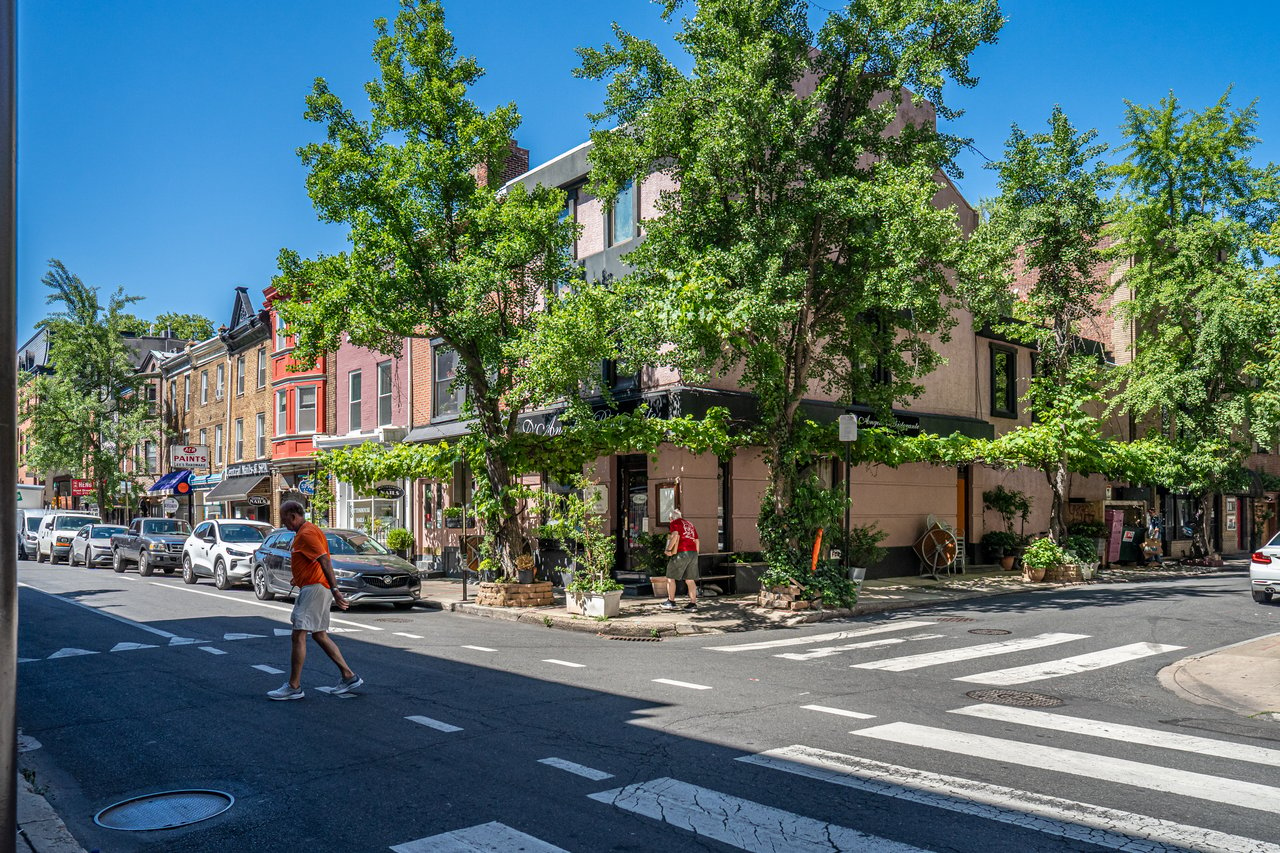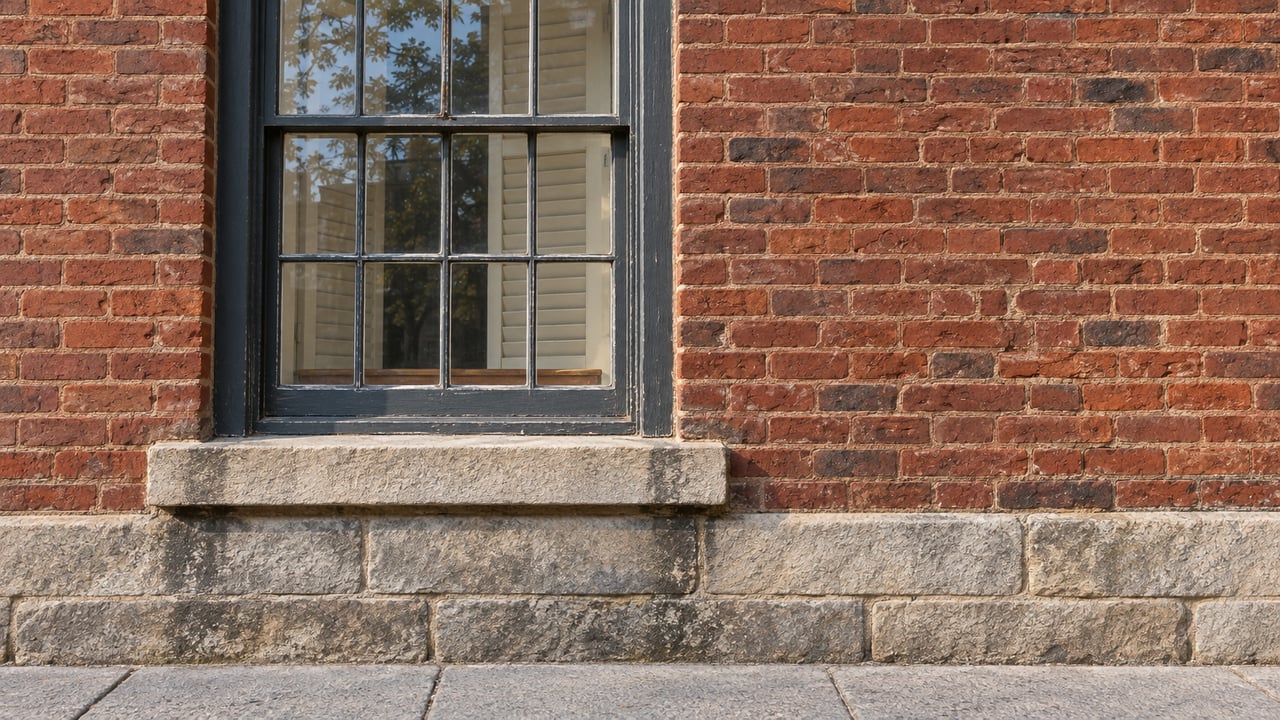
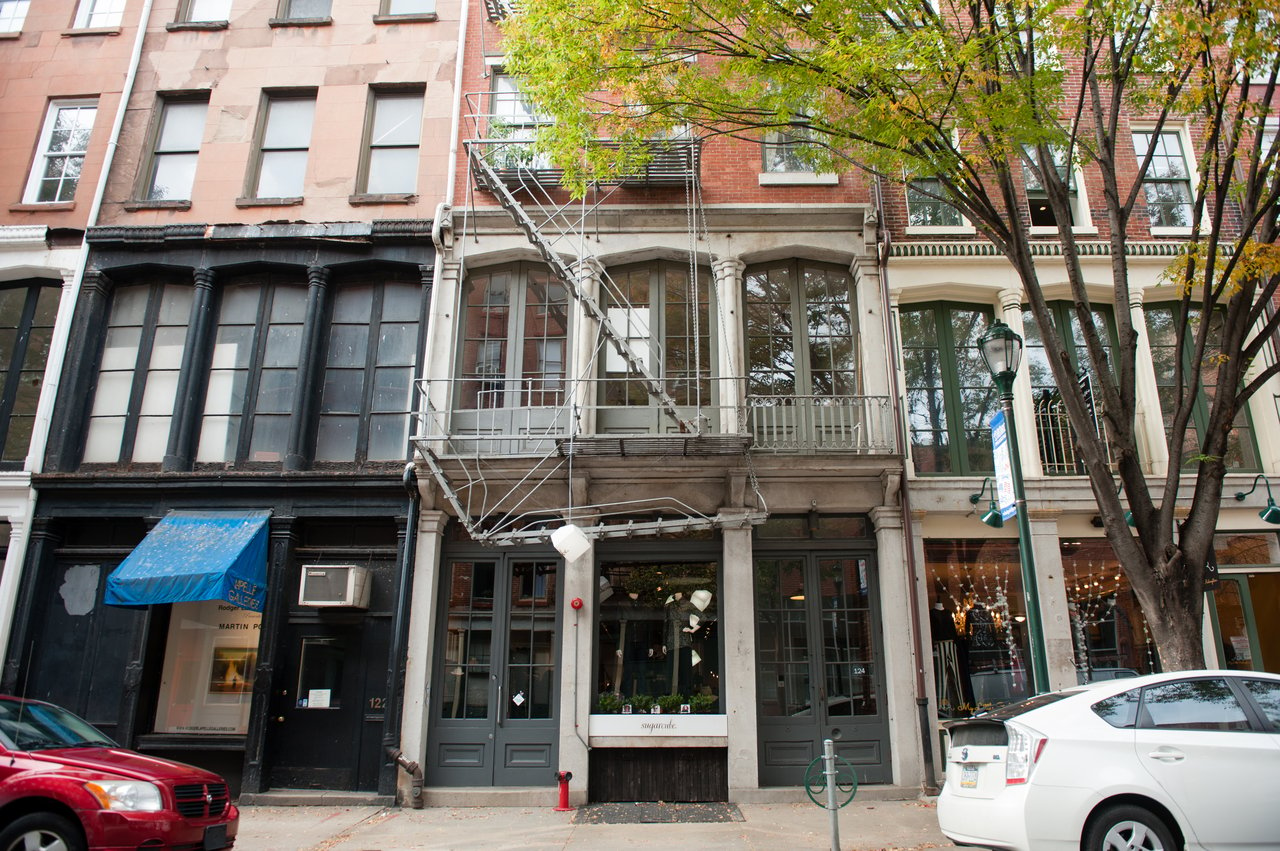
Wondering if an Old City historic home or condo is a dream buy or a paperwork marathon? The truth is, it can be both. If you love character, brick facades, tall windows, and buildings with real Philadelphia texture, Old City offers a mix that is hard to replicate anywhere else in town. This guide will help you understand what you are really buying, what to review before you fall in love, and where to slow down so you can make a smart move. Let’s dive in.
Old City offers more than one housing type
Old City is not just one style of home. The Old City Historic District includes roughly 800 buildings and structures, with a period of significance from 1676 to 1929. Within that fabric, you will find rowhouses, warehouses, churches, financial buildings, and industrial and maritime buildings that help shape the neighborhood today.
That mix matters when you are buying. A preserved rowhouse, a warehouse conversion condo, and a newer infill condo can all sit within the same broader historic setting, but they often come with very different maintenance needs, ownership rules, and renovation limits. In practical terms, you want to know whether you are buying historic character only, or historic character plus historic oversight.
Expect a layered architectural mix
Old City’s architecture spans Georgian, Federal, Greek Revival, Italianate, Second Empire, Neoclassical, and Colonial Revival influences. That means your buying experience may vary a lot from one block or building to the next.
Some properties have obvious period details that remain intact. Others may have updated interiors inside older shells, especially in adaptive-reuse condo buildings. If you are design-minded, this is part of Old City’s appeal, but it is also why due diligence matters so much here.
Historic designation changes what owners can alter
If a property is listed on the Philadelphia Register of Historic Places, certain exterior work typically needs approval from the Philadelphia Historical Commission. That includes construction, alterations, demolition, additions, and other changes to exterior appearance.
Most reviews focus on visible exterior features like facades and roofs. Interior changes are generally not reviewed unless the interior itself has been designated. So if your plan is to refresh a kitchen, update a bath, or rework interior finishes, the answer may be very different from changing windows, doors, or rooflines.
Some maintenance is usually exempt
Not every project triggers review. The city says standard maintenance like scraping and painting wood trim, cleaning gutters, replacing clear window glass, gardening, and landscaping is generally exempt.
That distinction is helpful for buyers. Routine upkeep may be straightforward, while visible changes to exterior materials or features may require a formal review path.
Plan early if you want visible changes
In Old City, common applications often include replacing windows and doors, reroofing, adding security features, building additions, demolition, and new construction. The city encourages owners to contact Historical Commission staff early in the planning process, and reviews can be handled electronically through eCLIPSE or in person. There is no charge for the review itself.
For buyers, the takeaway is simple: do not assume your post-closing wish list is automatically allowed. If you hope to alter visible exterior features, verify the approval path before your plans harden into your budget.
Condo rules can matter as much as city rules
If you are buying a condo in Old City, city preservation rules may be only part of the story. Condo ownership adds another layer of governance through the association’s declaration, bylaws, and house rules.
In Pennsylvania, a condo association has authority over the use, maintenance, repair, replacement, and modification of common elements. In some buildings, items that feel personal to your unit can still be treated as limited common elements, including exterior doors and windows, stoops, balconies, patios, and awnings.
Why that matters in conversion buildings
In a historic conversion, you may assume a window belongs fully to your unit because only you use it. Legally, that may not be the case. If a feature is classified as a common or limited common element, the association may control what can be changed, how work is handled, and who pays.
This is one of the biggest points of confusion for buyers in older condo buildings. Before you make renovation assumptions, confirm where the unit boundaries actually are and which exterior features fall under association control.
Budget beyond the mortgage payment
Condo buyers should also budget for association dues separately from the mortgage payment. Those dues are usually paid directly to the association.
Insurance is another item to clarify early. Condo buildings often carry master insurance for common areas, while unit owners may still need separate insurance for the unit itself. That split is worth understanding before you compare monthly ownership costs.
Review condo documents with extra care
Older condo buildings and adaptive-reuse projects often reward careful document review. Beyond the floor plan and finishes, you want a clear picture of the building’s financial health and upcoming repair needs.
At a minimum, buyers should review the declaration, bylaws, budget, reserve study, insurance coverage, recent meeting minutes, special assessments, rental rules, and any planned capital work. These documents can tell you whether the building is planning ahead or reacting late.
Reserve studies help show future risk
A reserve study is a budget-planning tool for future major common-area expenses. In plain language, it helps show whether the association is preparing for big-ticket items like roofs, elevators, building systems, or exterior repairs.
If reserves are thin and major work is looming, your true cost of ownership may be higher than the list price suggests. That does not automatically make a condo a bad purchase, but it does mean you should go in with open eyes.
Conversion condos require more disclosure
Pennsylvania law requires a public offering statement for conversion properties that includes an independent architect or engineer report. That report must describe the age and present condition of structural, mechanical, and electrical systems, including roofs, plumbing, heating, air conditioning, and elevators.
It must also address expected useful life, replacement costs, known building-code violations, pest conditions, and inspection results for visible structural or mechanical defects and other visible health-and-safety conditions. For buyers, that report can be one of the most valuable documents in the file.
Inspections in Old City should go beyond cosmetics
Character is easy to see. Deferred maintenance is not. In older Old City buildings, inspections should focus on how the building handles water, how original materials have aged, and whether key systems have been upgraded thoughtfully.
A fresh kitchen or exposed brick wall can be appealing, but neither tells you much about the roof, masonry, basement moisture, or aging mechanicals. In historic properties especially, the expensive issues are often the ones hidden behind good staging.
Moisture is a top concern
According to National Park Service guidance, historic buildings are often drafty and vulnerable to water intrusion through deteriorated roofs, cracks in walls, and open joints around windows and doors. Saturated basement or foundation walls can also damage masonry and nearby wood elements.
That makes certain areas especially important during inspections:
- Roofs and flashing
- Masonry walls and joints
- Basements and foundations
- Window and door openings
- Areas with signs of past patching or staining
If water management has been neglected, repair costs can add up quickly in older masonry buildings.
Windows deserve a close look
Historic windows are among the most vulnerable features in older buildings. Their condition affects comfort, maintenance, energy performance, and, in some cases, historic compliance.
National Park Service materials note that repair or thermal upgrading is often preferable to replacement that changes original sash profiles, reveals, muntins, or other character-defining details. For buyers, that means a window issue is not always solved by a simple swap.
Check systems behind the finishes
Older buildings often hide costly deferred maintenance behind updated interiors. Buyers should confirm the age, condition, and code status of HVAC, electrical, and plumbing systems.
Preservation standards support careful, limited upgrades to mechanical, electrical, and plumbing systems, but that does not guarantee every prior update was done well. Ask direct questions and make sure your inspection strategy matches the building’s age and type.
Older materials can affect renovation plans
If you are buying an older home or condo in Old City, renovation planning should include health and material concerns too. Homes built before 1978 are more likely to contain lead-based paint, and EPA says homes built before 1940 are especially likely to have some lead-based paint present.
Lead-safe work practices are required when renovation disturbs painted surfaces in pre-1978 homes. EPA also recommends testing suspect asbestos-containing materials if they are damaged or if a renovation would disturb them.
Why this matters to buyers
These issues do not mean you should avoid older properties. They do mean your renovation timeline, contractor selection, and budget may need more structure than they would in a newer building.
If your purchase only makes sense with quick cosmetic updates, pause and make sure the scope is truly cosmetic. In Old City, simple-looking work can become more technical once older materials and building rules are involved.
A smart Old City buying process
The best Old City purchases usually come from patience, documentation, and realistic expectations. You do not need to be scared of historic homes or conversion condos, but you do want a process that respects how these properties actually work.
A few steps can make a big difference.
Key questions to answer early
Before you move too far forward, try to confirm:
- Is the property individually designated or located within a historic district?
- Which exterior changes would require Philadelphia Historical Commission review?
- In a condo, which features are part of the unit, common elements, or limited common elements?
- What do the association’s budget, reserves, insurance, and meeting minutes say about building health?
- Are there upcoming capital projects or special assessments?
- For a conversion condo, what does the architect or engineer report say about major systems and expected useful life?
These questions can help you compare options with more clarity and fewer surprises.
Why Old City can still be worth it
For many buyers, Old City delivers a version of Philadelphia that feels textured, walkable, and deeply rooted in the city’s built history. The appeal is real, and so is the variation from one property to the next.
If you love historic details, adaptive-reuse spaces, and homes with personality, Old City can absolutely be a smart place to buy. You just want to match that excitement with careful review, the right inspections, and a clear understanding of what you can change after closing.
When you are ready to sort through the nuance of a historic rowhouse, loft conversion, or condo with character, working with a neighborhood-focused team can make the process feel much more manageable. If you want help finding the right fit in Old City, connect with Philly Home Collective.
FAQs
What does historic designation mean for an Old City home?
- If an Old City property is on the Philadelphia Register of Historic Places, many exterior changes such as alterations, additions, demolition, and visible appearance changes typically require approval from the Philadelphia Historical Commission.
What should you review before buying an Old City condo?
- Before buying an Old City condo, review the declaration, bylaws, budget, reserve study, insurance coverage, meeting minutes, special assessments, rental rules, and any planned capital projects.
Why are condo windows and doors important in Old City buildings?
- In some Pennsylvania condos, exterior doors, windows, balconies, stoops, patios, and similar features may be common or limited common elements, which means the association may control changes, repairs, or replacement.
What inspection issues matter most in an Old City historic property?
- In an Old City historic property, pay close attention to moisture intrusion, roofs, flashing, masonry joints, basements, windows, and the age and condition of HVAC, plumbing, and electrical systems.
What should buyers know about Old City conversion condos?
- Pennsylvania law requires conversion condos to provide a public offering statement with an independent architect or engineer report covering major systems, useful life, replacement costs, known code violations, pest conditions, and visible defects.
Can you renovate an older Old City home right after closing?
- Possibly, but you should first confirm whether the property has historic restrictions, whether your planned work affects regulated exterior features, and whether older materials like lead-based paint or asbestos could affect the scope and timing of renovations.